Joining the dots for a connected Yorkshire
23.07.25 3 min read

The recent West Yorkshire Development Update, hosted by Place Yorkshire, brought together leaders from across the public and private sectors to explore how we can unlock the region’s full potential.
As a lead sponsor, we were proud to support the event and contribute to the conversation about how infrastructure, housing, skills, and placemaking can work in harmony to drive growth that benefits all our communities.
The day was rich with insight, but what stood out most was the shared ambition and the recognition that regeneration is no longer about isolated interventions. It’s about joining the dots between infrastructure, housing, transport and placemaking to create communities that are ready for the future.
Connecting infrastructure, housing, and opportunity
Liz Hunter from the West Yorkshire Combined Authority opened the event with a clear-eyed view of the region’s challenges: a £9.7 billion productivity gap, a need for 2,500 additional homes per year, and a skills gap, with 15% of residents lacking the qualifications needed to access employment opportunities. But she also outlined a bold vision – one that places infrastructure, education, and housing at the heart of economic renewal.
This was echoed by Leeds City Council’s Adam Brannen and Lee Arnell, who showcased the city’s £4 billion development pipeline and its focus on transformational regeneration in six key neighbourhoods. From the British Library at Temple Works to the Royal Armouries expansion, Leeds is demonstrating how cultural, residential, and commercial growth can be aligned to deliver long-term impact.
Wakefield Council’s Clare Elliott shared how the city is embracing a similar approach, with mixed-use developments like Tileyard North and Wakefield Exchange, and a focus on attracting younger residents through affordable, well-connected housing. The city’s regeneration strategy also extends to Castleford, where £20 million has been allocated to create new riverside spaces and public realm.
Purposeful placemaking
I had the opportunity to share updates on three of our most significant projects in the region – each one demonstrating how regeneration can deliver real impact when rooted in place and purpose.
In Bradford, City Village will transform three key city centre sites into a vibrant new neighbourhood, with up to 1,000 homes planned. The project, backed by £30 million in funding from Homes England, has already seen 97 townhouses pre-sold to InCommunities for affordable rent and shared ownership, helping to meet local housing needs and bring new life to the city centre.
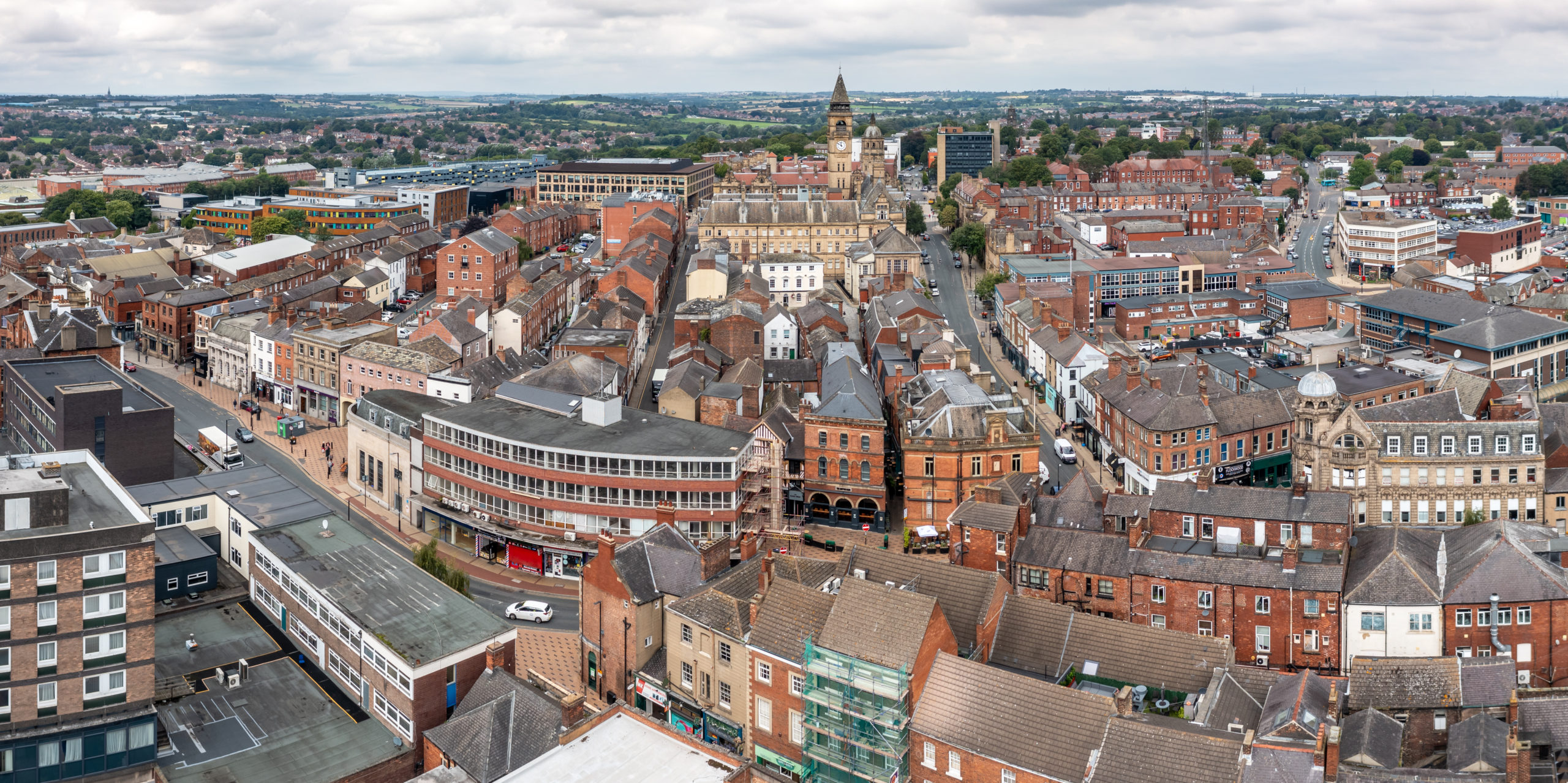
In Wakefield, our role as Strategic Regeneration Partner enables us to work closely with the council to deliver over 2,500 new homes, commercial space, and new public realm. This early-stage collaboration is unlocking funding and shaping a masterplan that supports economic growth and community wellbeing.
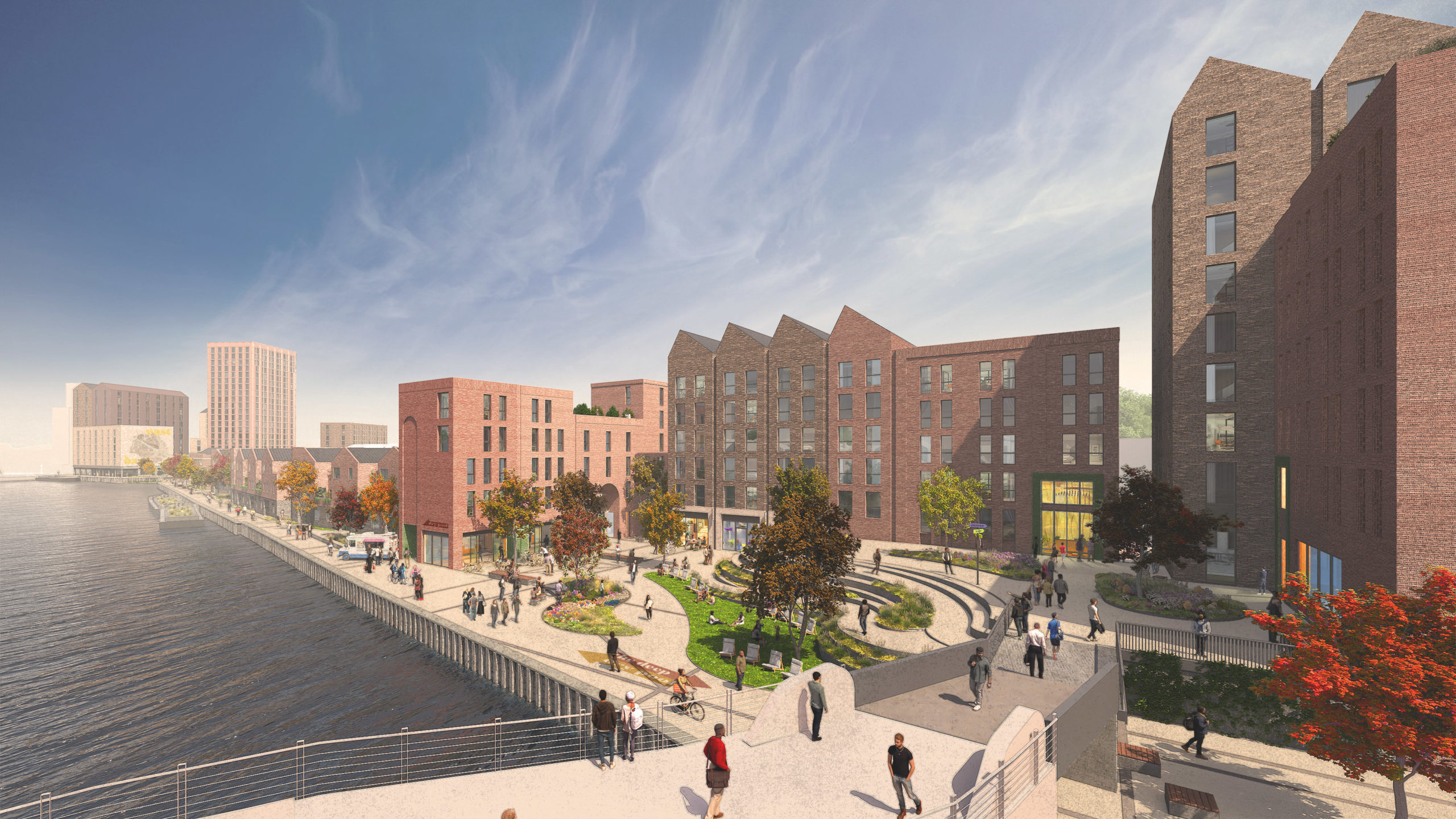
Meanwhile, in Hull, our East Bank Urban Village project will deliver up to 850 homes on a key waterfront site, supported by nearly £10 million in Levelling Up Partnership funding. The scheme will include commercial uses, green spaces, and restored heritage buildings, enhancing the city’s cultural offer and creating a thriving new neighbourhood. These projects reflect our belief that placemaking is not just about design, but about creating places that are inclusive, connected, and built to last.
I also joined a panel discussion alongside representatives from Leeds and Wakefield councils and Simpson Haugh, where the conversation turned to the language of regeneration. We discussed how “placemake” should be used as a verb – signifying it as an intentional, active process that goes beyond design to encompass community, culture, and long-term stewardship.
It’s a subtle shift in language, but one that reflects the fact that regeneration isn’t just about what we build, but how we build it and who we build it for.

Collaboration is the catalyst
Across all sessions, one message was clear: collaboration between public and private sectors is essential. Whether it’s coordinating funding, aligning planning frameworks, or engaging local communities, regeneration succeeds when everyone is pulling in the same direction.
The event also raised important questions about timing and sequencing. With major transport schemes like mass transit and bus franchising on the horizon, how do we ensure that housing and commercial development keep pace? How do we avoid a “chicken and egg” scenario where infrastructure leads but place doesn’t follow?
The answer lies in joined-up thinking, and in partnerships rooted in shared ambition.
Final thoughts
For us at Muse, the event was a reminder of why we do what we do. We specialise in complex regeneration projects that require long-term vision and collaboration. The conversations at this event have inspired us to think even more boldly about how we placemake across Yorkshire and the North East.
We’re excited to continue working with our partners to deliver schemes that not only respond to today’s challenges but anticipate tomorrow’s opportunities. Because when we join the dots – between transport and housing, between public and private, between vision and delivery – we create places that work for everyone.