Planning permission secured for £640m Slough regeneration
29.10.26 3 min read
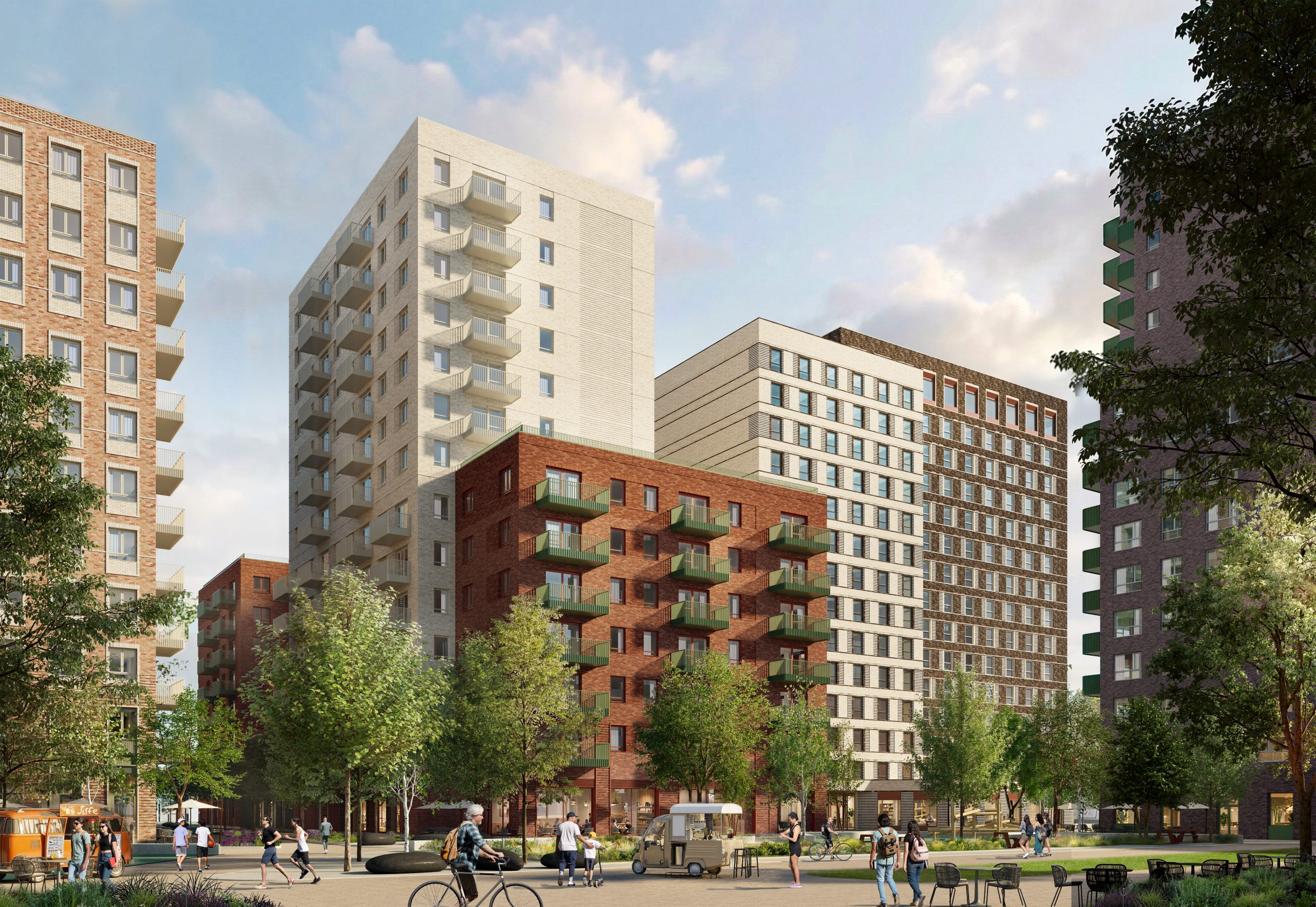
Major milestone for the regeneration of the former Thames Valley University site
Muse and Homes England have secured a resolution from Slough Borough Council’s Planning Committee to grant planning permission for North West Quadrant (NWQ), a major £640m regeneration project that will transform the former Thames Valley University site in the heart of Slough town centre.
The resolution marks a major milestone for the 3.6-hectare site, paving the way for the creation of a new mixed-use neighbourhood that will support the wider regeneration of Slough town centre.
The proposals include:
-1,539 new homes
-A landmark office building of 25,030 sqm
-3,220 sqm of retail space
-A 100-child nursery of 450 sqm
-A major new community events space
-A new central park and series of new public green and play spaces
-Improved walking and cycling connections throughout
-420 parking spaces
The resolution is the next step to securing the future regeneration of this prominent town centre site, sat adjacent to the railway station, which has remained vacant since the former Thames Valley University campus closed.
Muse has a longstanding involvement in Slough, having delivered a number of regeneration projects across the town through its joint venture with Slough Borough Council, including the Curve, Slough Ice Arena, the Centre, the Moxy Hotel and over 500 new homes over the past 13 years.
Hollie Carlile, Senior Project Manager at Muse, said:
“Muse and Homes England have worked closely with the local community and stakeholders as the proposals have developed, and we are grateful to everyone who has taken the time to engage with us and share their views.”
“We look forward to continuing that conversation as we move towards the next stage of the project.”
Charlotte O’Mahony, Project Director at Homes England said:
“The scheme will deliver much-needed new homes alongside workspace, shops and high-quality public spaces, demonstrating Homes England’s commitment to working collaboratively with partners to unlock regeneration, support economic growth and create sustainable and thriving communities.”
The plans follow an extensive programme of consultation and engagement with local residents, businesses and stakeholders. Ahead of the planning application, the project team held Community Conversation events, with further pop-up engagement taking place after the application was submitted to gather views on proposed ground-floor and meanwhile uses. The post-submission events invited local people to share their ideas for shops, community uses and cafés, as well as how parts of the site could be used before development is completed.