HOUSING 2026: From policy ambition to deliverable product: how partnerships can redefine success
30.06.26 4 min read
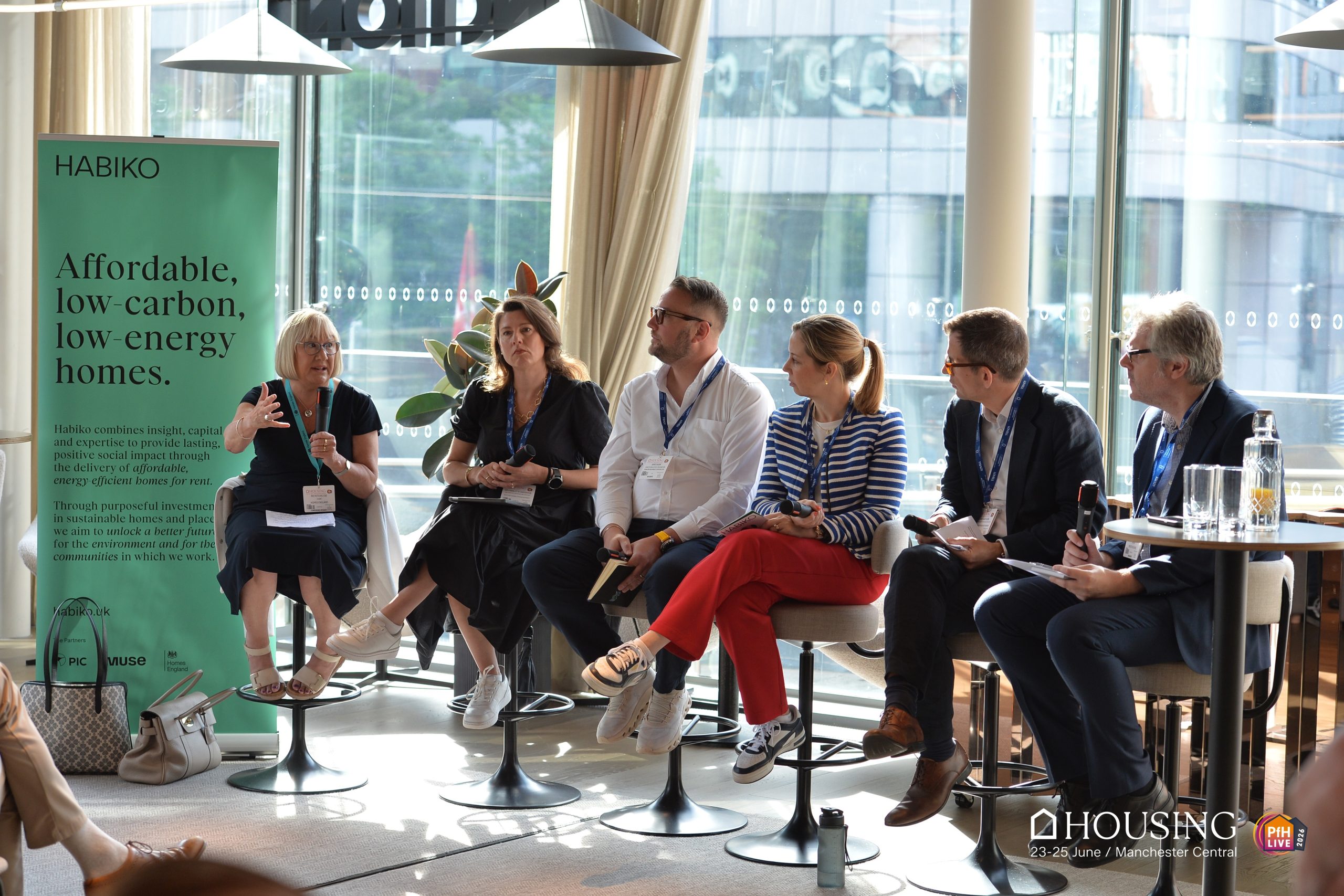
At Housing 2026, we brought together a panel of experts from across the public and private sectors for a discussion focused on the role of partnerships in creating investable housing delivery.
The panel brought together (left to right):
Pat Ritchie, Chair of Homes England
Dr Charlotte Carpenter, Executive Director of Skills, Inclusion and Public Service Reform at North East Mayoral Strategic Authority
James Agar, Head of Real Estate Origination at Pension Insurance Corporation (PIC)
Lisa Gledhill, MD of National Partnerships at Muse
Dan Hawthorn, Executive Director for Homes & Communities at Camden Council
Chair: Martin Hilditch, Editor at Inside Housing
It’s easy to understand why partnership working has become a mantra for the affordable housing sector. Faced with mounting delivery targets, constrained viability and complex local needs, no single public or private sector organisation can meet the challenge in isolation. Public-private partnerships are central to making this work.
But for the panellists, the success of partnership models hinges on getting the fundamentals right. As Lisa put it:
A shared purpose is an essential building block, but so is a shared language that allows public and private partners to navigate complexity, risk and opportunity with clarity.

Lisa Gledhill, MD of National Partnerships at Muse
The shift needs to be more deliberate and built in from the outset. Not, as Dan challenged, “a plan B for councils who can’t deliver on their own”.
Charlotte defined the combined authority’s role as integral for broadening the lens of what defines successful delivery. Housing numbers still matter, but these approaches can also unlock wider infrastructure, social value, jobs and apprenticeships, supporting local supply chains, and increasing the economic growth of a local area through delivering inclusive, resilient places.
Pat highlighted that challenges around capacity, skills and supply chains don’t sit outside the partnership model – they can be alleviated by it, if governance is strong and roles are clear enough to give confidence to both investors and local authorities.
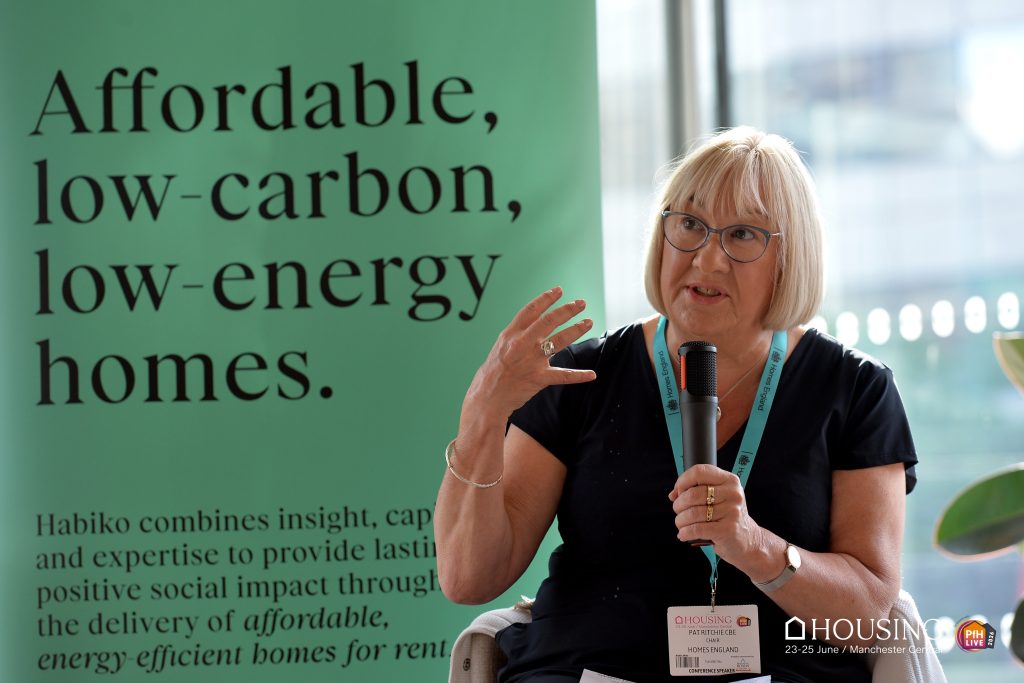
Pat Ritchie, Chair of Homes England
Delivering against these ambitions requires a level of alignment that the sector is still grappling with. As local authorities engage more deeply with institutional capital, and investors look to deploy long-term funding into affordable housing, there’s a growing need to bridge different ways of thinking about risk, return and value.
“There’s no shortage of capital,” James noted:
Financial models need to reflect the realities of long-term stewardship, while also offering a compelling risk-adjusted return.
The panel agreed that partnerships work best when risk is genuinely shared, but this depends on all parties being both willing and able to do so. Dan noted that many local authorities still operate within models shaped by past delivery approaches, making change difficult. This can fuel scepticism about adapting delivery models and concern over loss of control or private capital extracting value without sufficient public benefit. Yet the greater risk lies in failing to deliver the homes and communities needed.

Dr Charlotte Carpenter, Executive Director of Skills, Inclusion and Public Service Reform at North East Mayoral Strategic Authority, James Agar, Head of Real Estate Origination at Pension Insurance Corporation (PIC), Lisa Gledhill, MD of National Partnerships at Muse
The answer is a more mature, transparent approach to structuring partnerships that recognises different risk appetites, builds in safeguards, and plans not just for success, but for what happens if things don’t go to plan by creating the space for honest, ongoing dialogue.
When the focus shifts to managing assets over decades rather than completing projects in years, the definition of value changes. According to Dan, it also reinforces a simple but often overlooked truth: affordable housing does not have to be a drag on development viability, it can be a driver of it, if structured in the right way.
This brings us back to where we started. Partnerships are critical to bridging the gap between policy, ambition and delivery, but they are not easy. Get it right, and they become the engine of delivery. Get it wrong, and they add friction to a system already under pressure.
The ‘holy grail’, concluded Lisa, is to: