IWD 2026: Allyship in action: Why the small acts matter most
09.03.26 3 min read

In recognition of International Women’s Day, and as part of a celebration of this year’s global theme “Give to Gain”, we brought together colleagues from across Muse to reflect on the women who have shaped their careers, and the role that mentorship and support plays in helping people grow.
In the second of our conversations, Development Director, Isabelle Asante, and Development Manager, Marcus Harrington, share reflections on the women who have influenced their lives, and the role that individuals and employers can play in shaping a positive and empowering workplace environment.
Breaking down barriers
For Marcus, a woman who had a significant impact on his life was his Scout Leader. A ‘powerhouse’ who led by example week in, week out, sacrificing her weekends for the group, and teaching them the true value of support.
“Many camps and activities seemed financially impossible, especially when the chance to go to the World Scout Jamboree in Japan came up. She didn’t just give me words of encouragement, but she sat down and helped me fundraise, putting the practical steps in place so I wouldn’t miss out on a life-changing trip.
It is a lesson which he carries with him at Muse.
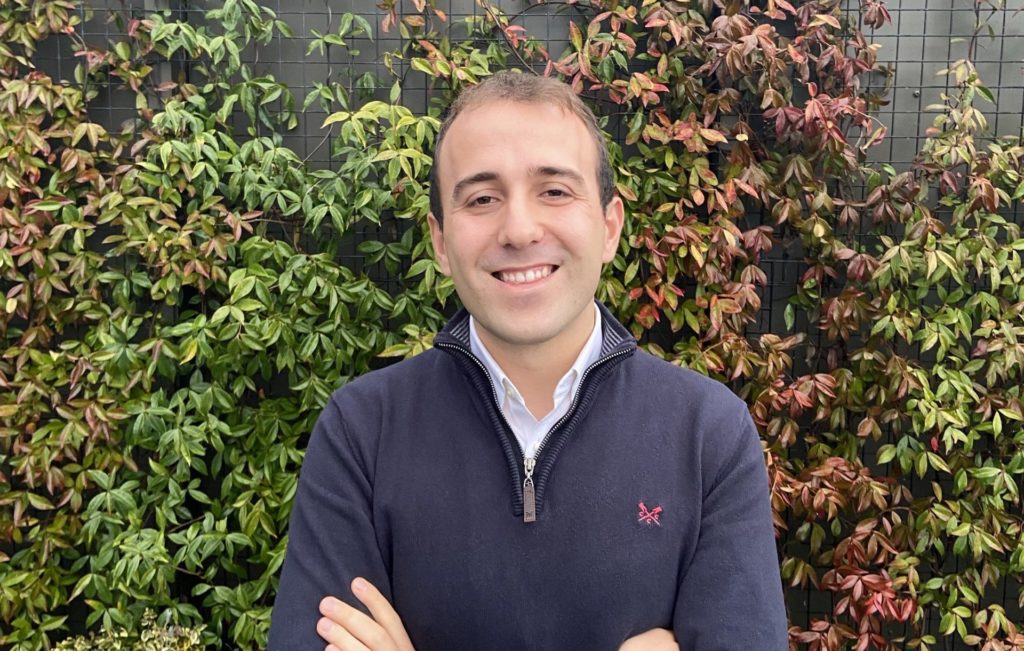
Marcus Harrington
Leaning and learning from others
For Issy, the importance of having other women to lean and learn from has been pivotal – in both her personal and professional life.
“During my second pregnancy I was trying to juggle work, family life and the chaos of having a toddler already at home so decided to try a pregnancy yoga class.
“I met two women who I clicked with straight away, and even though we were all in different industries, our lives felt very similar. There was something reassuring about us all being in the same life stage.
“That support has carried on well beyond those early months, and they’ve continued to be the people who encourage me to keep growing in my career while also acknowledging how messy and demanding family life can be.
“For me, this has been a reminder of how important it is to surround yourself with supportive and understanding people, who always ask the right questions whilst reminding you ‘yes you can’.”
This is encapsulated by Muse’s approach as an employer, operating with a flat hierarchy structure, providing mentorship, and creating supportive networks within the business which enable people to thrive and succeed in their careers.
Everyday actions that make a difference
Both Marcus and Issy note that creating supportive workplaces often comes down to small everyday behaviours.
For Marcus, being a supportive colleague is largely about awareness.
He also highlights how subtle actions can help shift attention to the right voices in a room.
“One thing I’ve become very mindful of is how often the handshake or the eye contact defaults to the men in the room,” he explains. “To counter that, I’ll introduce my female colleagues first or turn the conversation toward them if they’re the expert”.
While these actions may seem small, Marcus believes they help create a culture where people feel valued.
“It’s about breaking those old-fashioned loops that can lead to the most qualified person in the room being sidelined.”
Issy agrees that everyday behaviours play a significant role.
“In my experience small actions make the biggest difference day to day,” she says.
“Giving someone the space to finish their point in a meeting or making sure credit goes to the person who first raised an idea can completely change how confident and valued someone feels.”
Give to Gain
Issy also stressed that supporting women in the workplace needs to be championed at every level, and early into career development.
“The more you invest in the people around you, the more they thrive, and the more the whole team benefits.
As a business Muse takes its responsibility to improve accessibility to the sector, upskill, and develop young women seriously – with the Muse Academy, placements, and network partnerships integral to this.
It’s an approach which is being strengthened further nationally by the government’s skills strategy. The Spending Review provided an additional £1.2 billion per year for the overall skills system by 2028/29, which includes funding to support over 1.3 million 16–19-year-olds access quality training, including in construction.
Recognising different stages of life
Supporting people through different stages of life is a key part of building inclusive workplaces.
For Issy, returning to work after having a baby can be a particularly challenging moment.
“Understanding from your team or manager can make a huge difference,” she says. “Flexibility, clear communication and being able to be honest about what you need helps people feel they can still progress.”
Marcus believes normalising these conversations is essential.
“When workplaces openly support different life stages, it sends a message that we recognise everyone has lives outside the office,” he says.
Encouraging men to take parental leave or work flexibly is also an important part of creating balance.
“It helps remove the idea that flexibility is something only women need”.
As the industry works to deliver the homes and regeneration the country needs, encouraging more women into careers across the built environment is essential. The Ministry of Housing, Communities and Local Government has recently highlighted this in its focus on construction skills.