Public leadership is essential to long-term regeneration
24.09.26 5 min read
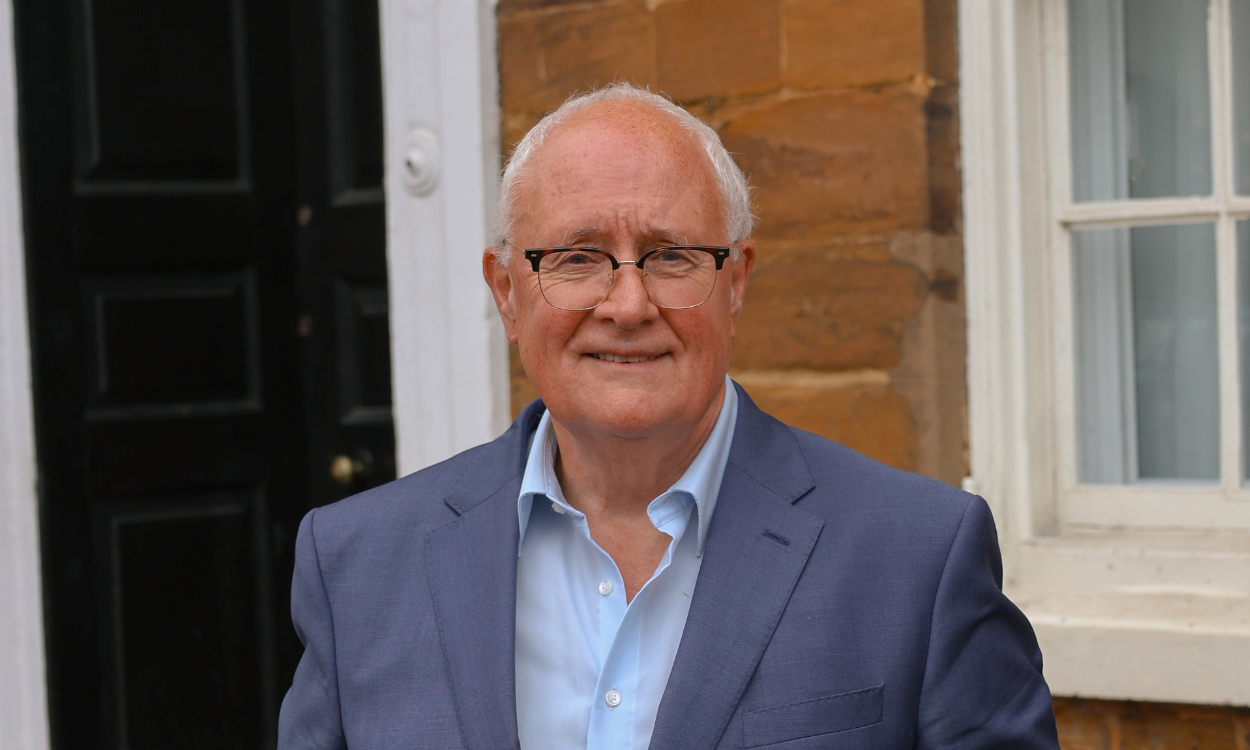
Sir Michael Lyons is Chairman of ECF, a placemaking partnership bringing together the skills and experience of Homes England’s National Housing Bank, L&G and Muse.
Land, funding and planning powers are all important to regeneration, but they cannot secure lasting change on their own.
That also requires strong public leadership to set a clear direction, provide legitimacy for intervention and maintain momentum over the many years a major programme takes to deliver.
Regeneration cannot simply be imposed on a place. Local authorities bring knowledge of their places and an essential relationship with the community. You dismiss those things at your peril.
I understood this long before I became Chair of ECF during my time at West Midlands County Council, where I helped to build the economic development unit.
That experience carried with me into the 17 years I spent as a chief executive across three local authorities in Wolverhampton, Nottinghamshire and latterly Birmingham.
Those experiences showed me that local government’s role in regeneration extends far beyond traditional powers.
That principle was central to the creation of ECF nearly 25 years ago. It was designed to work with local authorities, finding partners with a clear vision for their communities rather than imposing solutions from the centre.

Timekeepers Square, Salford
Leadership grounded in place
ECF has made the greatest progress where there has been strong local leadership and a clear understanding of how individual developments fit into the future of the wider place.
New homes, public spaces and commercial buildings must form part of a coherent vision for the town or city.
Stevenage, where we are partnered with Stevenage Borough Council on the £1 billion Stevenage Gateway, is a good example. Its proximity to London creates considerable opportunity, but also tensions. Some residents will inevitably ask whether growth is intended for their benefit or primarily for people who will work in London and commute back.
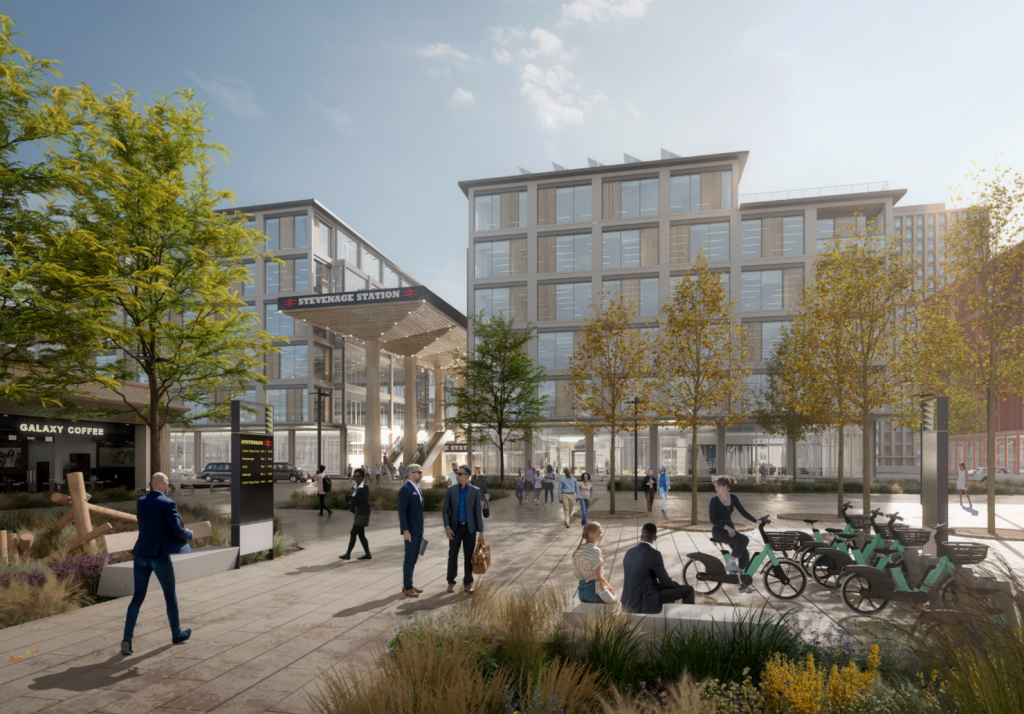
Station Gateway, Stevenage
Those concerns must be acknowledged and worked through, with the support of local leaders who understand their communities.
However, leadership does not always take the form of the person most visibly out in front. In Salford, our more than 20-year programme of investment and placeshaping has benefited from consistent strong leadership from mayors and council leaders.
By equally important have been many other quiet contributions, which have been crucial to maintaining relationships and momentum through periods of political and structural change.
This leadership was often quieter, maintaining relationships and momentum through periods of political and structural change.
Progress often depends on somebody providing a consistent voice and maintaining direction as circumstances and personalities change.
Different strengths and acknowledging tensions
The roles of the public and private sectors aren’t always divided neatly. Much depends on the skills and experience of the people involved.
By and large, the public sector should provide the long-term view, legitimacy for intervention and the stewardship required between phases of development.
It must also support elements such as public space that a place needs but which may not produce a direct financial return.
Private-sector partners, meanwhile, bring specialist skills, clarity and momentum. Local authorities are dealing simultaneously with social care, housing, environmental pressures and many other responsibilities. Their partners can maintain a clear focus on delivery and how each phase contributes to the wider programme.
They should also bring discipline to investment, as sensible phasing allows capital to be recycled and the programme to respond to changing market conditions.
Those strengths are complementary, but successful partnerships recognise that public and private partners do not have identical objectives.
An investor entering a regeneration partnership cannot look only at its rate of return without recognising that its public partners are seeking wider economic, social and environmental outcomes. Equally, institutional investors have a duty to generate sustainable returns for the people whose savings they steward or manage.
The starting point is to recognise those tensions, discuss them early and accept that compromises will be needed.
Newham in London, where we have delivered Manor Road Quarter, provides another example of genuine risk and reward sharing. By foregoing the immediate sale of land, the council reduced the upfront cost of getting development moving and retained a share in the value of the completed buildings.
It ultimately received around four times what it might otherwise have secured.
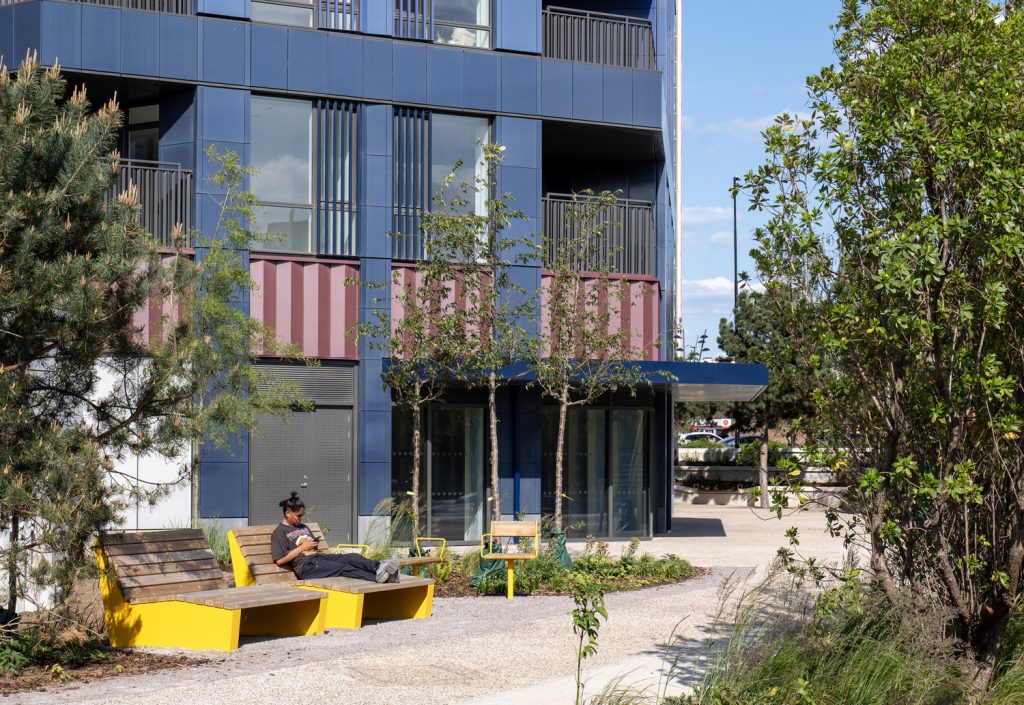
Manor Road Quarter, Canning Town
Investment and accountability
Strong public leadership can require considerable political courage. In St Helens, the decision to fundamentally redevelop the town centre involved the expenditure of political capital.
The council spoke directly to residents about the proposals. The next step was to match the promises made with a clear programme of activity, which is a fundamental part of accountability.
When ECF was established, one of its explicit purposes was to encourage greater institutional investment in regeneration and it has unequivocally done that.
Government must help create the conditions in which investment of this type can be made and appropriately rewarded.
There must also be a prospect of a return on public investment, even if it emerges over a very long period. It is not enough to put public subsidy into an asset that will be privately owned without securing lasting public benefit.
Ultimately, stewardship means maintaining direction and ensuring that the value created serves the place over the long term.
Neither the public nor the private sector can deliver it alone and the strongest partnerships recognise what each brings, acknowledge where interests differ and remain focused on the long-term interests of the place.