How our T-level placement at Muse opened our eyes to placemaking
25.06.26 3 min read
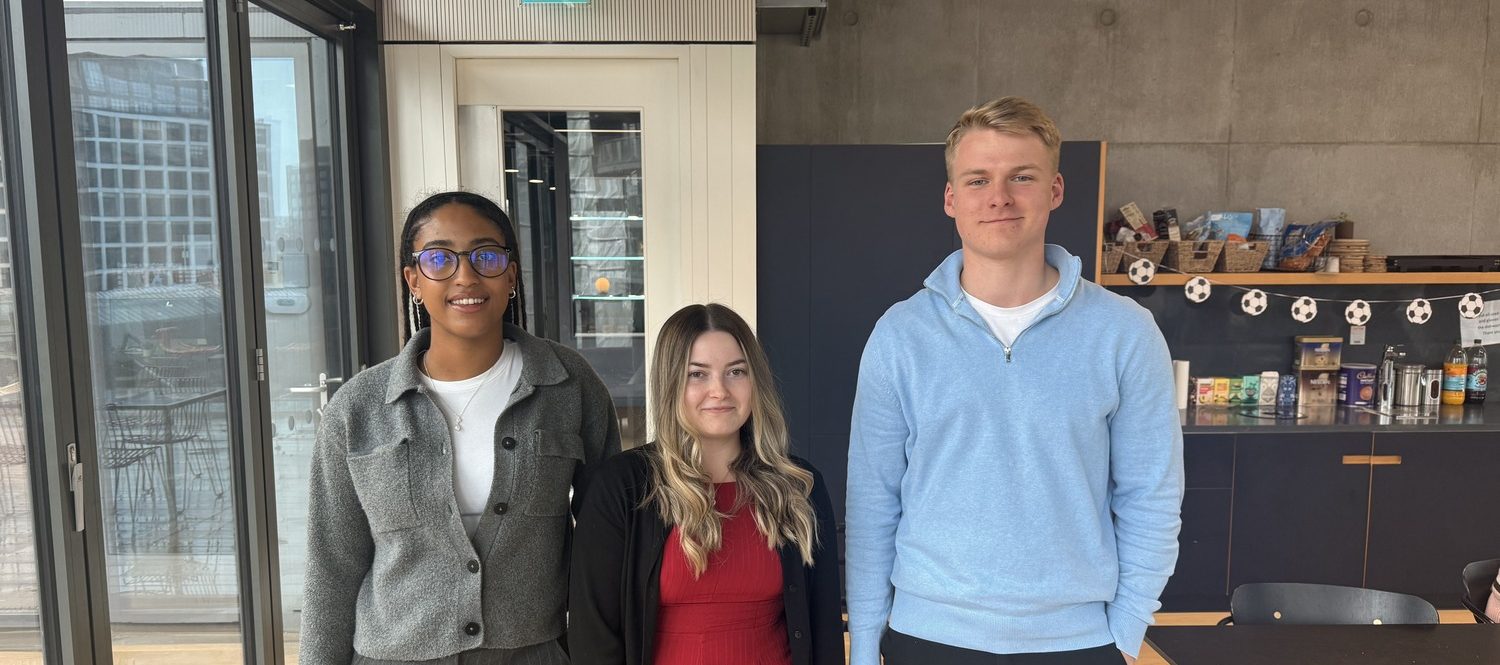
In October 2023, Muse announced a grassroots partnership with Oldham College to provide T-Level students with a wide range of experiences and career paths within the regeneration sector.
The first of its kind, the partnership provides students studying Design, Surveying and Planning the opportunity to work with Muse and other partner organisations in the built environment.
Following the success of the programme so far, which has already seen Jadon Dooley join Muse as a Trainee Project Manager after completing his T-Level placement, Katie Riley, Riley Mallory and Mabel Almonte have reflected on their time with the business and what the experience has taught them about regeneration.
When we first joined Muse, we all knew we were interested in the built environment, but what regeneration actually involved was something we were still learning about.
Over the last few months, we have been able to experience it first-hand.
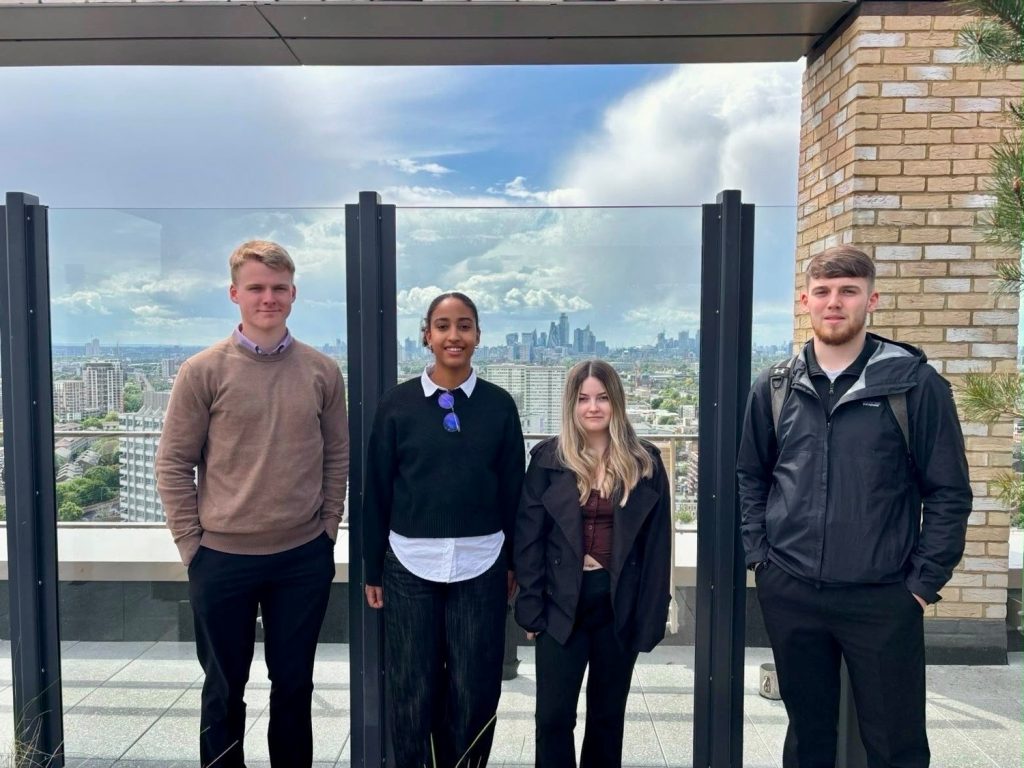
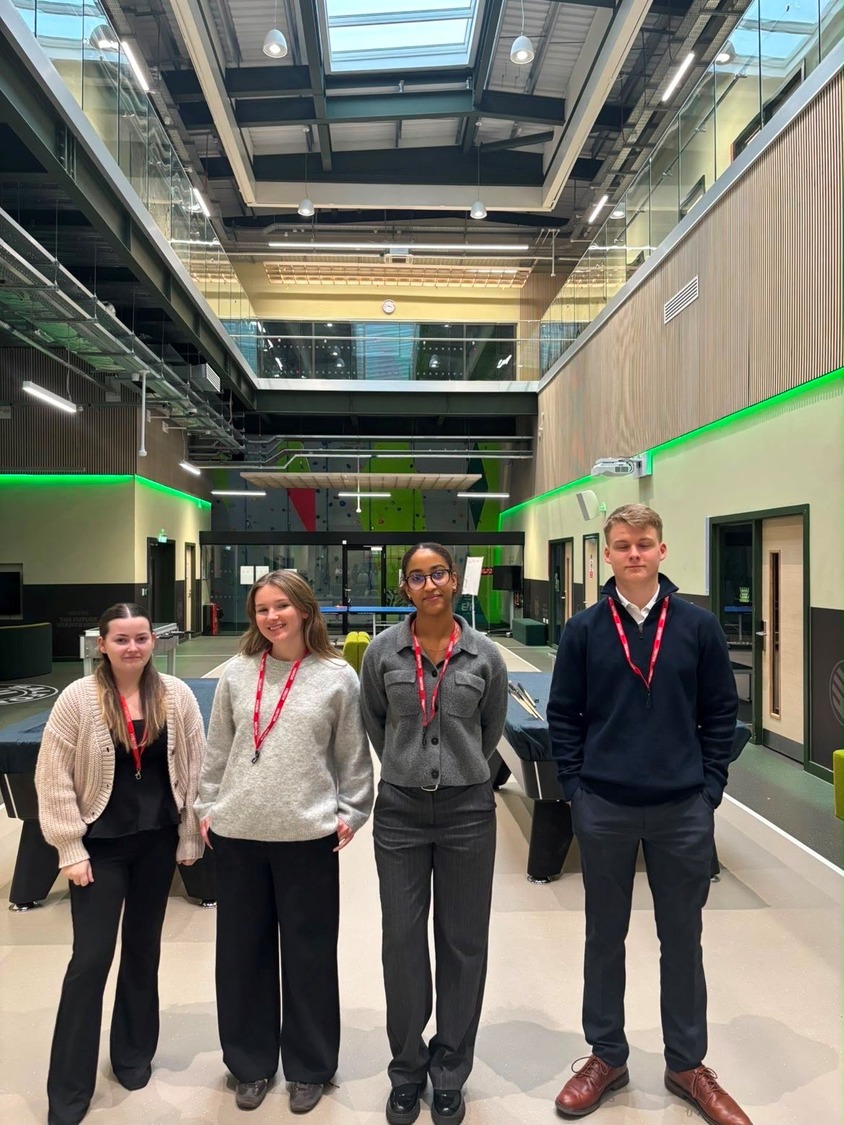
Riley Mallory, Mabel Almonte and Katie Riley with Jadon Dooley at Stroudley Walk
Through our placement, we have spent time with teams across the business, visited projects at different stages, joined meetings, attended consultations and seen what life is really like at a national placemaker.
One of the biggest things we have learnt is that regeneration is about much more than construction. There are project managers, development managers, architects, planners, consultants and many others all working together to create places that work for communities.
This was one of the most valuable parts of the placement.
For Riley, spending time on the Prestwich regeneration helped bring this to life.
The vision is focused on transforming the Longfield Centre into a new village centre, with new homes, retail spaces, a larger library, community areas, green spaces and a new Travel Hub.
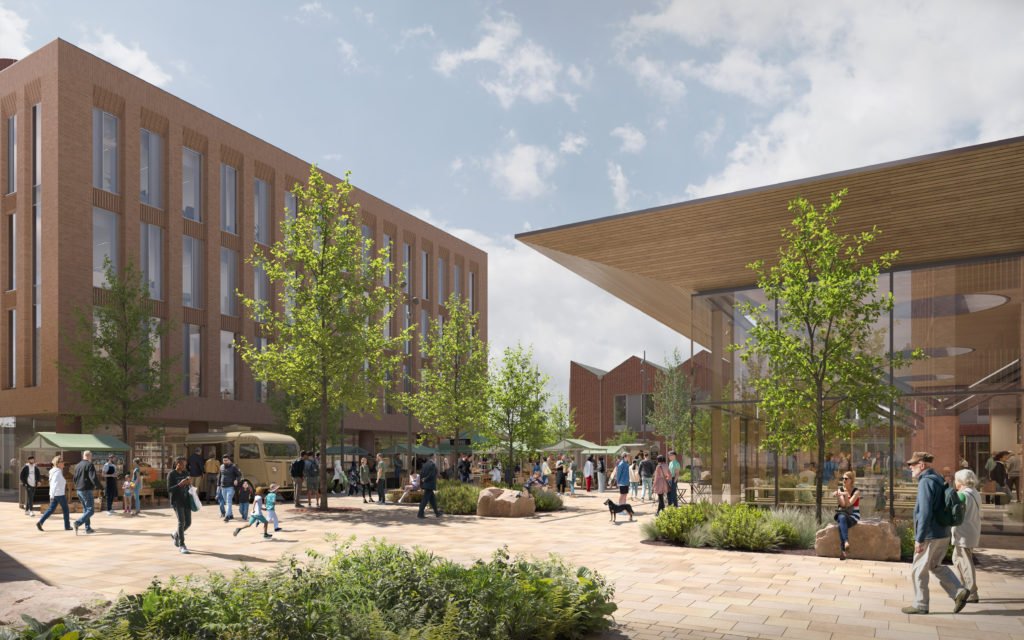
Prestwich Village
Being involved in different parts of the project showed just how much work goes into shaping a place before anything is built. This included seeing design changes, understanding how community feedback is considered, and learning how the team prepares for consultation.
For Mabel the opportunity to be able to directly contribute at these different moments was particularly rewarding. It gave her a deeper understanding, and a stronger sense of how a place is delivered.
Attending consultation events was especially interesting. Some people were supportive, while others had questions or concerns about parts of the plans. It was valuable to see how important it is to engage, listen properly, and explain the proposals clearly and help people understand what is being delivered and why.
It was also interesting to see how people’s views can change once they have more information and a better understanding of the plans.
Seeing the Travel Hub progress on site was another standout moment. It showed how a project gradually moves from drawings and conversations into something real.
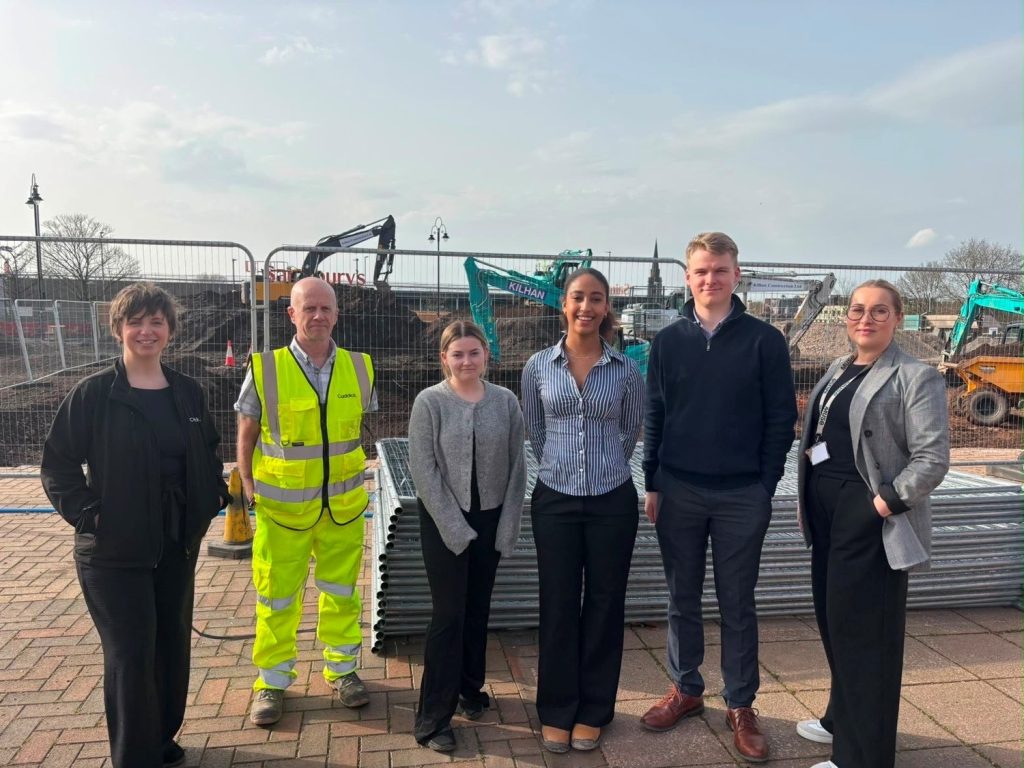
Riley Mallory, Mabel Almonte and Katie Riley on site in Wolverhampton
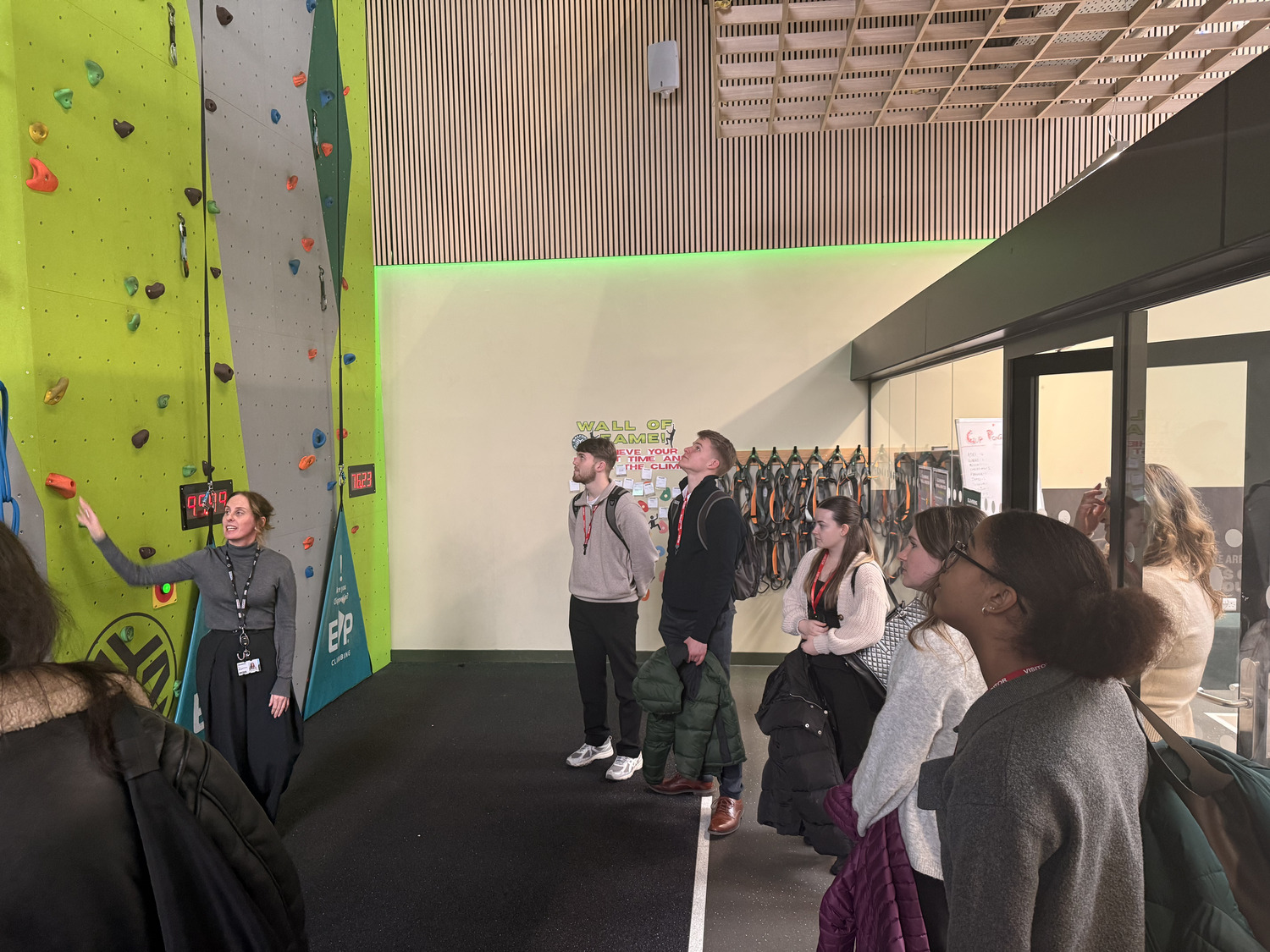
Katie, Riley and Mabel had the opportunity to visit a wide range of projects across the country, including Salford Rise, Salford Youth Zone, Stroudley Walk, Bradford and Wolverhampton, as well as Muse’s offices in Leeds, Birmingham and London.
Seeing projects at different stages helped show how regeneration can respond to the needs of different places and communities. Some were focused on new homes, others on public spaces, community facilities, transport links or town centre renewal. Each one showed a different side of what placemaking can involve.
Visiting places such as Stroudley Walk and Salford Youth Zone was especially rewarding. It helped show that regeneration is not just about building places but about tackling wider societal issues and creating safe and welcoming environments.
One thing that stood out to us was that regeneration is not just about improving how places look. It is about creating places that people can use and enjoy, addressing challenges and helping communities thrive.
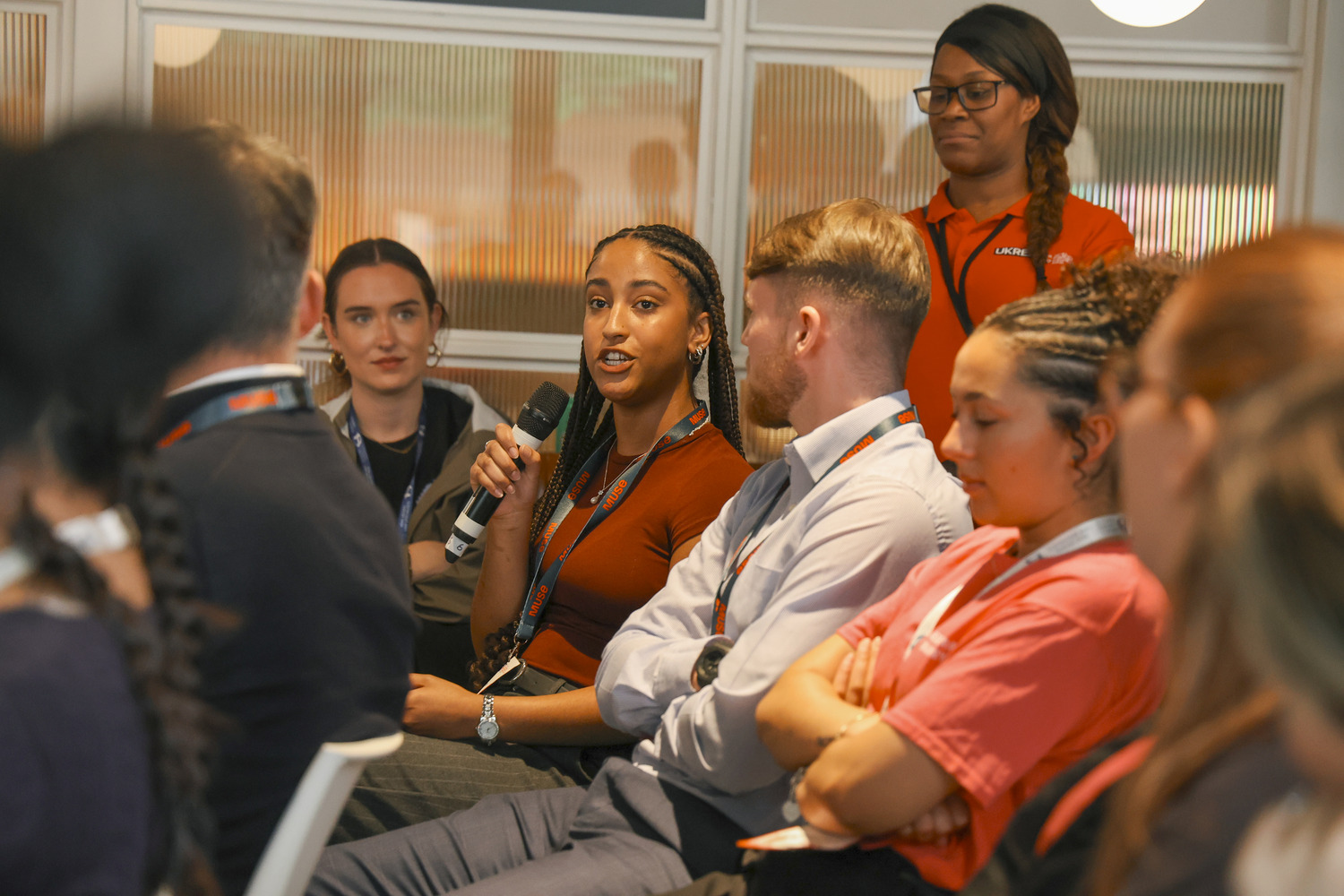
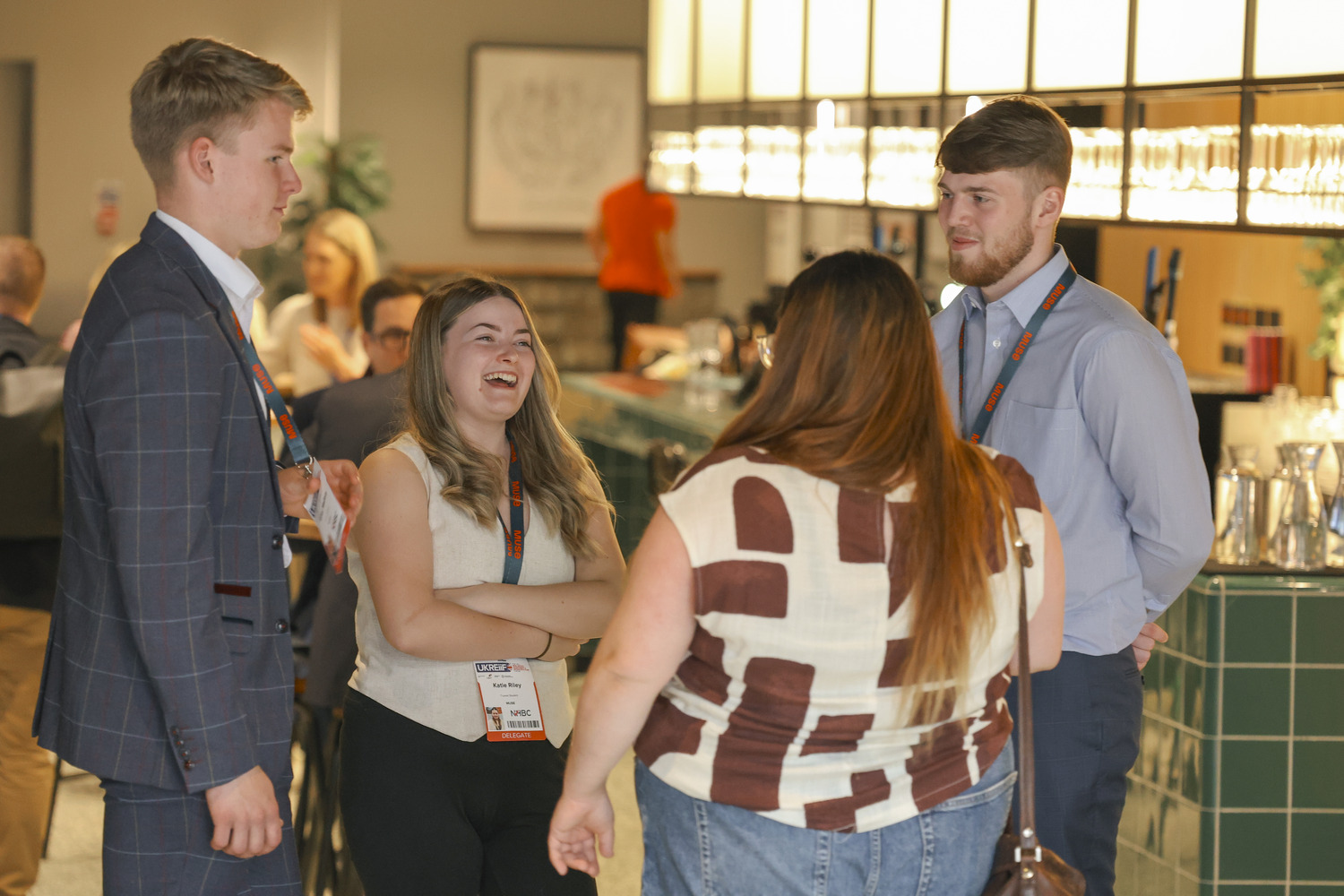
We also all had the opportunity to attend UKREiiF, which was a brilliant experience. Meeting people from across the industry and hearing about projects from around the country helped us understand the scale of the sector and the range of opportunities available.
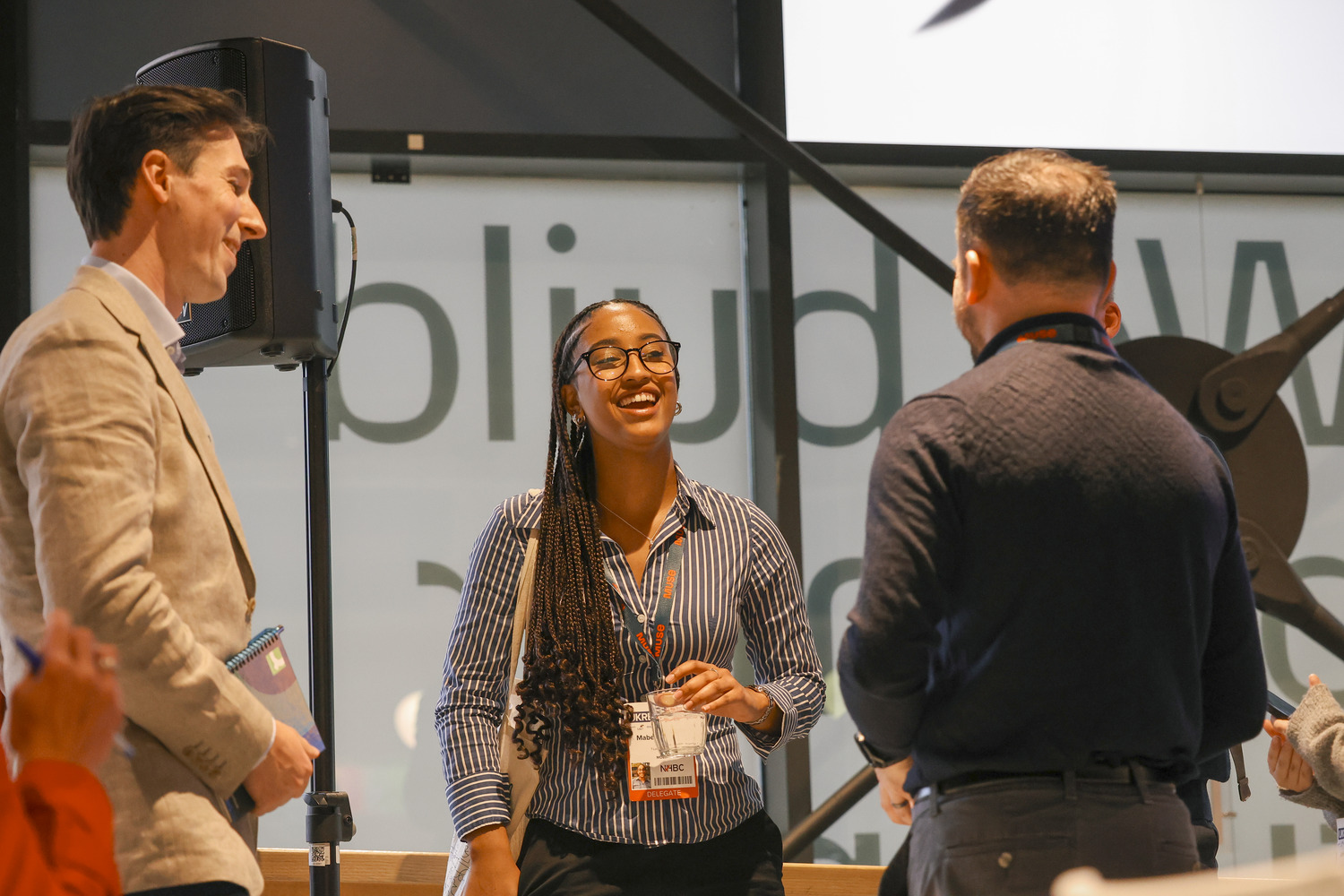
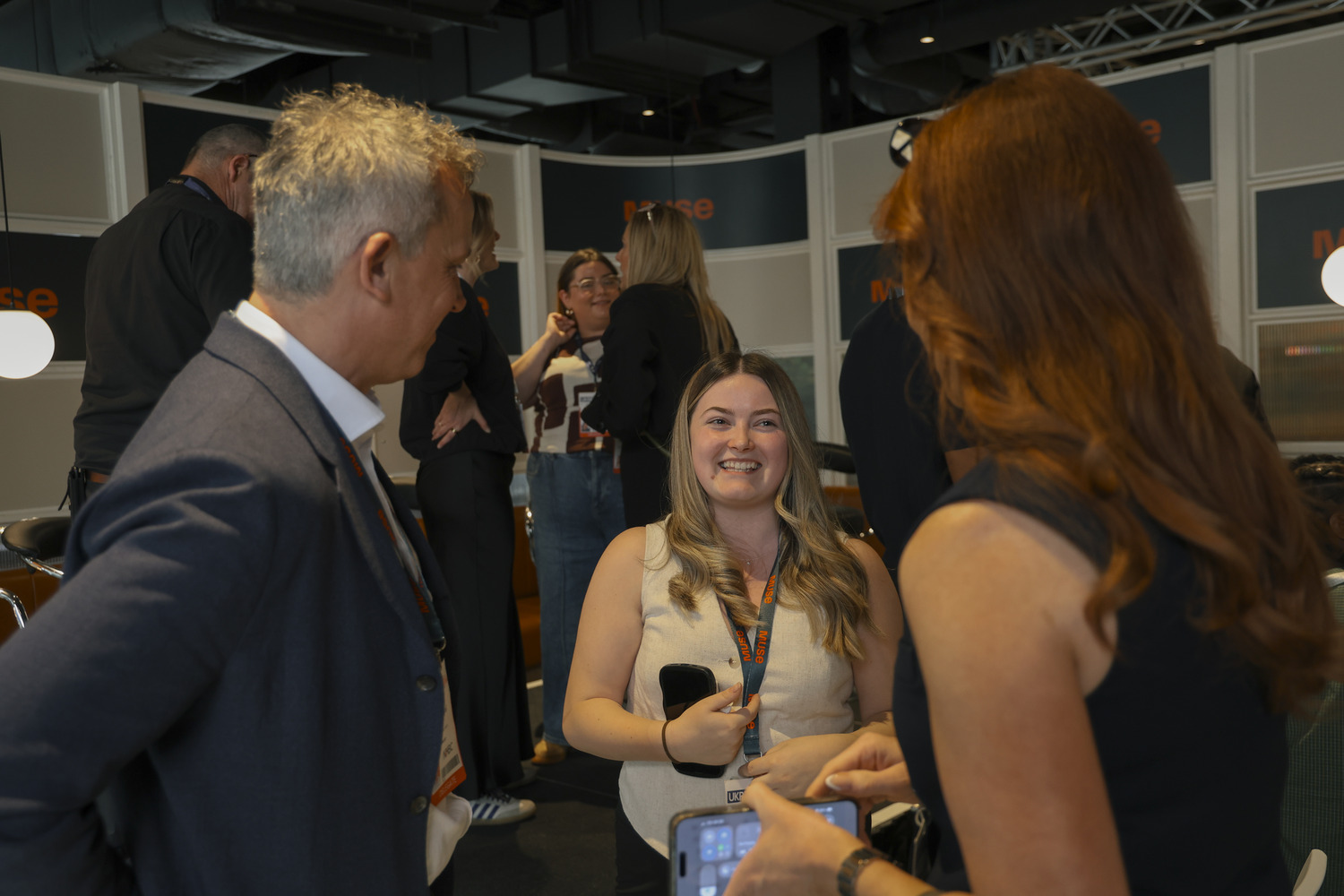
From day one, everyone was welcoming, approachable and willing to help. We were encouraged to ask questions, get involved in discussions and make the most of every opportunity.
That made a big difference to our confidence. Before starting, it would have been easy to make assumptions about the construction and development industry, or to think it might feel old-fashioned or difficult to get into. Our experience has been completely different.
We were invited into meetings, included in conversations and supported to understand what was happening around us.
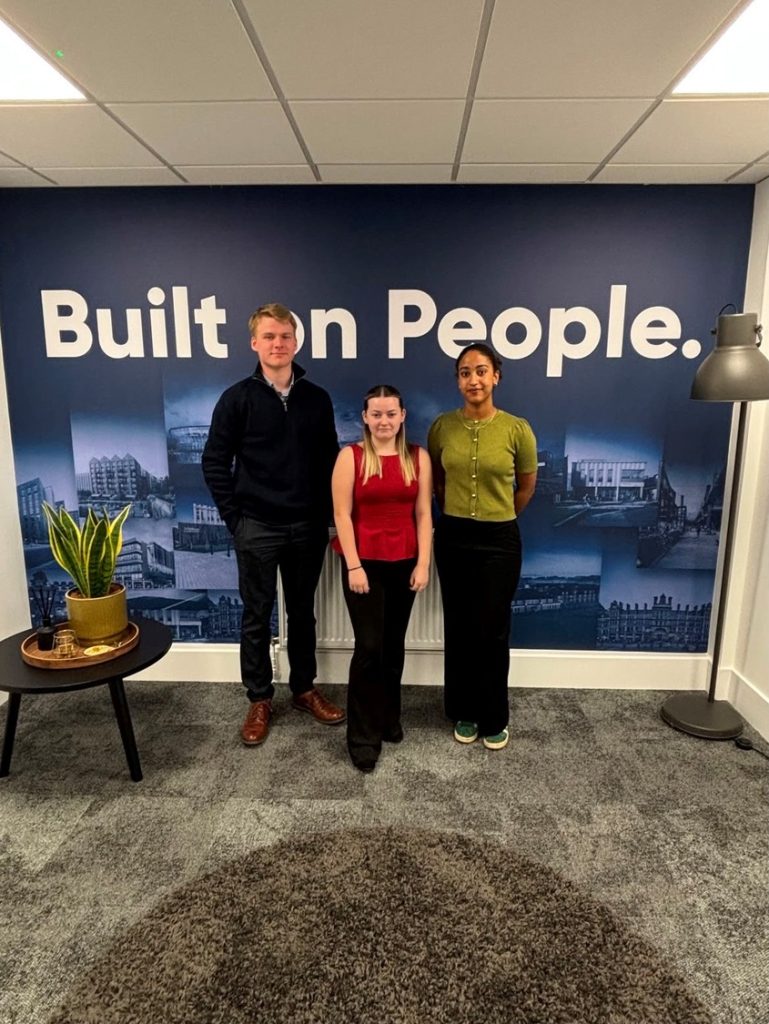
Riley, Katie and Mabel at Walker Sime's office
One thing we have all taken away from the placement is that there is no single route into regeneration.
For Katie, the placement has strengthened her interest in regeneration and encouraged her to explore future apprenticeship and university opportunities.
For Riley and Mabel, it has reinforced their ambition to pursue a career in project management and gave them a much clearer understanding of what that role involves day to day.
As we look ahead to the next stage of our careers, this experience has given us confidence, valuable industry knowledge and a much better understanding of the opportunities available within regeneration.
For anyone considering a T-Level placement, our advice would be simple: get involved, ask questions, and make the most of every opportunity – noting everything you learn down so that you can look back and remember valuable lessons.
Try to do something different, speak to different people and do not be afraid to step outside your comfort zone. If you do, there are very few experiences like it.