Shaping the Future of the South West: Voices, Vision and Partnership
03.03.26 3 min read
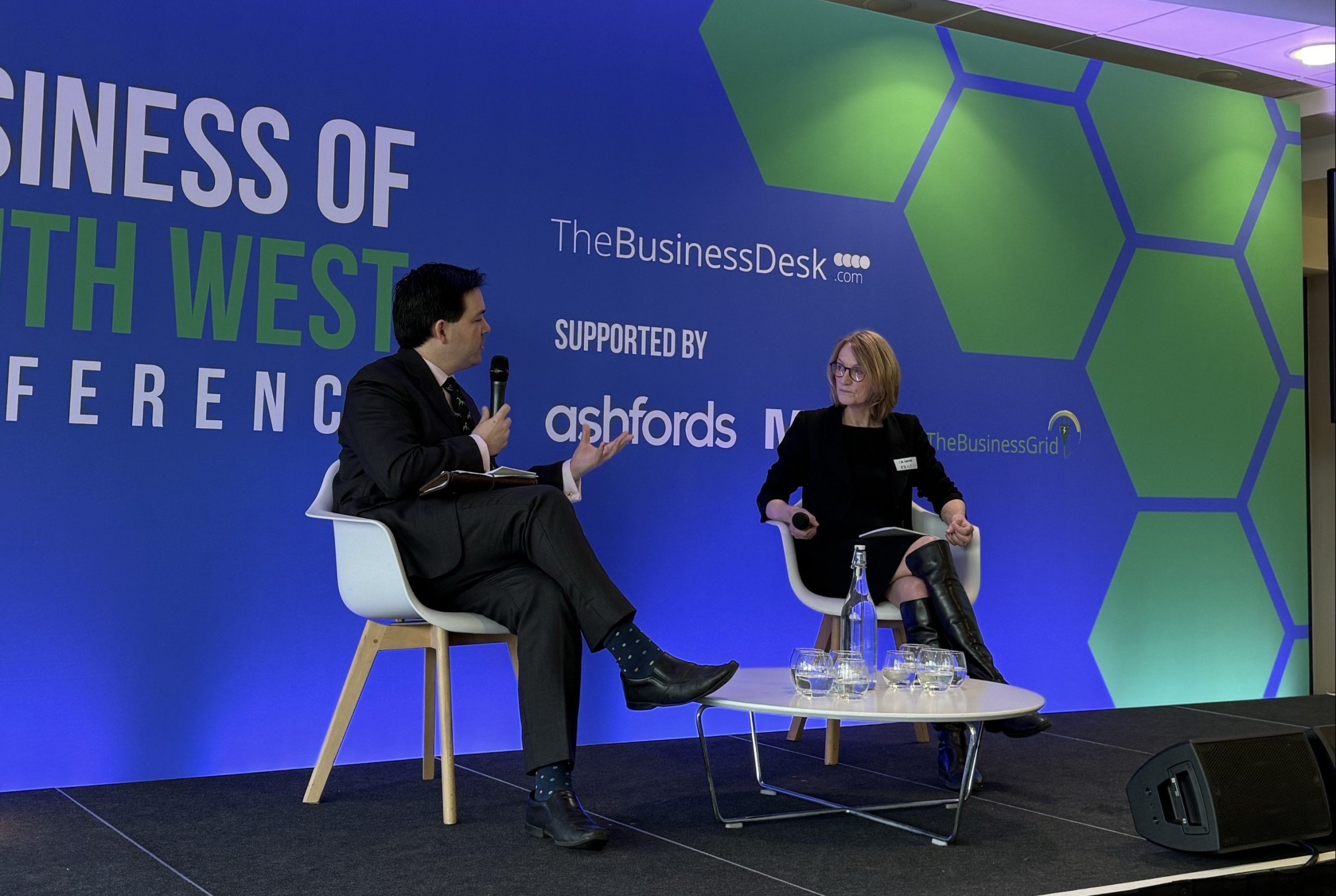
Accelerating the South West’s potential through partnership
For us at Muse, regeneration starts with partnerships and collaboration with communities, councils, world-class institutions and businesses that make ambitious projects possible and lasting.
That’s why we were proud to partner with the Business of the South West Conference, hosted by The Business Desk. It marked the first time the Business Desk has held a conference focused on the South West, which is a clear indication of the ambition and momentum building across the region.
At Muse, we’ve been a committed partner in the region for over two decades and have witnessed first-hand the innovative approach to placemaking and partnership across the region, and in its cities. And, following our recent selection as the preferred partner for Bristol Temple Quarter’s next phase, we look forward to continuing this journey for many years to come.
The day brought together leaders from universities, businesses, local authorities, and private sector partners, including Panattoni, Bristol Airport and Ashfords, to discuss the region’s growth, opportunities and the ways major projects can deliver lasting impact.
One theme ran through every keynote and panel: partnership and collaboration will define the South West’s next chapter. The region has a strong identity, an exceptional quality of life, and enormous growth potential.
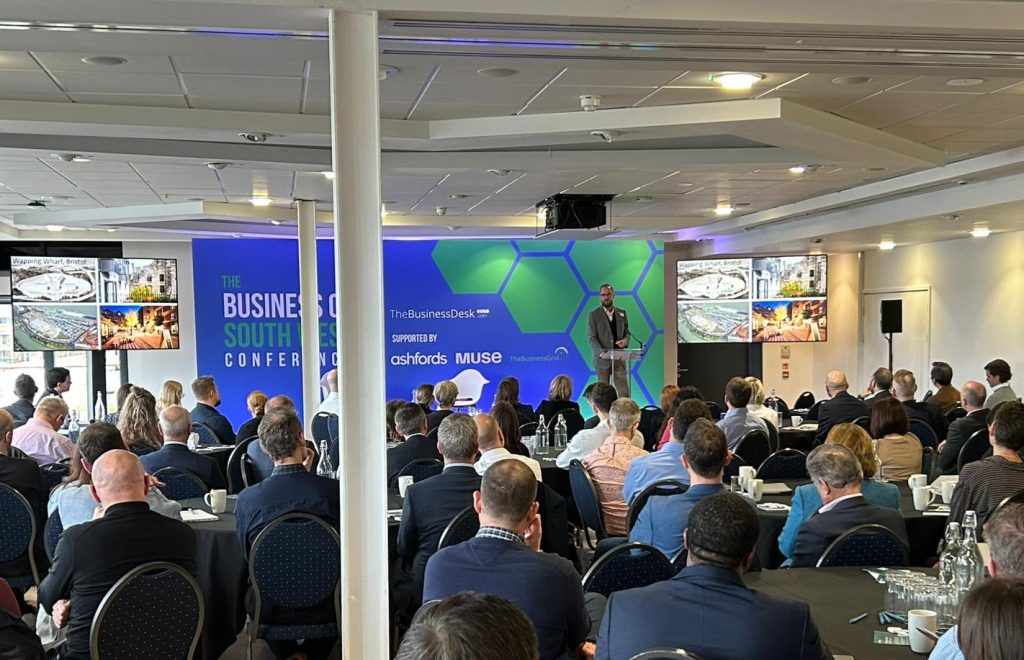
Simon Harding-Roots, Regional Managing Director at Muse South
Placemaking driving long-term economic success
Our Managing Director for the South region, Simon Harding-Roots, delivered a keynote speech on the scale of the opportunity for cities such as Bristol, whilst Duncan Cumberland and Tom Jackson joined panels exploring how placemaking drives long-term economic success.
Duncan Cumberland, Residential Development Director, spoke on the panel Investing in Place to Deliver Generational Change. Using Bristol Temple Quarter (BTQ) as an example, he highlighted the impact of creating a strong gateway into the city and the important role of institutions like the University of Bristol.
The University’s Temple Quarter Enterprise Campus, opening this year, is a transformative investment in innovation, research, and enterprise, bringing together academics and businesses to position BTQ, and the wider region, as a growing tech leader. Duncan also emphasised the stability that long-term partnerships bring to complex regeneration. With strong local roots in Bournemouth, Bristol and Plymouth, Muse knows the South West inside out — and as Duncan said, “we’re ready for lift off,” bringing fresh energy and real momentum to what comes next for the region.
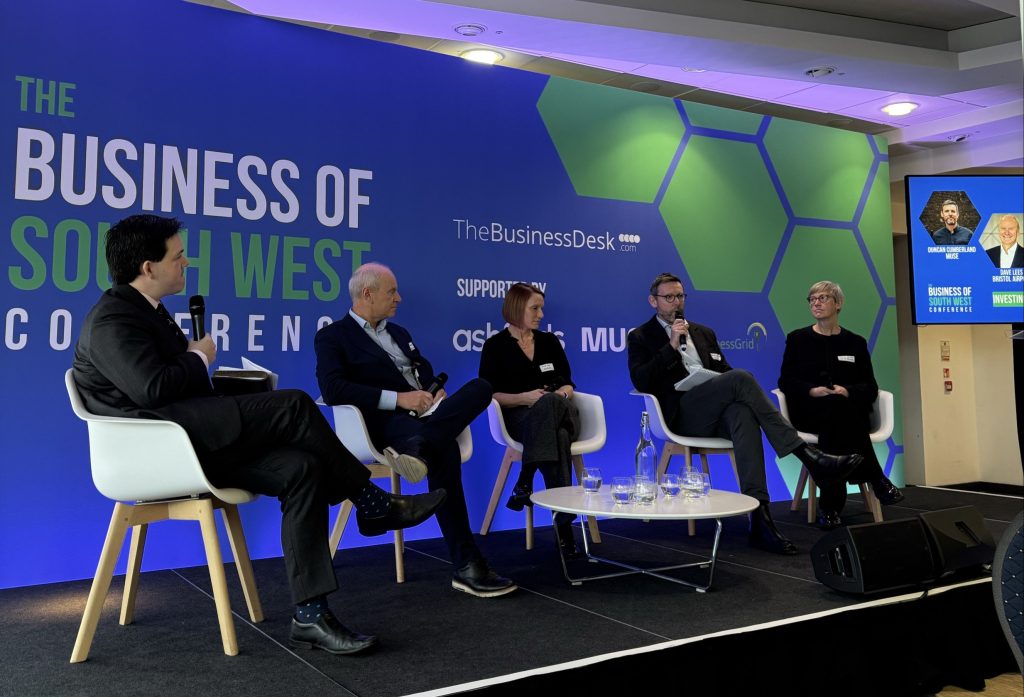
Duncan Cumberland, Director of Development Management at Muse
Simon Harding-Roots’ described the South West as a region of ambition, identity and momentum, underpinned by its resilient and increasingly diverse economy, the distinction and power of its cultural centres and the region’s important role in the government’s New Towns agenda. He argued that through genuine engagement, partner-led approaches and a commitment to quality, the region can continue to unlock, deliver and create exemplar places.
Tom Jackson spoke about balancing ambition with delivery. At BTQ, this means progressing short- and medium-term opportunities around Temple Meads while maintaining the long-term vision for St Philip’s Marsh, unlocking sites ready to move without losing sight of the bigger picture. Ultimately, the goal is a new city entrance that works for residents, businesses, investors, and visitors alike.
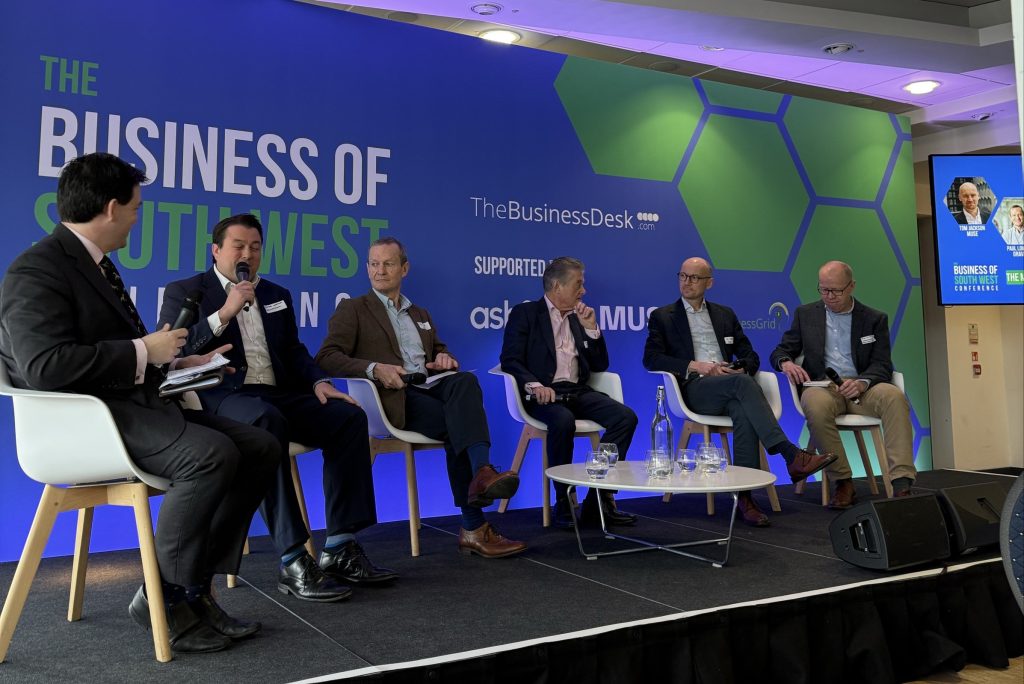
Tom Jackson, Development Director at Muse
What we learned
For us, the conference was as much about listening as it was about sharing our experience.
Speakers returned to the same themes: the South West is the fastest-growing UK region, combining economic opportunity with an exceptional quality of life, and strong alignment between academia, business and civic leadership.
But growth at this scale doesn’t happen by accident. It requires a clear vision, confidence in delivery, and partnerships that can withstand challenges. Discussions on BTQ reinforced how infrastructure, connectivity, transport, and innovation clusters all multiply the impact of major projects — showing that regeneration is never just about one site, but about how places connect and support one another.
When you focus on quality, it encourages investment, builds confidence in the area and keeps momentum going. As Simon put it in his keynote: