Greener from the ground up: Horsham’s biodiversity‑led regeneration
13.05.26 4 min read
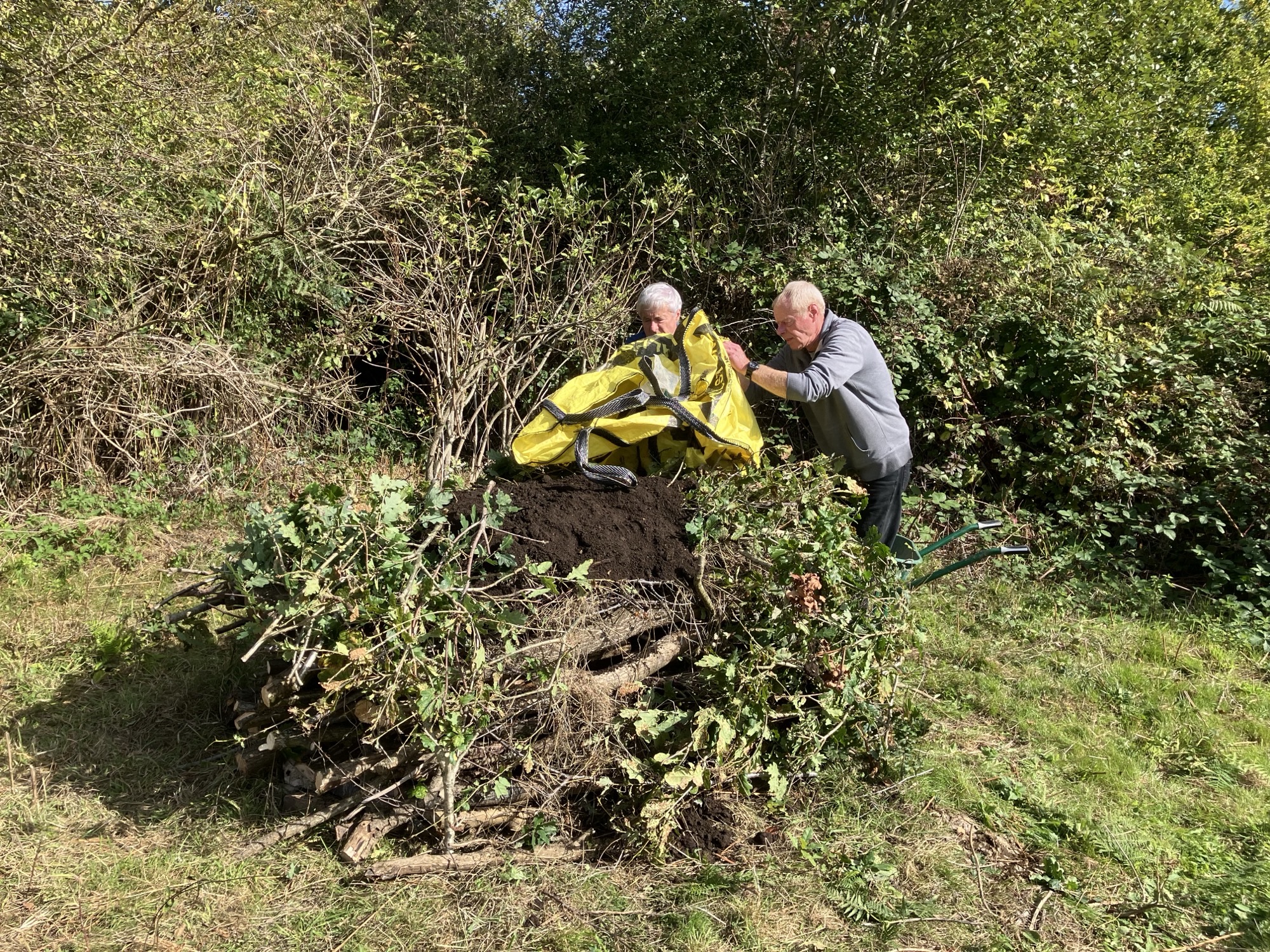
As work begins to transform the former Novartis site in Horsham, one of the earliest milestones had little to do with bricks or foundations.
Instead, it involved feathers, scales and a carefully created area of shingle beach. Before a single home is built, the teams on site have been focused on something just as important: ensuring the wildlife that already calls this place home has a safe and sustainable future.
Working in partnership with housebuilder Lovell and West Sussex County Council, the vision for Horsham is to establish a neighbourhood that respects its surroundings, restores local ecology and creates a greener, healthier place for future residents. That vision has been defined through ongoing community consultation since we were selected as development partner in 2021. We listened closely to what local people wanted to see from the site after more than a decade of vacancy.
The feedback highlighted the need for affordable homes and for a mix of households, alongside a strong emphasis on sustainable design and green spaces. This has guided our approach to create a green, nature-led development, which starts with understanding the landscape, and making sure every creature, from peregrine falcons to slow worms, has a place to thrive.
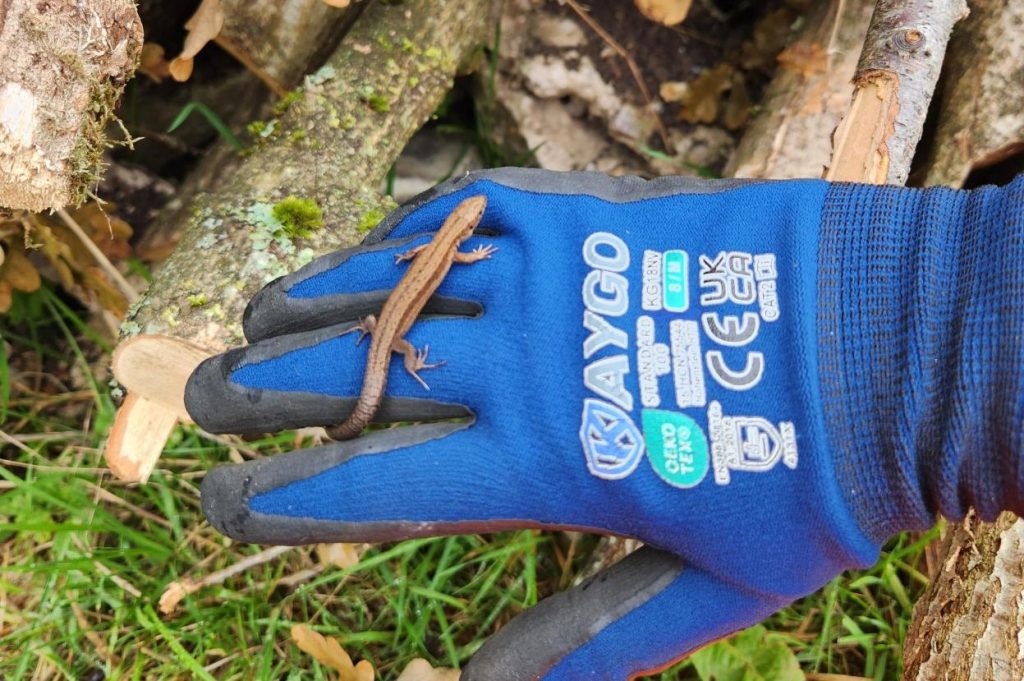
Juvenile common lizard
A new beginning for Horsham’s wildlife
Ahead of construction, we have been working closely with sustainability experts Greengage to relocate reptiles, including slow worms and common lizards, to safe, purpose-built habitats on a Horsham District Council site. Horsham Council’s warden team provided additional constructed shelter designed to mimic the warmth and vegetation the species rely on, ensuring they can continue to thrive as the site evolves.
High above the site, Lovell has also installed a bespoke nesting box for the resident peregrine falcon. Positioned at the top of the tower, it offers a secure vantage point for one of Britain’s most iconic birds of prey. The box is already becoming part of the site’s evolving ecosystem, reinforcing the idea that urban development and wildlife can coexist when designed with intention.
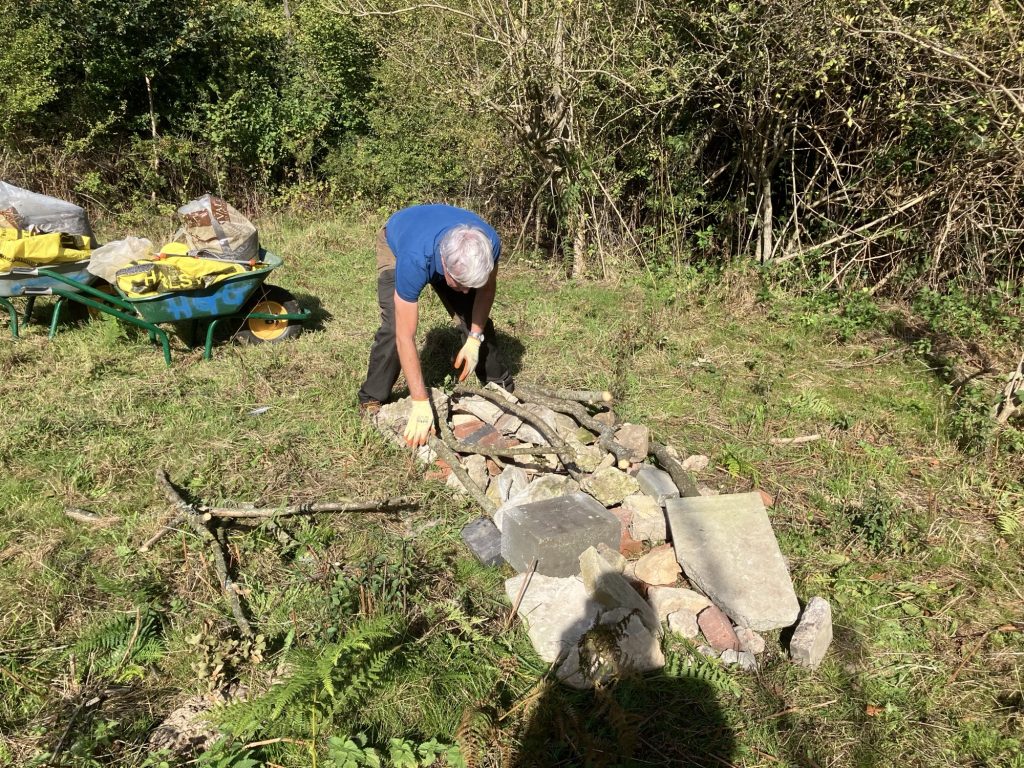
Preparing homes for local wildlife
Designing a greener, more resilient landscape
These early ecological interventions are part of a wider ambition to boost biodiversity on the site by at least 10%. That means more planting, more habitats and more opportunities for nature to flourish.
The masterplan includes two brand‑new parks, each designed to bring people closer to nature. With generous planting, natural play areas and beautifully landscaped spaces, they will become places for families to gather, children to explore and wildlife to settle.
A woodland walk will weave through the development, offering a green corridor for birds, bats and pollinators, as well as providing a peaceful route for dog walkers, runners and anyone seeking a moment of calm.
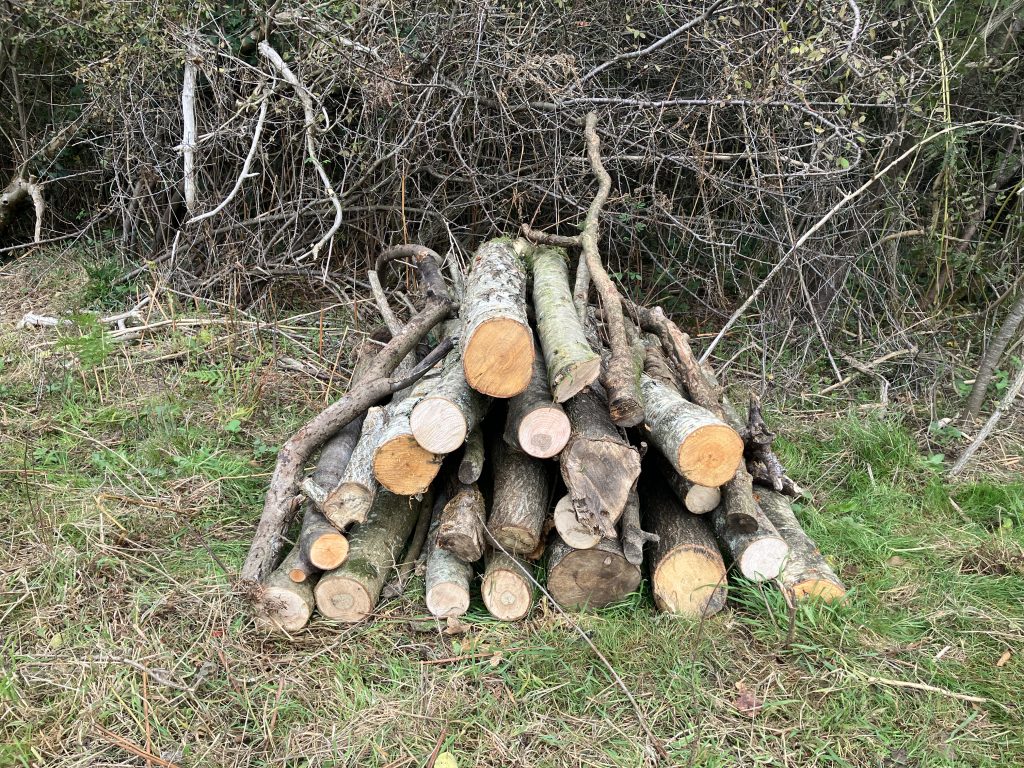
Purpose built habitat for local wildlife
Mitch Cooke, Director at Greengage, reflects on the process:
“This means thinking carefully about where they’ll feed, where they’ll shelter and how they’ll adapt as the landscape changes. At Horsham, we’ve had the opportunity to create habitats that give these species a better chance to flourish than before, which is a truly rare opportunity in regeneration, and one we’ve taken seriously.”
Building a balanced, sustainable community
While the ecological work is vital, it sits within a broader vision for the site: a vibrant, mixed community that reflects the needs of Horsham today.
Delivered in partnership with West Sussex County Council, the development will provide a diverse range of homes, from one‑bed apartments to four‑bed family houses, ensuring a balanced neighbourhood where different generations and families can live together.
With easy access to local roads, bus routes and everyday amenities, the new neighbourhood is ideally placed for sustainable living. The focus on walkability, green infrastructure and ecological enhancement ensures that the neighbourhood will feel both connected and environmentally responsible.
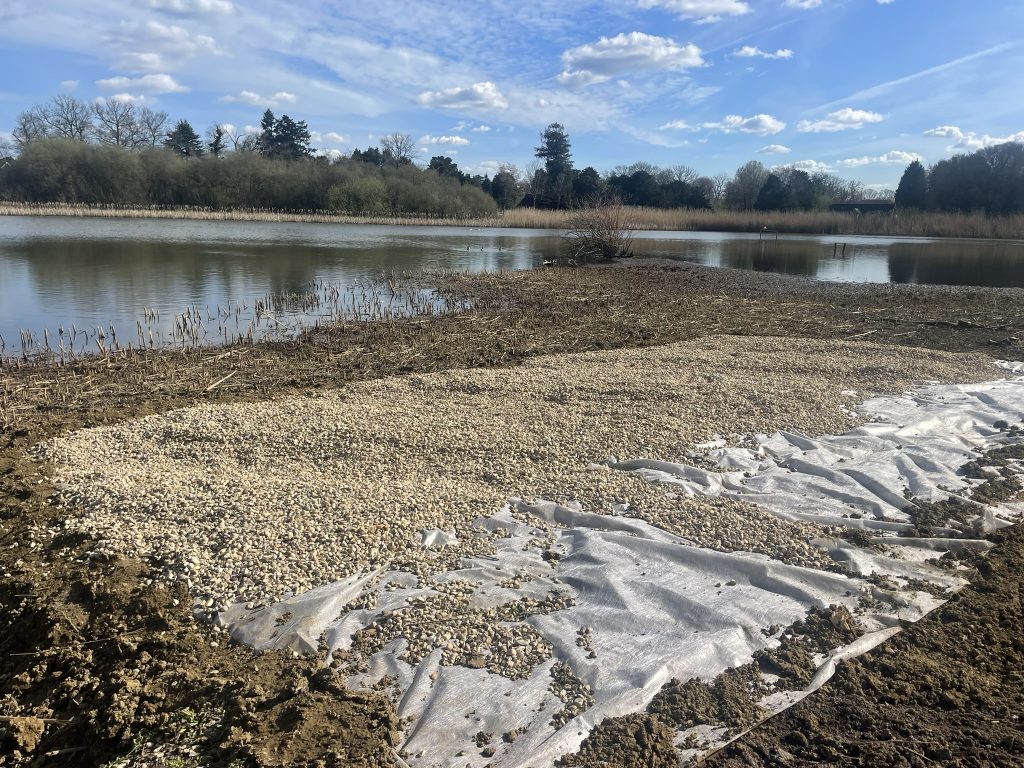
Shingle beach installed for the Little Ringed Plovers
A model for nature‑positive regeneration
The wildlife‑rehoming programme at Horsham shows what’s possible when development teams, ecologists and local partners work collaboratively from the outset, putting environmental stewardship at the heart of regeneration.
With 244 new homes, 1.8 acres of public open space and a landscape designed to support biodiversity for decades to come, the transformation of our Horsham neighbourhood is set to become a benchmark for sustainable, community‑focused development.
And while the first residents won’t move in for some time, the little ringed plovers, reptiles and peregrine falcon are already settling into their new homes; a fitting start for a neighbourhood built with nature in mind.