Viability needs to focus on value not just cost
14.05.26 4 min read
As UKREiiF fast approaches, viability is once again set to be at the centre of the conversation.
It is a familiar challenge, but the context has shifted. Cost pressures have evolved, funding is more constrained, and delivery is under increasing pressure. At the same time, expectations around quality, sustainability and place have not reduced.
That combination is prompting a more fundamental question: is viability itself being approached in the right way?
A linear approach to a complex problem
Viability is still typically approached as a linear process, with developments designed first and value tested later.
In practice, many of the decisions that shape value are made at the very start, often before there is clarity on which operator or investor a place is being designed for. Mix, layout, amenity and operational design all influence value but are not always considered in that context early enough.
This can create a disconnect between how projects are designed and how value is ultimately assessed. It can also mean that risk is identified too late, when there is less flexibility to respond without adding cost, delay or compromise.
Moving beyond a cost-led mindset
Viability is often framed primarily as a cost issue, with the focus on minimising spend rather than maximising value.
While cost discipline remains important, this is only one part of the equation.
In some cases, targeted investment in the right areas can strengthen overall viability, supporting income, improving operational performance and creating more resilient places over time.
This requires a shift in mindset, from reducing cost at each stage to considering how value is created across the lifecycle of a development.
The role of earlier collaboration
A more integrated approach to viability depends on bringing the right perspectives into the process earlier.
Investors, operators and contractors each view value and risk differently. Their input can help shape design decisions in a way that improves outcomes, but they are often engaged in isolation, or once key elements of a project are already fixed.
Earlier collaboration allows those insights to be built in from the outset. It also supports a better understanding of how value is perceived, where risk sits and how it can be managed more effectively across the value chain.
Over time, this can help move the sector away from a purely transactional model towards one based on longer-term relationships and shared understanding.
Rethinking how value is created
The sector has traditionally relied on competition to drive value, particularly in procurement.
In more constrained conditions, this approach is less effective on its own. Where viability is already challenged, value is more likely to be created through a series of incremental improvements rather than a single intervention.
Design, construction and operational considerations all play a role. Early contractor involvement, for example, can help identify more efficient ways to deliver the same outcome, improving both cost and quality.
Quality itself is also a key factor. Poor build quality can affect long-term performance, increase operational costs and reduce occupier retention. These are direct considerations in how value is assessed.
Social impact should also be seen in this context.
We have seen the benefits of this in many of our places, for example at Greenhaus in Salford. Here we were able to deliver 96 Passivhaus-certified affordable homes, because Salix Homes understood the real value of sustainable quality early on.
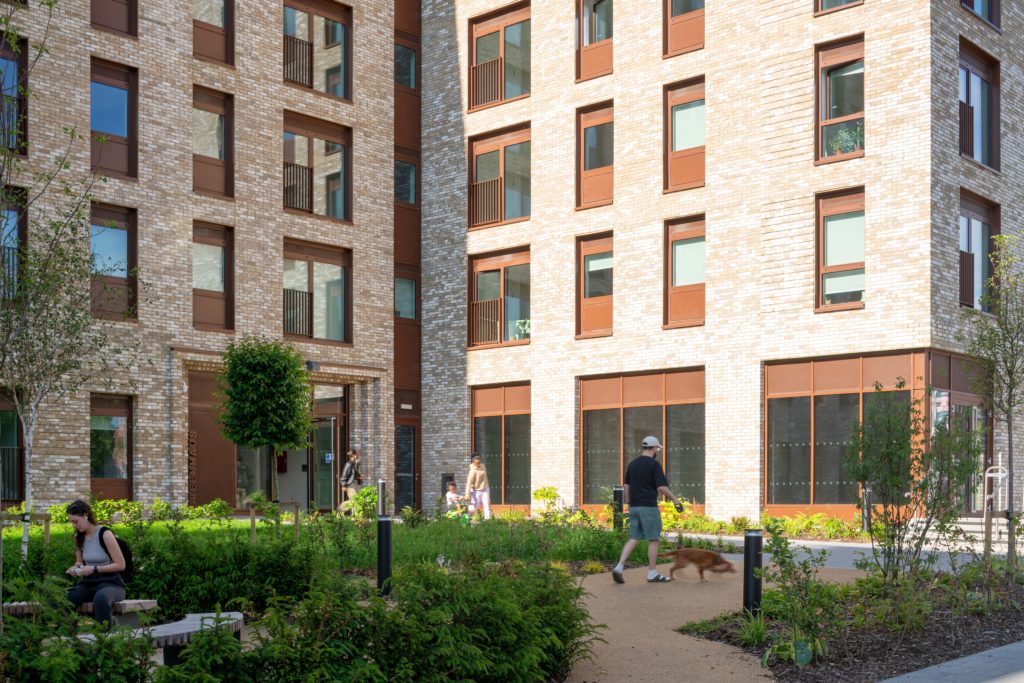
Greenhaus, Salford
A shared approach to delivery
Even with a more integrated approach to viability, the current economic climate means public sector financial support and intervention will continue to play an important role in many developments. This could range from bridging the final gap to underpinning a lower cost of capital using guarantees or offering blended finance.
A shared approach creates the conditions for delivery, with each part of the value chain playing its role, rather than relying on a single solution. Developers, investors, contractors and public partners all contribute to the outcome.
Opening the conversation at UKREiiF
At UKREiiF, we will explore this further through a session asking whether the sector is focusing on the right questions when it comes to viability. The discussion will look at how developers and public sector partners can make places investable by looking beyond cost reduction and focusing on how value is created across the full lifecycle of a place.
Bringing together perspectives from across the value chain, it will consider how risk, return, cost of capital and long-term value are shaping delivery, and what may need to change to unlock more developments in practice.
That requires a change in behaviour, not just mindset. It means earlier conversations between developers, investors, operators, contractors and public partners. It means engaging before key decisions are fixed. It means treating place, social impact and operational performance as part of viability, not as separate considerations.
If the conversation can move in that direction, it will help create stronger foundations for delivery in the current market.