The women who have shaped our careers – and our lives
06.03.26 3 min read
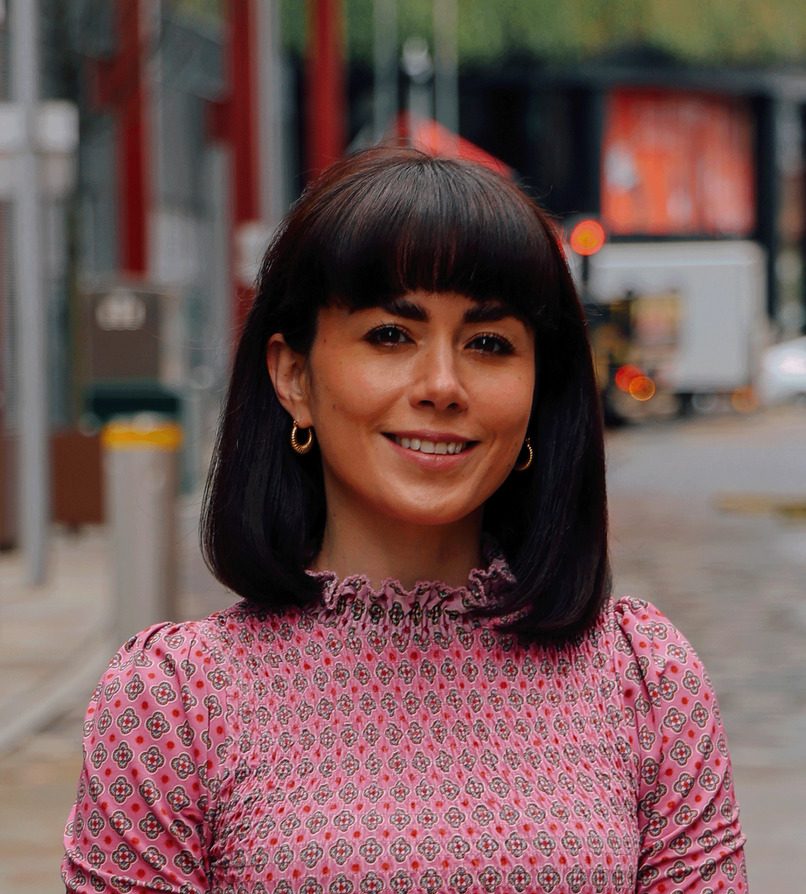
Ahead of International Women’s Day, and as part of a celebration of this year’s global theme “Give to Gain”, we brought together colleagues from across Muse to reflect on the women who have shaped their careers, and the role that mentorship and support plays in helping people grow.
In the first of two conversations, Estates Director, Leah Parkinson, and Managing Director for the South, Simon Harding-Roots, share their thoughts on leadership, opportunity and how women’s influence has guided their journeys in the regeneration sector – and lives in general.
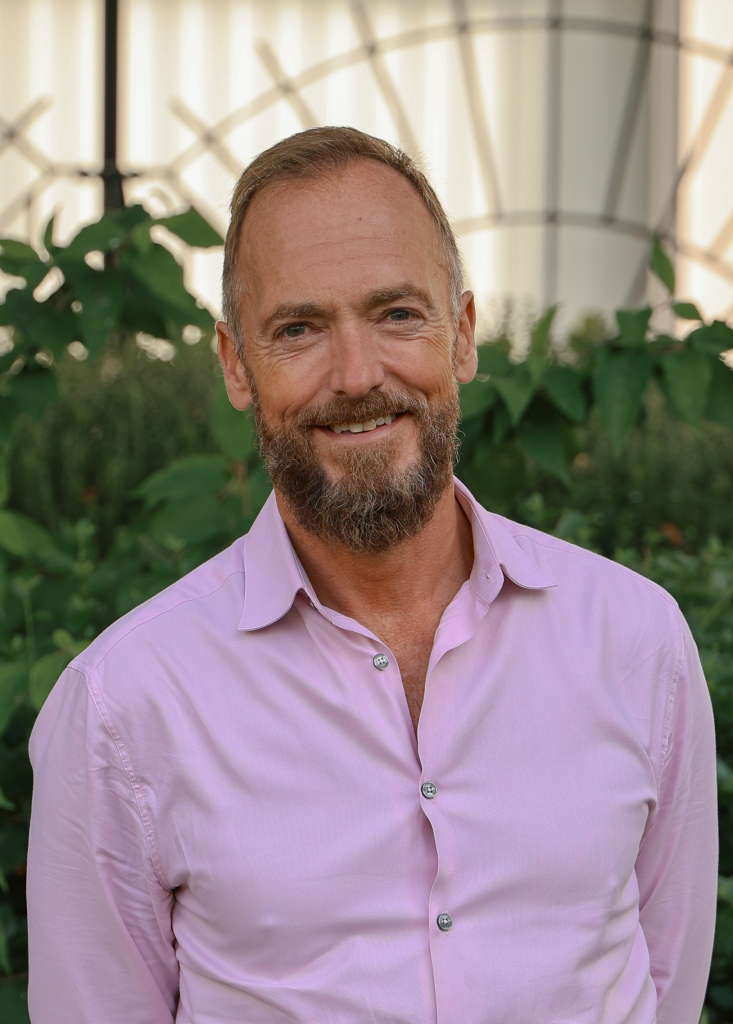
Simon Harding-Roots
Strong women who shaped our early lives
For Simon, the women who influenced him most came long before his career began.
Raised by his mother and grandmother after his mother escaped an abusive relationship, he says their resilience and determination left a lasting impression. Starting with very little, his mother built a successful business and became financially independent through years of hard work.
Those early experiences still influence how Simon approaches leadership today.
From early career to leadership
Leah’s journey into property was also shaped by a strong female influence.
She moved to England from the Philippines when she was 12, where she and her sister were raised by their grandmother, while their father worked abroad. A widow who had previously brought up four sons, her grandmother later went on to help open the first Citizens Advice office in Warrington.
“She had incredibly high expectations of me,” Leah says. “She pushed me to work hard at school and supported me through university and into my first job in property.”
Leah began her career more than 15 years ago as a team administrator for a managing agent. Today she is an Estates Director at Muse, a journey she says has been shaped by persistence and the encouragement of people around her.
Reflecting on the sector, she believes that considerable progress has been made over the course of her career.
“At my last place of work I’d like to think I played a part in helping this shift and influencing change by showing that I could do it.”
Since joining Muse, she has been pleased to see how the business empowers women to succeed.
“At Muse it’s great to see so many women represented across a wide range of roles – including administration, development and senior leadership.”
This is a change which is being reflected nationwide – with the government working with employers across the industry to make the sector more welcoming and accessible for women – from the application process right through to on-site culture.
Supporting others to step forward
Helping others build confidence has also become an important part of Leah’s approach to leadership.
Leah recalls encouraging a colleague to begin leading client meetings, initially observing and then gradually taking on more responsibility.
“You guide people through it, give constructive feedback and build their confidence,” she says. “That’s how people grow.”
For Simon, this kind of support is central to leadership.
Bringing others with you
Both Simon and Leah believe that stronger representation brings a different balance to leadership.
“I learnt a huge amount from the women in my life,” Simon says. “They showed determination and ambition, but also empathy. Success isn’t just about getting ahead yourself. It’s about bringing others with you.”
Since joining Muse, Leah says the collaborative culture of the business has stood out.
“People here are very open with their knowledge,” she says. “If you want to learn something, people will make the time to explain it. There’s a real sense that everyone can contribute and be part of the conversation.”
That openness, she says, helps people feel more confident in their roles and encourages them to keep developing their skills.
Advice for the next generation
Her advice to women considering a career in regeneration is simple.
“Don’t be afraid to ask questions or take opportunities when they come,” she says. “There’s always more to learn, and people are willing to help if you ask.”
For Simon, creating that environment is one of the most important responsibilities leaders have.
“If we want the industry to continue evolving, we have to make sure people feel supported and able to progress.”
As the sector continues to grow and change, both believe supporting the next generation of talent will be essential to the future of the industry.