Translating ambition into genuine delivery
19.01.26 3 min read
As the government continues to push its ambitious housing targets with a series of initiatives and planning reforms focused on ‘unleashing’ growth, the general response amongst those in the industry has been a growth in confidence.
It’s an opportunity to drive delivery. To create new places and re-ignite others by building new bridges and connections between communities.
This confidence and excitement is in turn being reflected by the number of emerging visions for the regeneration of towns and cities across the country.
It has also been shown in the number of new home applications gaining pace as developers take to heart the government’s determination to drive delivery.
On the surface this has been extremely positive. For decades, the UK’s housing landscape has been under mounting strain. Demand has consistently outstripped supply and led to rising social and economic inequalities. Places which were once thriving neighbourhoods and communities had suffered decline.
For example, many of the UK’s coastal communities have faced challenges of underinvestment due to issues such as a decline of critical industries and traditional seaside tourism. This has led to a decline of career opportunities and higher levels of economic inactivity than inland areas.
A similar story can be told for post-industrial towns suffering from de-industrialisation, ‘left behind’ neighbourhoods on urban fringes, and isolated, poorly connected, rural areas.
These factors have shaped the government’s ambitions and the need for impactful regeneration. Alongside the public sector we can now seek to address this at a greater pace.
Yet, delivery is not just securing planning approval. Rooting out the other barriers that follow, responding to challenges, and overcoming complexity, requires a considerable amount of collaborative effort to get a vision over the line.
It’s not always easy, but it’s what makes the biggest projects create real, meaningful, impact. It’s what will bring a genuine revival of these communities that are still crucial for our future.
Over the last 40 years we have experienced those challenges and overcome them because of steadfast commitment to delivering against a strategic masterplan for a site.
Many of these visions are 5, 10, 15 years in the making, and delivered across multiple phases.
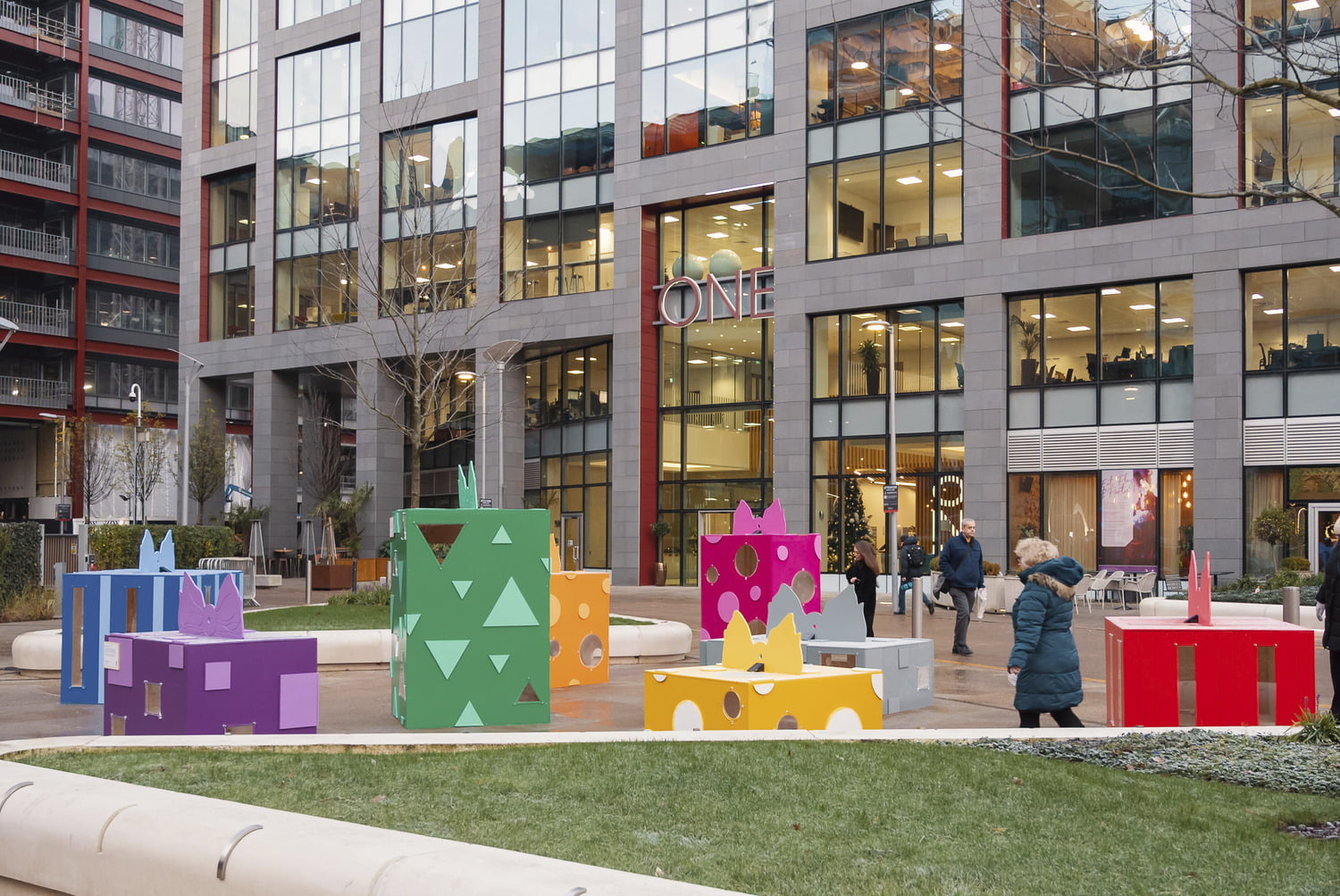
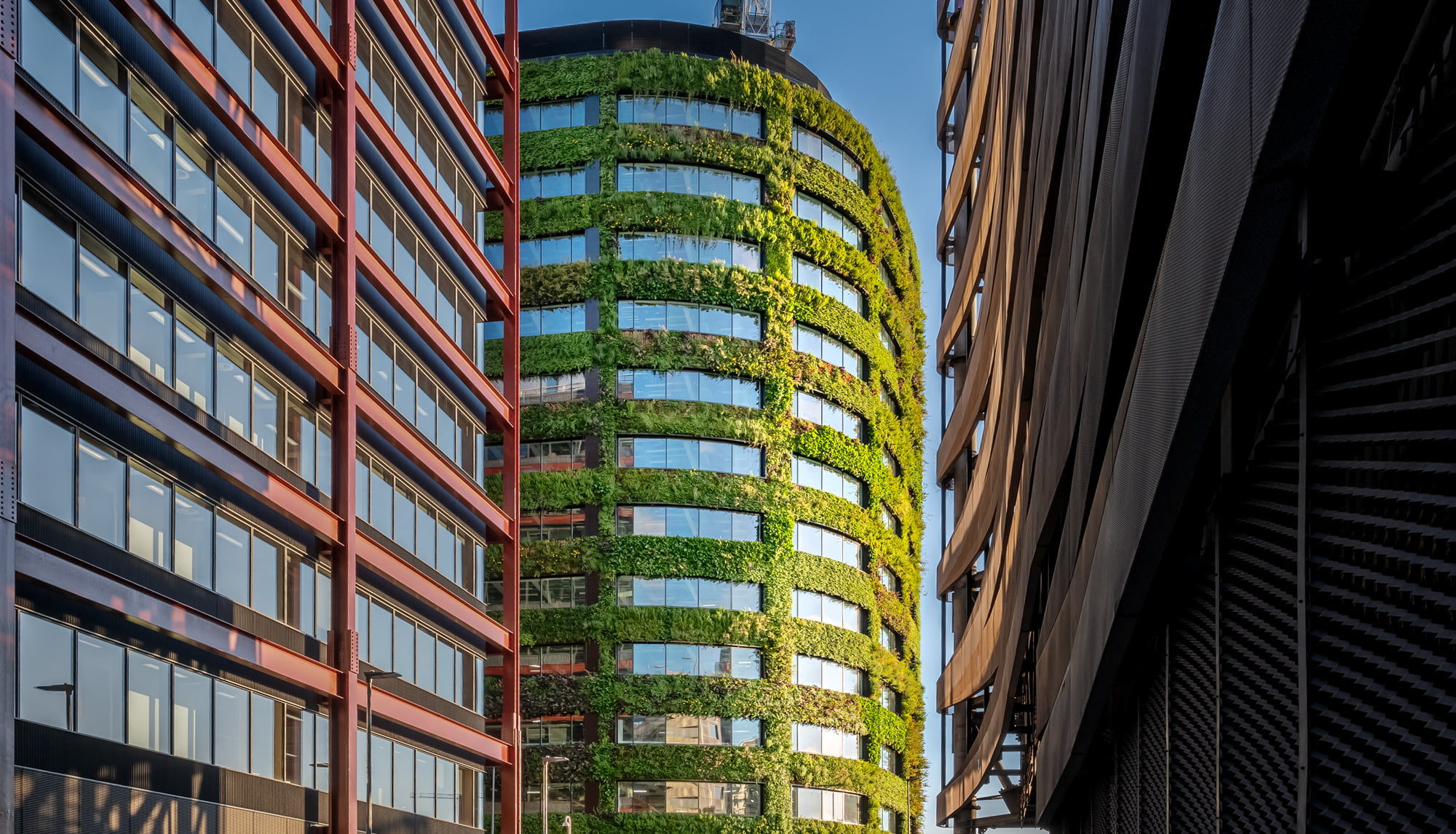
For example, at Salford Central where for near two decades ECF – our placemaking supergroup with Homes England and L&G, have been working in partnership with Salford City Council to deliver more than 1,000 homes, world-class commercial space, and green open areas, as part of £1bn transformation of an underutilised 50-acre space.
It is more than a link between two cities. New and old Salfordian’s have built lives, businesses, grown personally and professionally, and created countless memories here over the years.



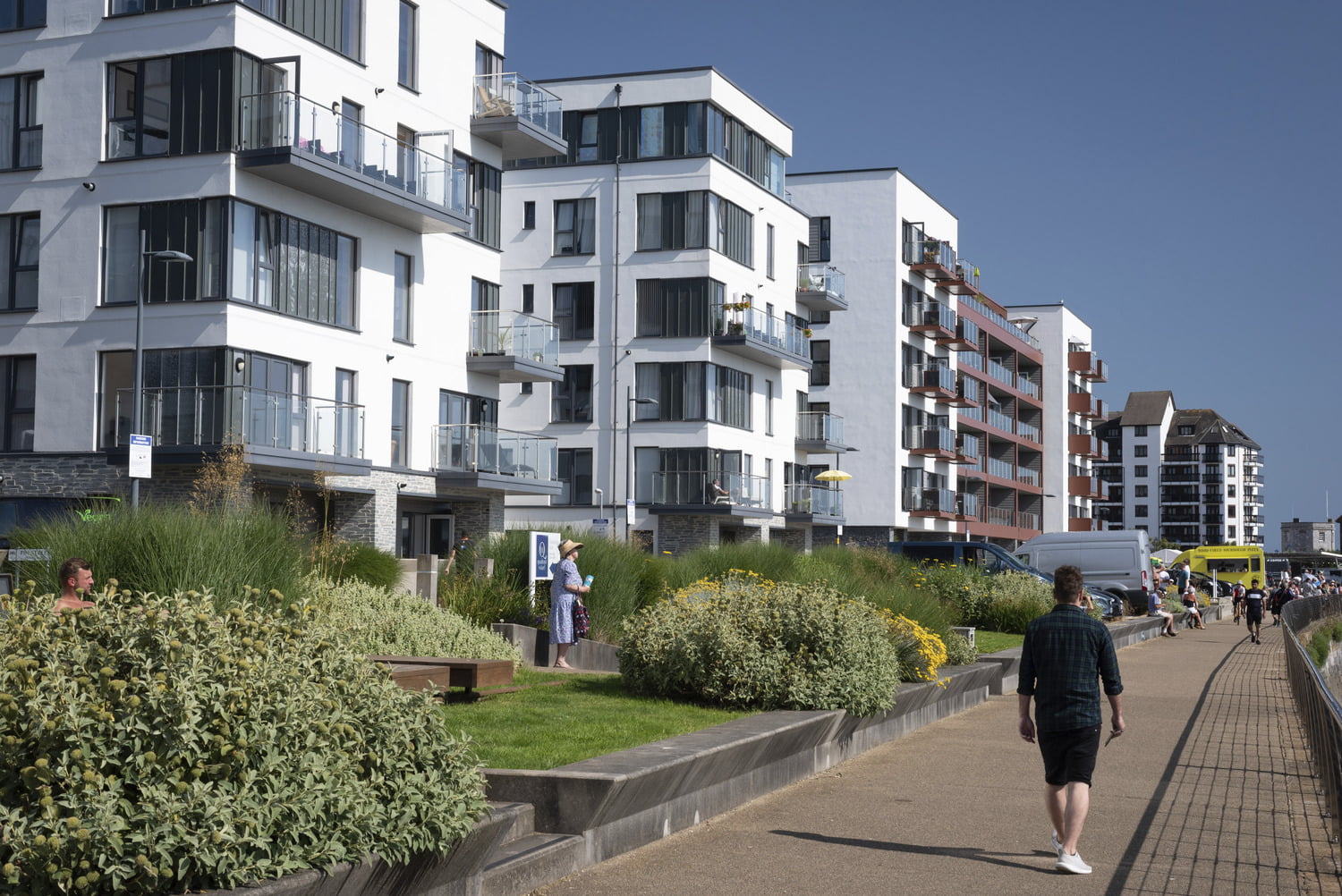
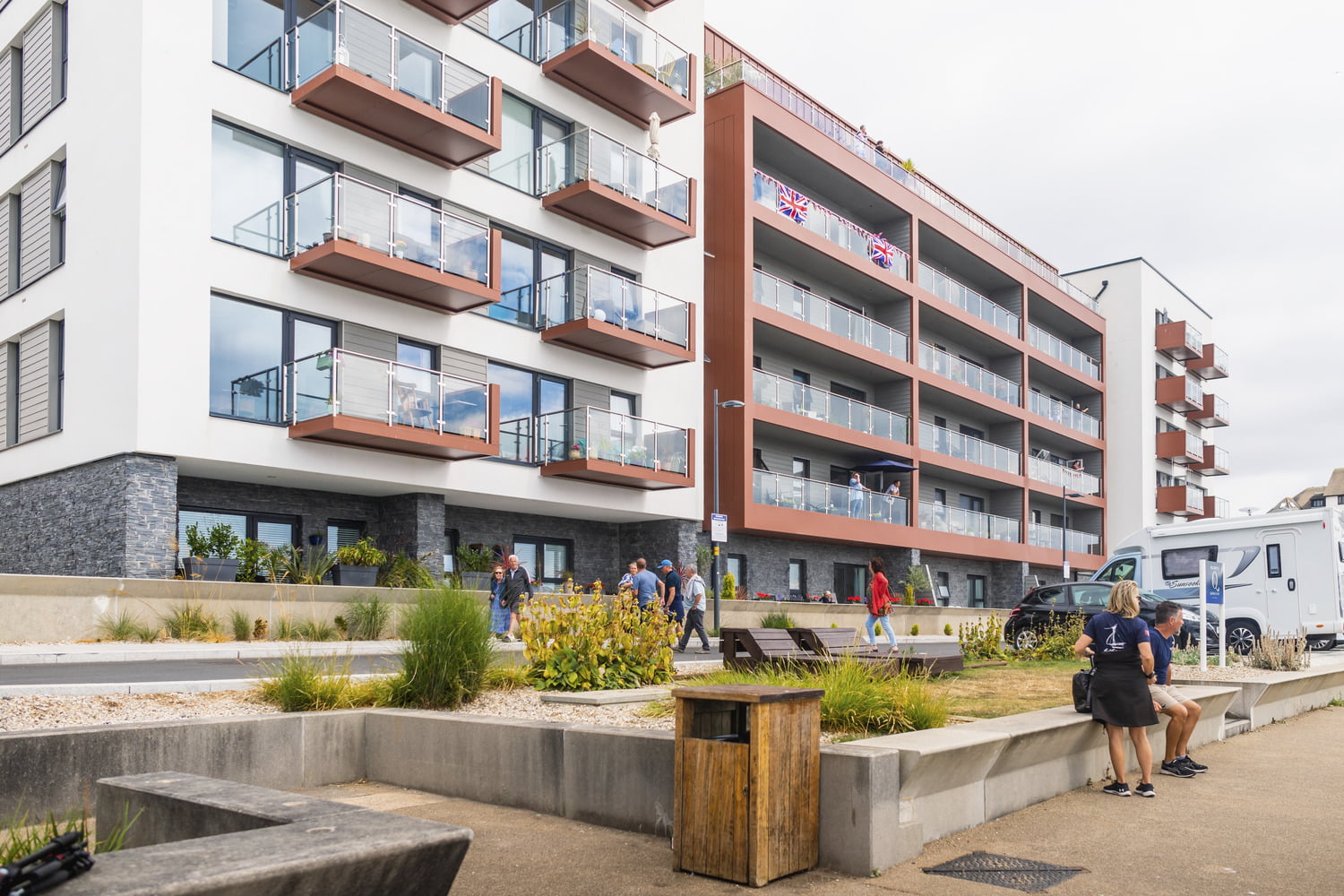
Or in the South where ECF delivered the regeneration of Millbay in Plymouth, which refurbished the historic docks to create over 500 new homes to date alongside a marina, shops, workspaces, and a 1,000-pupil school.
Our work in collaboration with Plymouth Council helped to re-forge a connection between the harbour and the city by creating a distinctly ‘Plymouth’ place which was shaped by voices within the community.
Today, Millbay is vibrant neighbourhood where people live, work, and enjoy. It is a buzzing place for the local community but also a destination for others, attracting international sporting events including Sail GP

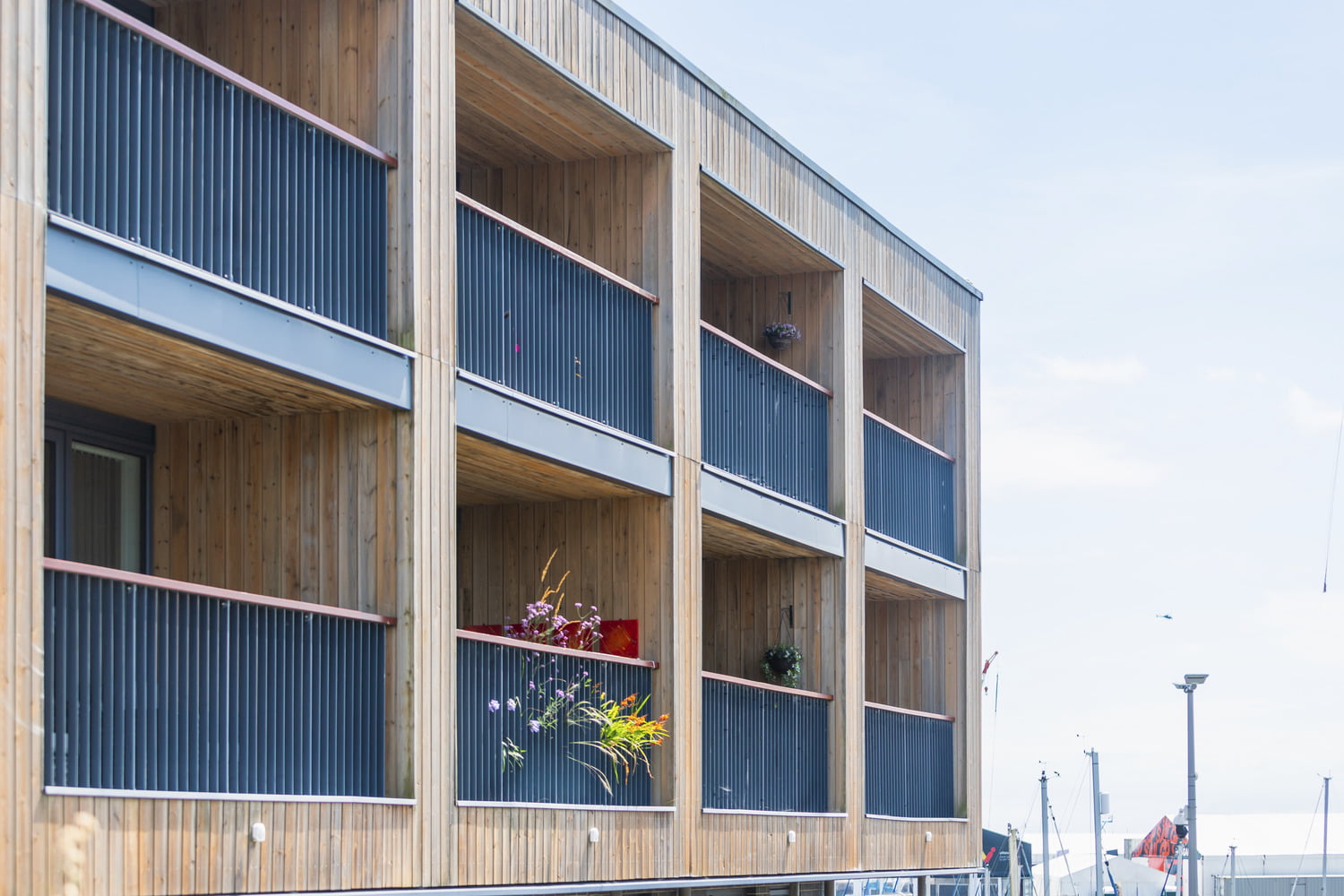

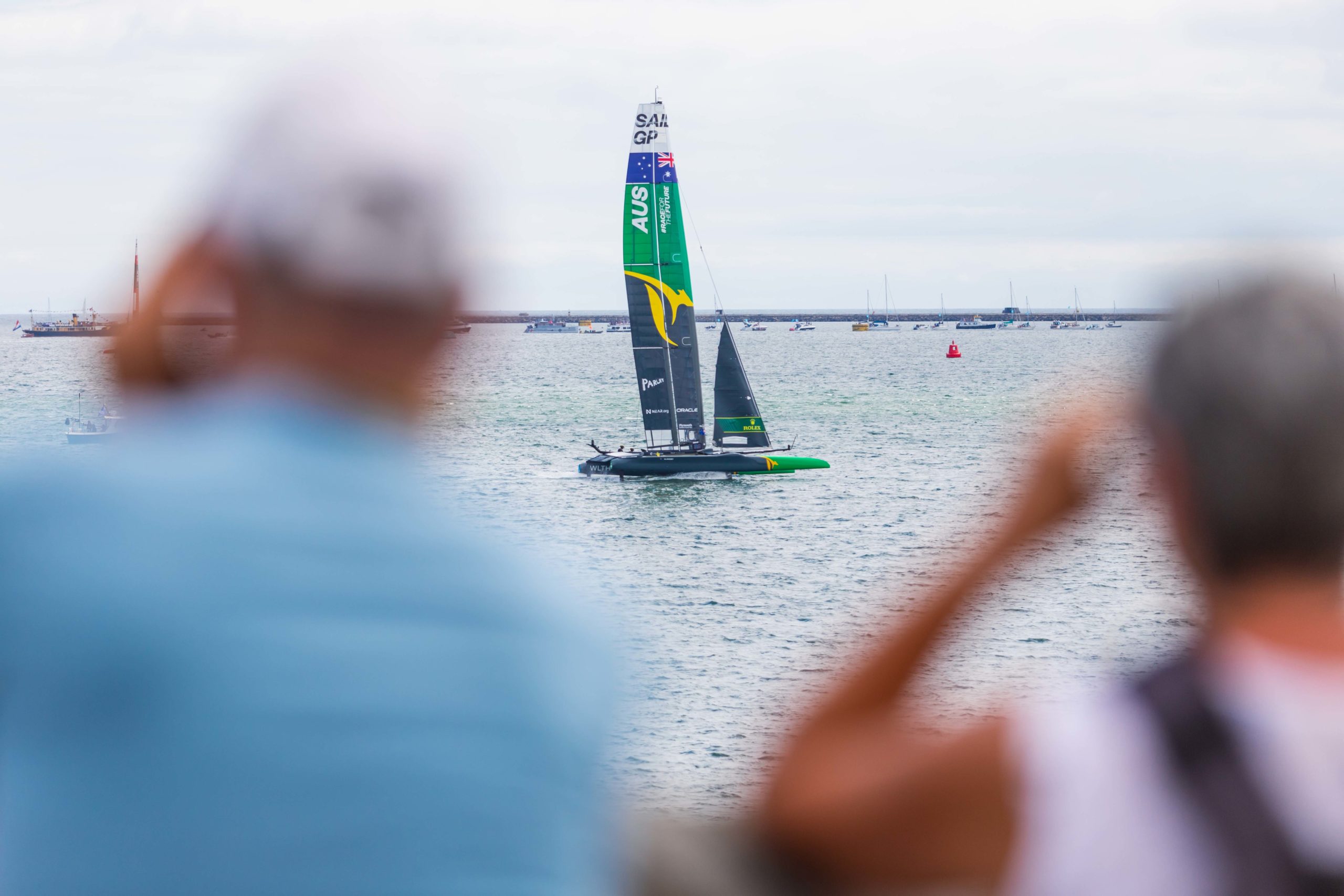



This is all made possible by having honest conversations with our partners about what we can deliver at the outset. We do not focus solely on the numbers – whether it be crowding homes into a place or an over-reliance on unrealistic profit margins. We place more emphasis on creating places and environments that we know people can genuinely live, grow and thrive. Places that are high-quality and built to last. This has underpinned our placemaking pedigree for decades.
Part of this involves being realistic about our measures of success. Working together with local authorities and our joint venture partners enables the risk and reward associated with regeneration to be shared.
It enables us to overcome viability challenges and truly delivers on what we put on the table. We can look to the long-term evolution of Salford through ECF’s £2.5bn Crescent Salford masterplan as evidence of this.
What distinguishes genuine, lasting, placemaking from glossy masterplans is the ability to translate vision into delivery – and very few embody this more than Muse.
We’re at a point in time when we can really make a difference. Many in the industry are recognising this opportunity and are eager to get involved. But the challenge now is to translate ambition into delivery. To convert complexity into clarity. Remain steadfast in turning ambition into action.