What delivering a Platinum customer experience means
09.04.26 3 min read
Emma Coomber is our New Homes and Places Director, where she leads the delivery of residential developments across the UK. Following our recent Platinum Customer Satisfaction Award, Emma reflects on what that recognition means and how our approach to customer experience has evolved over time.
What sits behind the award
At Muse, we focus on building homes where people want to live, not just houses to move into. So we are delighted to have been recognised with a Platinum Customer Satisfaction Award, the highest level of recognition based on independent customer feedback, placing us among the highest performing housebuilders in the UK.
It’s a strong result for the team, but more importantly it gives us a clearer sense of how people feel about the homes and places we deliver.
Expectations have shifted. As delivery increases and the pressure on housing continues, the focus can often fall on numbers. But for the people making our new houses their homes, what matters is much simpler: does everything work from day one, and how are issues handled if it doesn’t?
Improving the basics
Like many others in the sector, there have been times when that experience has not been as consistent as it should be.
Over the past decade, we have worked on improving both the quality of our homes and the experience that comes with them. That has meant focusing on the basics. Making sure homes are ready on day one, and taking a responsive, accountable approach when issues arise.
That is now being delivered consistently.
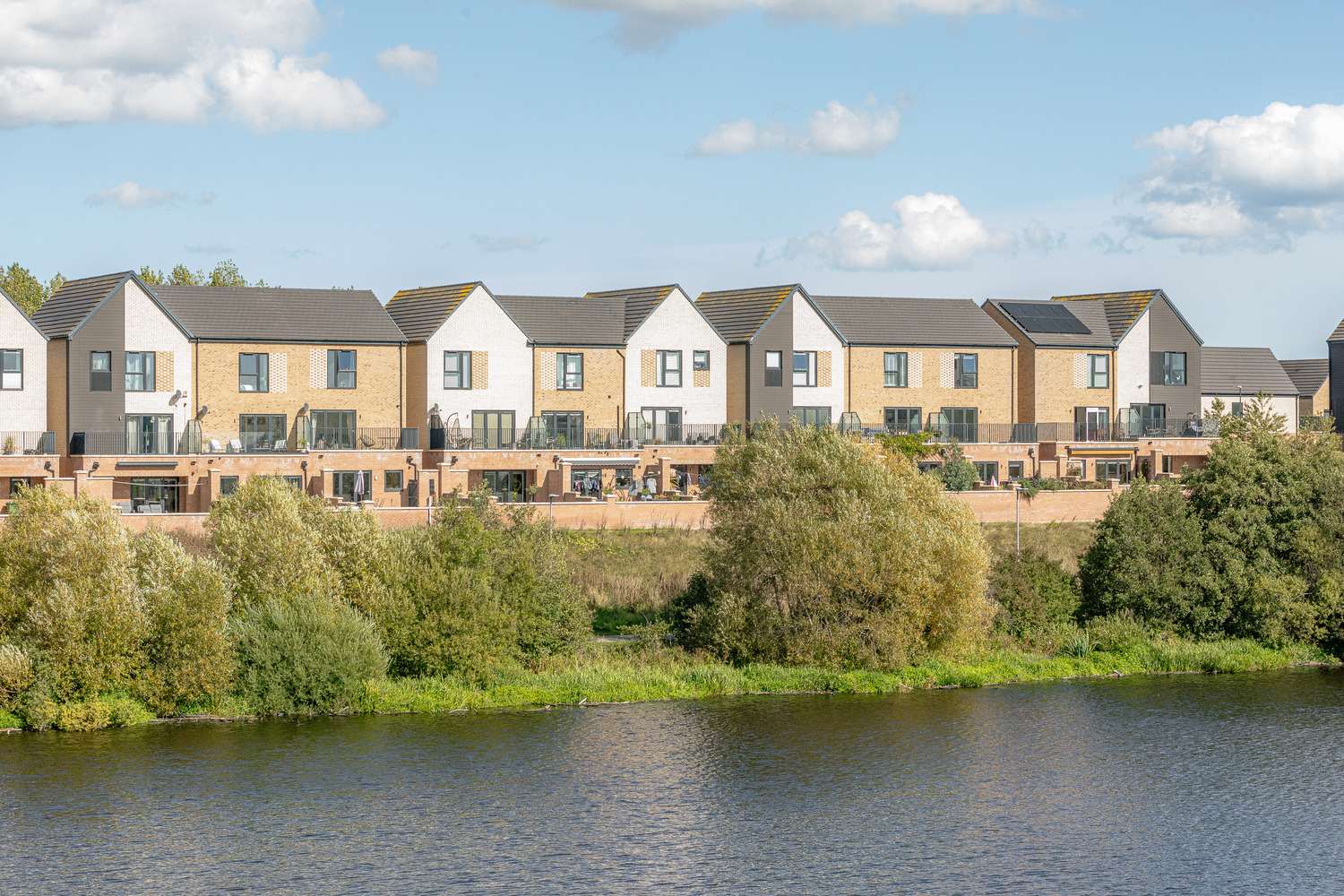
Across recent developments, including Canning Town and Salford, customers have reported low levels of defects at move-in. Most issues have been resolved within the first few weeks of moving in, placing us in the top tier of developers nationally.
That hasn’t come from a single change. It has come from doing a number of things better over time.
Taking ownership of the experience
One of the most important shifts has been bringing customer care and defect management in-house.
Previously, this sat with third parties. In some cases that worked well, but it sometimes created distance between us and our customers. Bringing it in-house has enabled us to
respond more quickly, take full ownership and ensure our values are reflected in how issues are resolved.
It has changed how we see things day to day. We have a clearer picture of where issues arise, how quickly they are resolved and what needs to improve. Over time, that has helped raise standards.
What this means for customers
The difference is not just in the number of defects, but in how homes perform once people move in and how quickly any issues are resolved when they do arise.
Satisfaction with the condition of homes at handover is now among the highest in the sector, and a strong majority of customers say they would recommend us to others.
In practice, that means fewer issues at move-in, quicker resolution where they do arise, and a more straightforward experience overall.
That matters not just in the early weeks, but in building confidence that their home will be a great place to live long term.
Partnership and long-term delivery
Many of our homes are delivered through long-term partnerships, including with ECF, often working with investors and housing providers over many years.
In that context, a consistent customer experience is not a ‘nice to have’. It is fundamental to those relationships and supports the long-term success of the places we help create.
It also reflects the scale of delivery. A relatively small, dedicated team supports a large number of homes across the country, staying close to customers from purchase through to move-in.
That continuity is a key part of how we maintain standards.
A milestone, not an endpoint
The Platinum award is a positive milestone, but it is not an end point.
There is still more to do. We want to make sure every customer feels valued from the outset. As we continue to grow our residential pipeline, maintaining that focus on quality, experience and long-term stewardship will remain central.
Ultimately, success is not just measured by the homes we build, but by how people feel living in the places we create, now and in the years ahead.