Stroudley Walk in Bow: Providing the right homes in the right place
20.04.26 4 min read
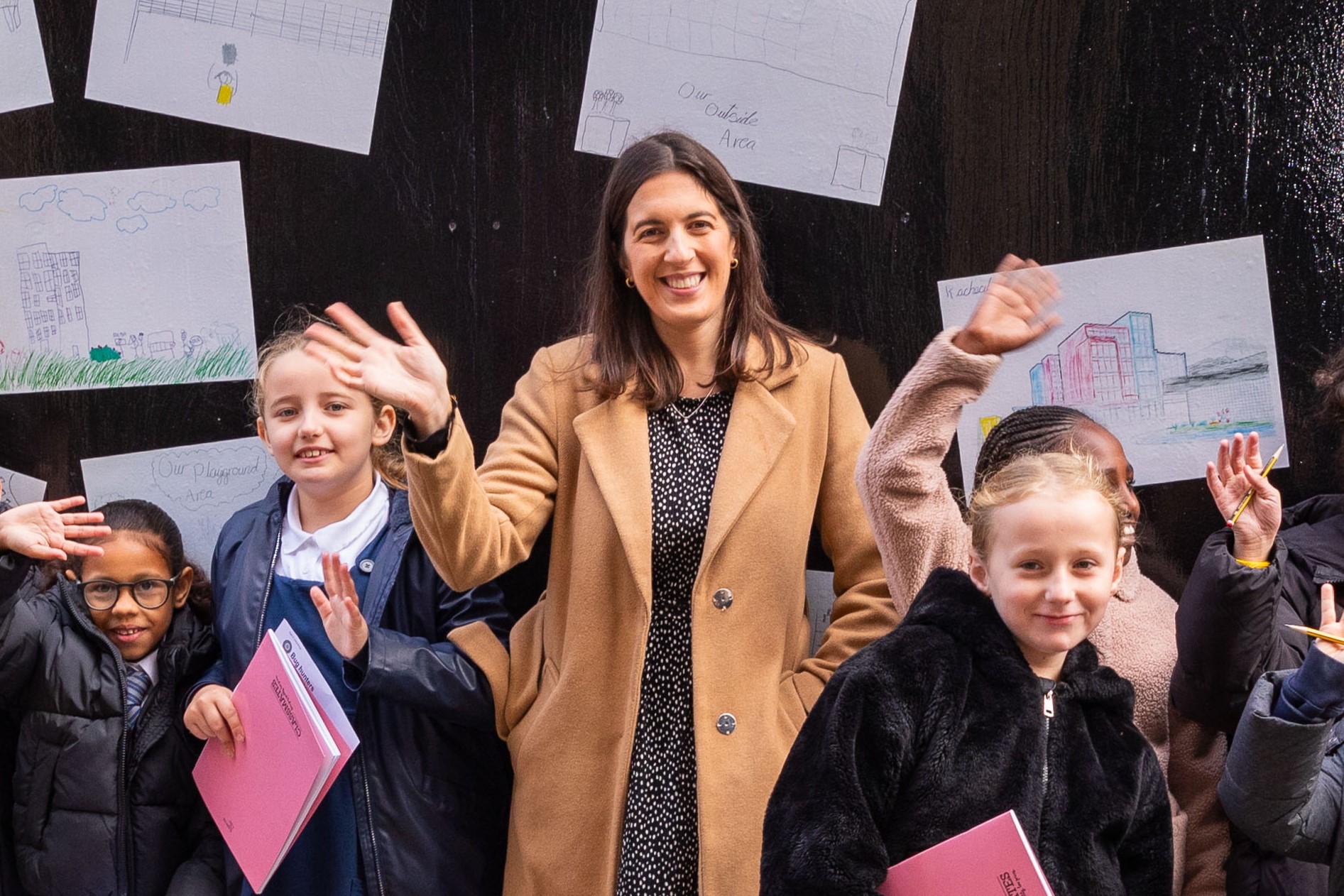
Stroudley Walk, a 274 home, 50% affordable neighbourhood in Bromley-by-Bow delivered by Muse and Poplar HARCA, is due to complete this spring. Here, Isabelle Assante, Development Director at Muse, discusses why housing delivery must move beyond unit-led targets to a needs-led approach focused on creating mixed-tenure, inclusive and well-connected neighbourhoods.
The debate around housing delivery in England too often defaults to a single metric: units. How many homes are we building? Are we hitting targets? But volume alone has never been the full story.
The real question is whether we are building the right homes in the right places for those who need them. The Stroudley Walk neighbourhood in Bromley-by-Bow, which will be delivered in partnership with Poplar HARCA and the GLA and completed this spring, is a strong example of what needs-led housing delivery looks like in practise.
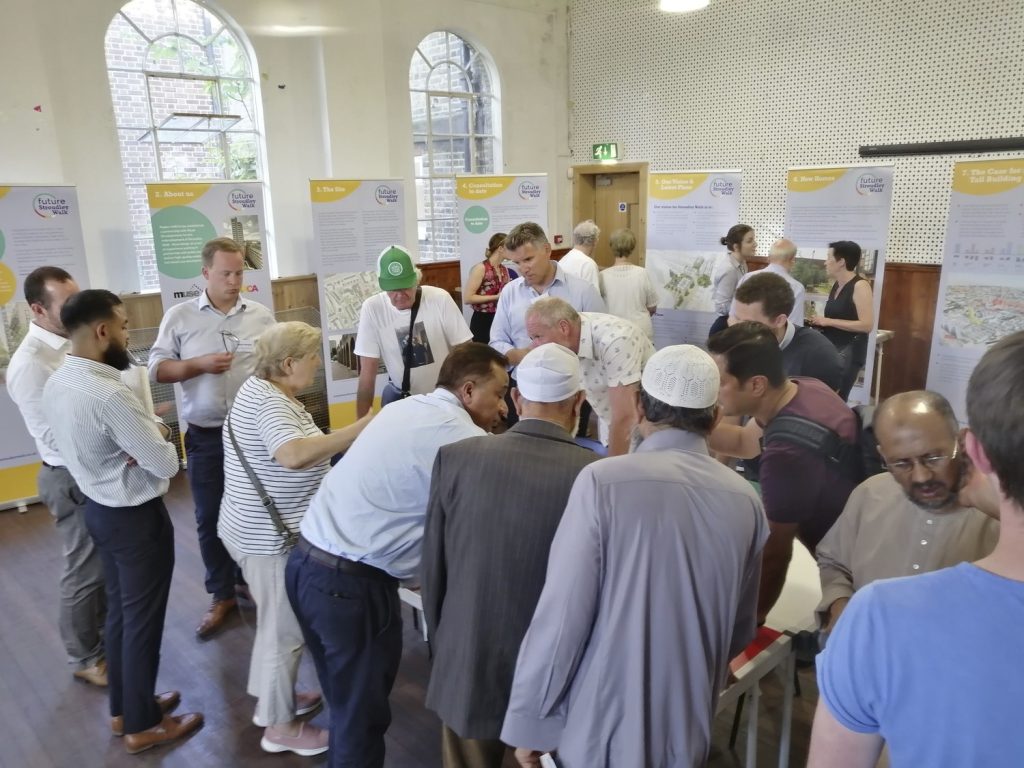
Community conversation, taking place in Bromley-by-Bow
Stroudley Walk will deliver 274 homes at 50% affordable, with a mix of sizes designed to meet different needs. This includes a significant number of affordable three-bedroom family homes, alongside a combination of affordable rent and shared ownership. Together, this mix supports households at different life stages and in a range of circumstances.
The housing situation in London is not simply a shortfall in units; it is a lack of affordable and family-sized homes, in tenures that reflect how people live. In Tower Hamlets, where over 15,800 people live in overcrowded conditions and 28,469 households are on the housing waiting list, the demand for genuinely family-sized housing is clear. In response to this need, we delivered the affordable three-bedroom homes first, which are now fully occupied.
We worked closely with local residents and Poplar HARCA to understand what the community needed from a new neighbourhood, looking beyond housing numbers to the wider ecosystem that supports everyday life. This included safe, welcoming public spaces, play areas, local services and social infrastructure that supports wellbeing and connection.
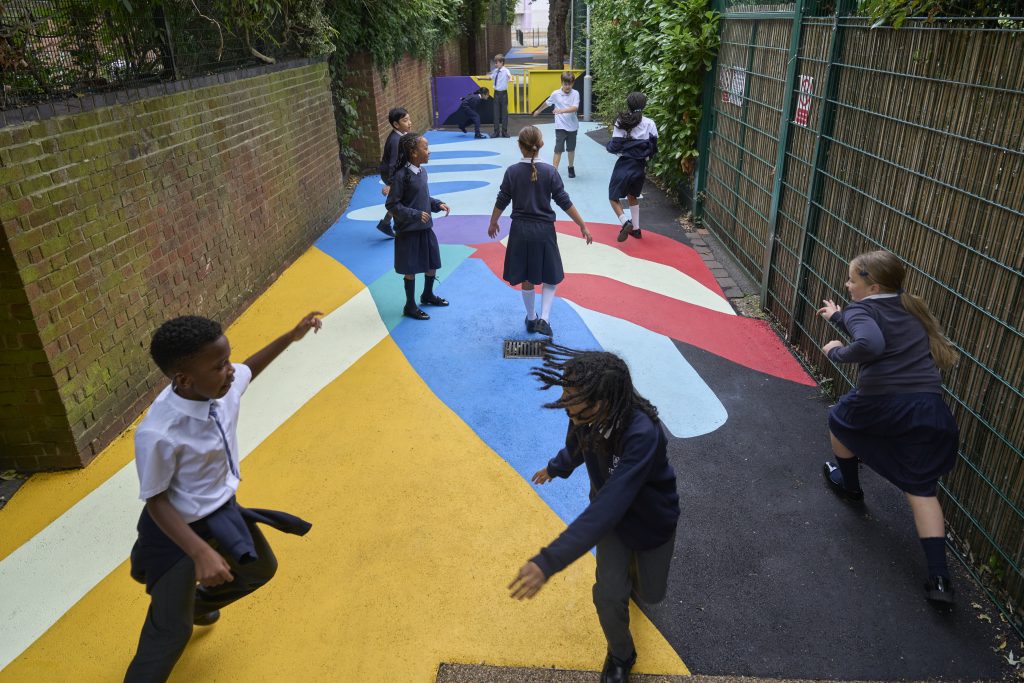
Children from local primary school, St Agnes Primary, enjoying the new mural they designed with Muse, and Bow Arts Trust
This approach allowed us to shape a neighbourhood that feels part of the existing area rather than imposed on it. Somewhere people can build routines, relationships and a sense of belonging and where quality of life is shaped as much by the surroundings as by the homes themselves.
Early local needs analysis also highlighted many families on the housing waiting list with children with autism. Two affordable homes were co-designed with these families, influencing layout, storage, acoustics and access to outdoor space, while 10% of homes are fully wheelchair accessible. These decisions reflect early thinking about residents’ needs and how to support them to thrive.
Through partnership working and a community focused approach to placemaking, we are transforming a site which was stood vacant for many years into a thriving community. Central to this is the reinstated pedestrian thoroughfare – once an important but unsafe route – now redesigned as a safe, active and welcoming connection. Lined with homes, ground-floor retail, a community café and new green spaces, it brings movement, visibility and connectivity back to the heart of the estate.
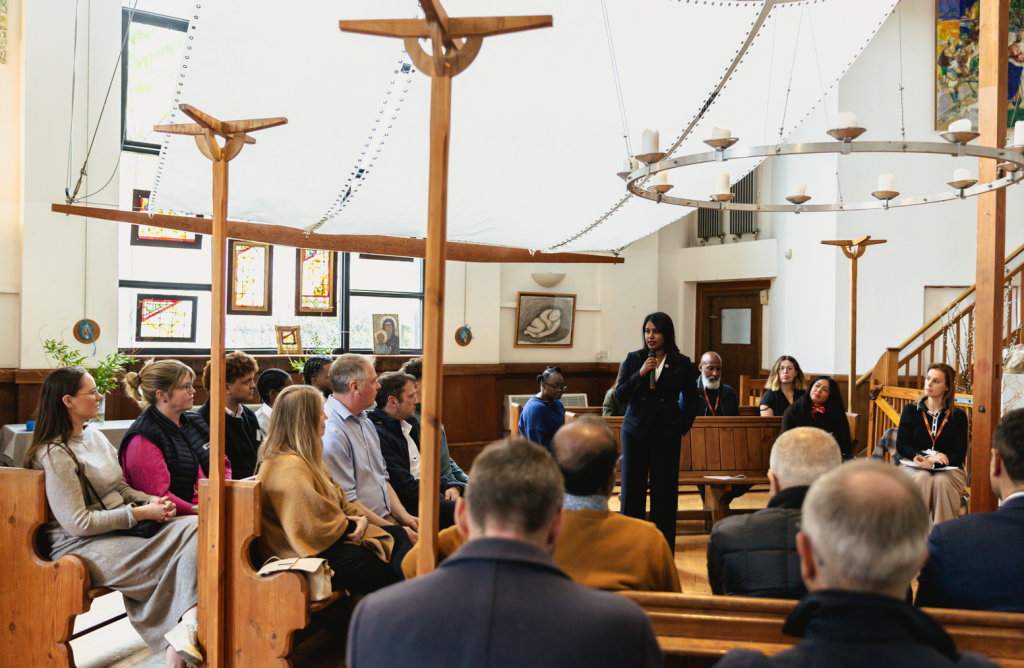
MP Uma Kumaran for Stratford & Bow, speaking at the local community centre in Bow
Ensuring homes are well connected does not just benefit individual residents. It reduces car dependency, supports active travel and creates opportunities for more sustainable living. Stroudley Walk is car-free and all-electric, with high-performance glazing, heat pumps and solar panels expected to deliver carbon savings of 60% above minimum building regulations.
Stroudley Walk will not solve the housing crisis on its own, but it offers a useful model for what successful placemaking looks like: homes for a range of tenures and household types, affordable provision at genuine scale, community infrastructure that supports everyday life, a connected and sustainable community, and delivery structures built on long-term partnership.
As the pressure to build more homes intensifies, this model will be paramount. The question is not just how many homes: it is who for, what kind, and where.