Beyond the red line: Why successful regeneration starts with the wider neighbourhood
10.03.26 4 min read
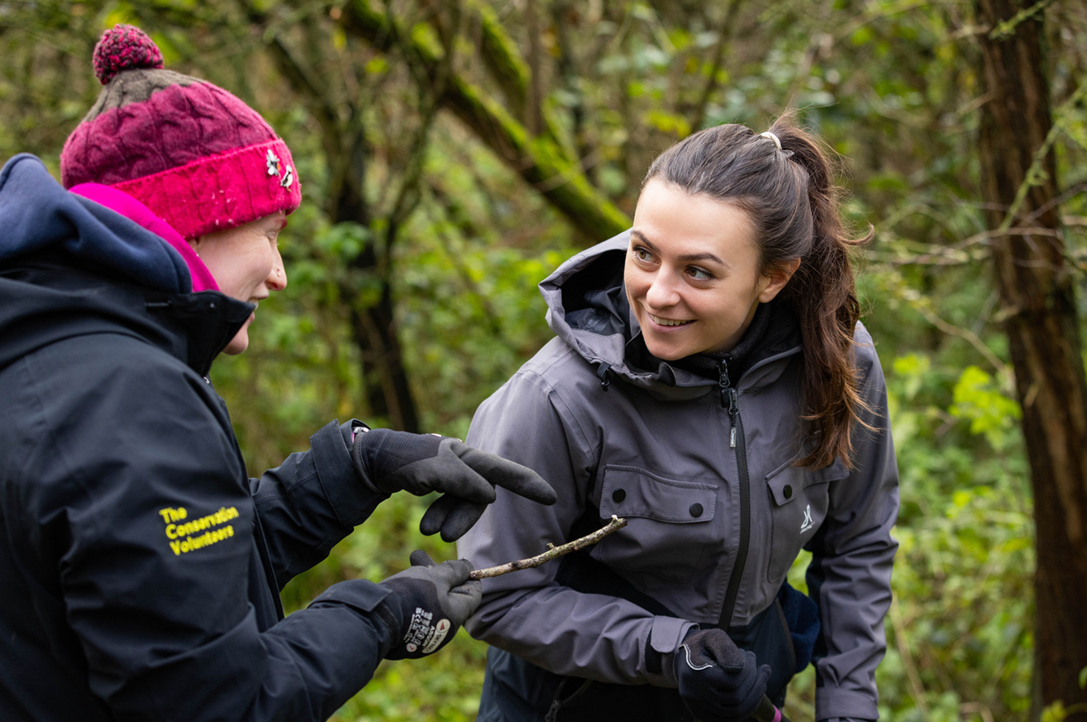
Whilst every masterplan is drawn within a defined red line, successful regeneration should never be limited by it.
The real test of a new place is not simply what is delivered – new homes, workplaces and public spaces – but the long-term impact it has on the neighbourhood and the wider community around it.
At Muse, regeneration is guided by what we call a “beyond the red line” approach. It recognises that development can and should act as a catalyst for broader social, economic and environmental value across an entire town or neighbourhood, not just within the confines of a planning boundary. Muse works closely with its local authority partners to ensure places benefit local people and helps to unlock further investment and opportunity in the wider area.
This mindset starts long before construction begins. Successful regeneration must begin with a clear understanding of local priorities.
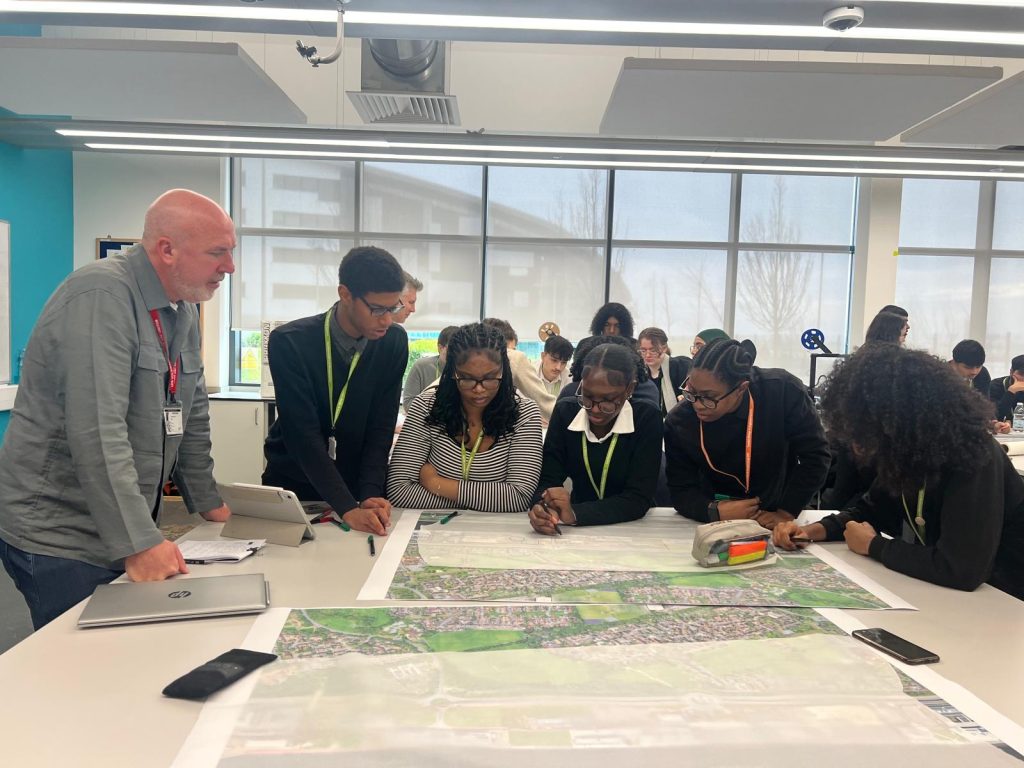
Community engagement with London Design & Engineering College
In practise, that means a detailed local needs analysis and meaningful engagement from the earliest stages. Working closely with local authorities, community groups and residents allows developers to build a detailed picture of the challenges and opportunities in a place. It helps identify the issues that matter most to people, whether that is access to green space, safer streets, employment opportunities, stronger transport links or better community facilities.
Listening early also helps shape places that feel rooted in their surroundings rather than imposed on them. Communities are far more likely to support regeneration when they can see their voices reflected in the design and purpose of the development.
One of the clearest examples of thinking beyond the boundary is connectivity. Regeneration is rarely successful in isolation; it must be integrated with the surrounding urban fabric. That means considering both how people move within a neighbourhood and between that place and the wider city.
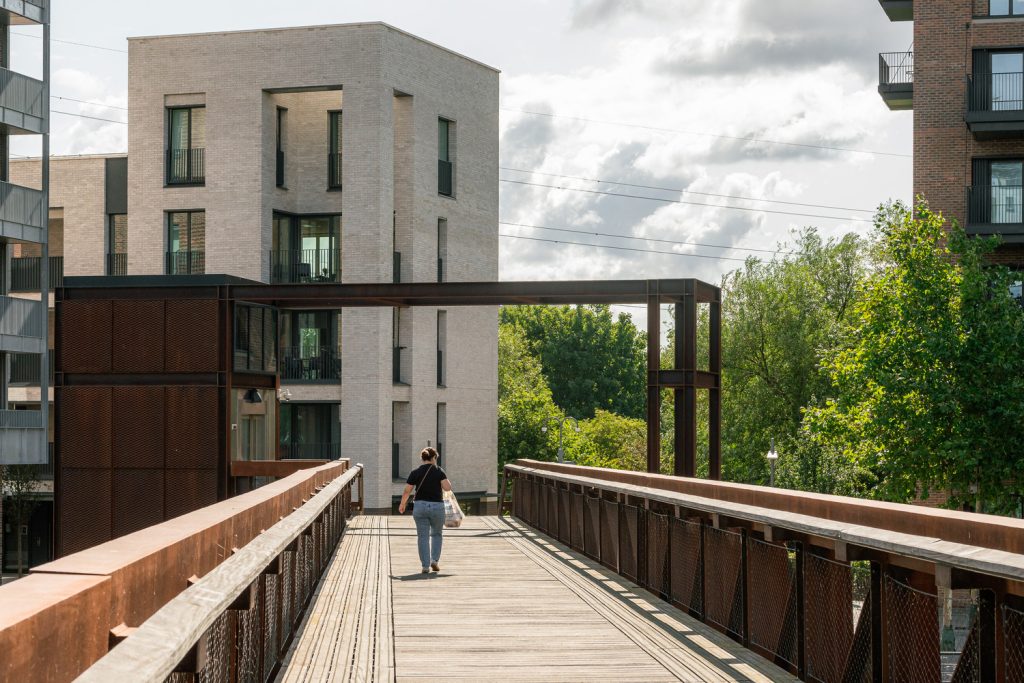
New bridge installed at Hale Wharf in Tottenham.
Internal connectivity through walkable streets, accessible public spaces and safe active travel routes helps create neighbourhoods that are easy and enjoyable to live in. Strong links to public transport, road networks and surrounding districts ensure that new places are fully integrated into the wider economy and community.
The impact of this approach can be seen in places such as Lewisham Gateway in south-east London. The 20-year regeneration fundamentally reshaped the town centre by uncovering two rivers and removing a major roundabout that had long separated the high street from Lewisham train station and the DLR. By improving connectivity and creating new public spaces alongside homes and commercial uses, the transformation has helped reconnect the town centre and attract further investment, with over £1.3bn of additional development planned in the wider area.
At Hale Wharf in Tottenham, Muse worked with partners to transform a previously underused waterside area into a thriving neighbourhood while reconnecting the community with the natural environment of the canal. Green walkways, floating reed beds and improved access to the waterside have helped integrate biodiversity, public access and new homes into a single cohesive place.
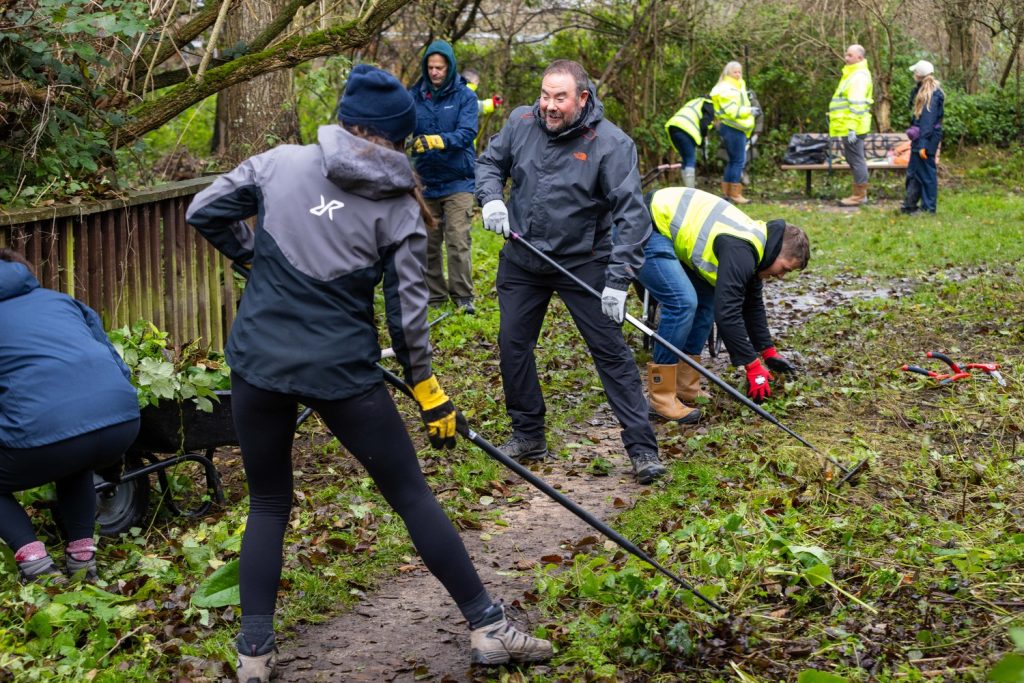
Muse and McLaren Construction volunteering at The Paddock nature reserve in Tottenham, in preparation for opening to the public.
Regeneration can also extend beyond the red line through its contribution to local economies and cultural life. At Wapping Wharf in Bristol, Muse, in partnership with Umberslade, delivered a vibrant waterfront neighbourhood overlooking the city’s historic Floating Harbour. Alongside new homes and workspace, Wapping Wharf created opportunities for independent businesses, creatives and SMEs. The result is a thriving destination that contributes to the wider cultural and economic life of the city. In this way, regeneration can support local economies and reinforce the identity of a place, rather than simply adding new buildings.
Social value means ensuring developments respond directly to local needs. At Stroudley Walk in Tower Hamlets, we worked closely with our partners at Poplar HARCA, as well as Tower Hamlets, to identify key needs such as affordable three-bed homes and homes for families with children with autism. This allowed us to go beyond just housing delivery but delivery of the right housing for the community it serves.
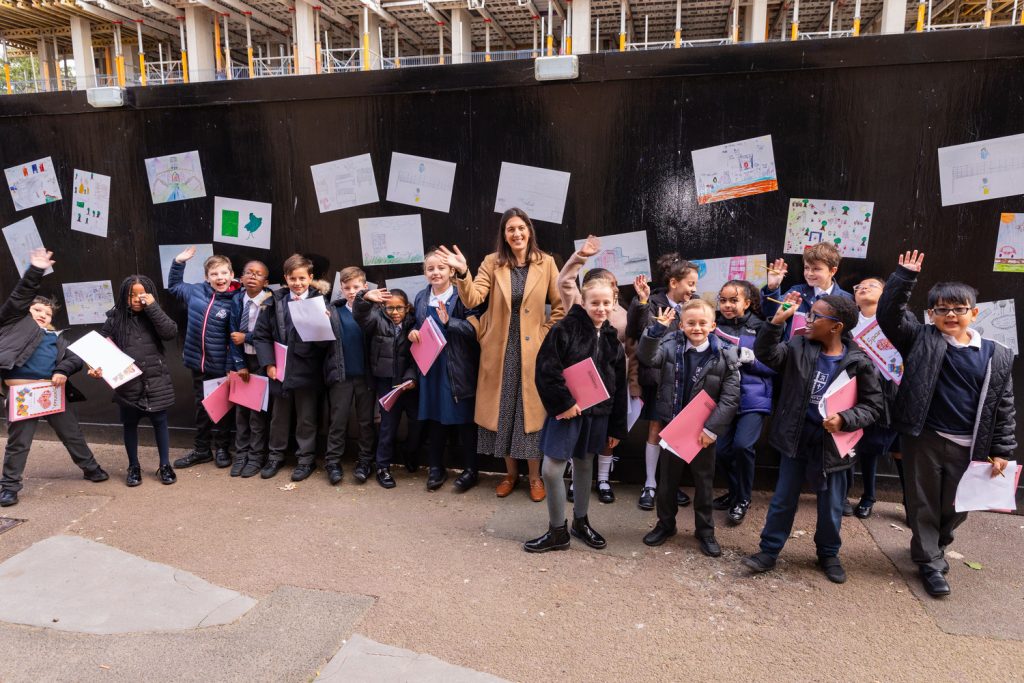
Muse hosting a design workshop at St Agnes Primary School in Bromley-by-Bow.
Planning mechanisms such as Section 106 agreements play an important role in delivering these outcomes. When aligned with the priorities identified through engagement, they help channel investment into schools, healthcare facilities, training programmes, and community infrastructure.
But, delivering meaningful social value requires more than simply meeting planning obligations. It depends on genuine collaboration between developers, councils, local organisations and community leaders to ensure that regeneration aligns with long-term ambitions.
Long-term partnerships are particularly important in this context. Regeneration can often span 15 to 20 years, which means developers and public sector partners are deeply invested in the long-term success of the places they are creating.
When that partnership works well, regeneration becomes a catalyst for wider change. By improving connectivity, creating welcoming public spaces and delivering homes that meet local needs, developments can help unlock opportunities far beyond their immediate boundaries.