Delivering affordable homes in London at UKREiiF
10.06.26 4 min read
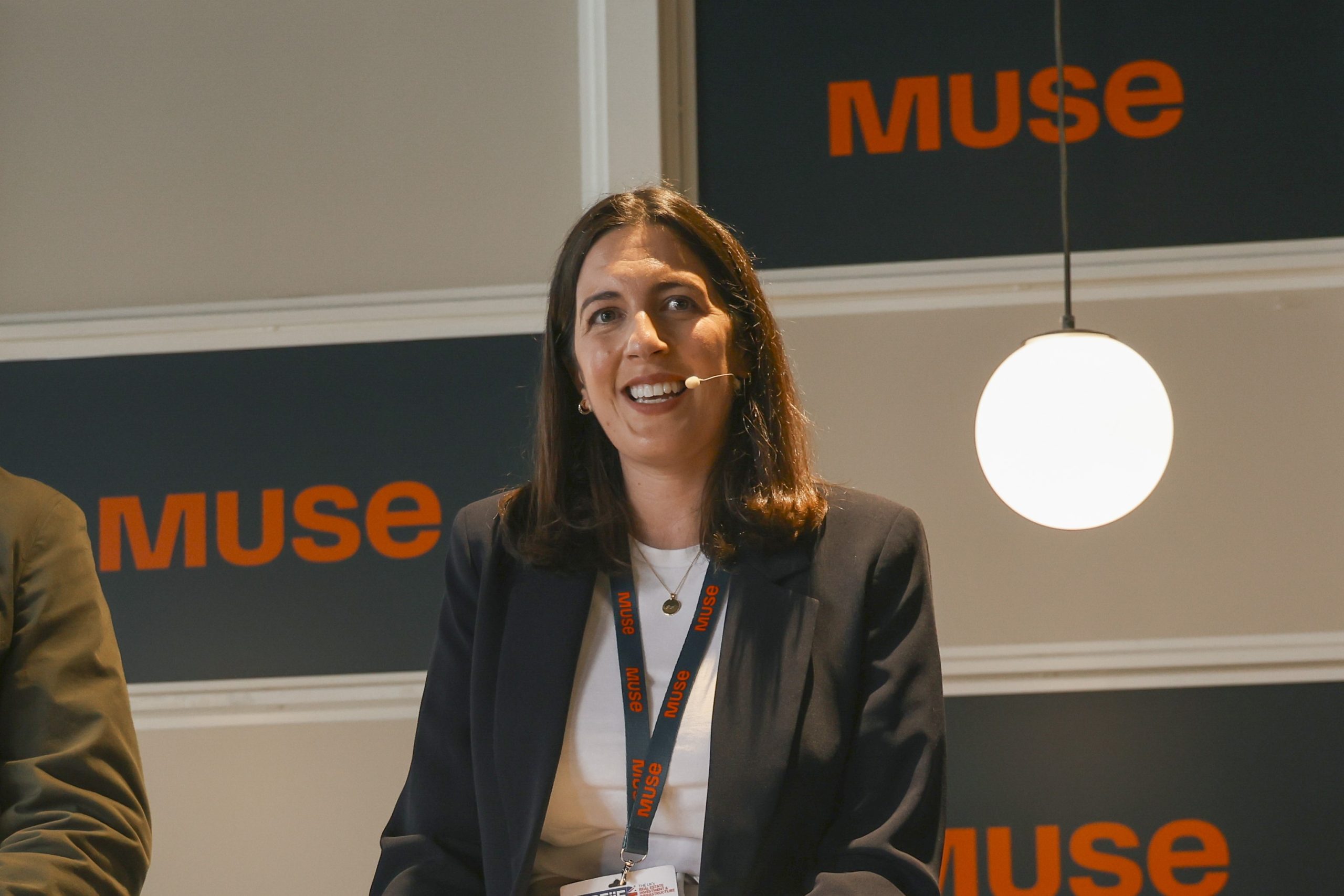
London’s affordable housing crisis didn’t happen overnight, and it won’t be solved by a single policy or institution alone.
That was the clear message from our panel on delivering affordable homes in London at UKREiiF.
The session brought together Isabelle Asante, Muse’s Development Director, alongside Robbie Erbmann, Deputy Leader of the London Borough of Haringey, Matt Morgan from the Quality of Life Foundation and Ximena Redfern Tongs of Pension Insurance Corporation, chaired by Helen Collins of Avison Young.
The GLA’s emergency measures, which temporarily reduce the affordable housing requirement in London from 35% to 20%, are a pragmatic short-term response to the current viability crisis. But the panel was clear: 20% should be treated as a floor, not a ceiling, if we’re going to deliver the right types of houses in the right locations. Cutting this target doesn’t address the most significant underlying threats to viability, including land cost, remediation, infrastructure, planning complexity, and the absence of long-term grant funding at scale.
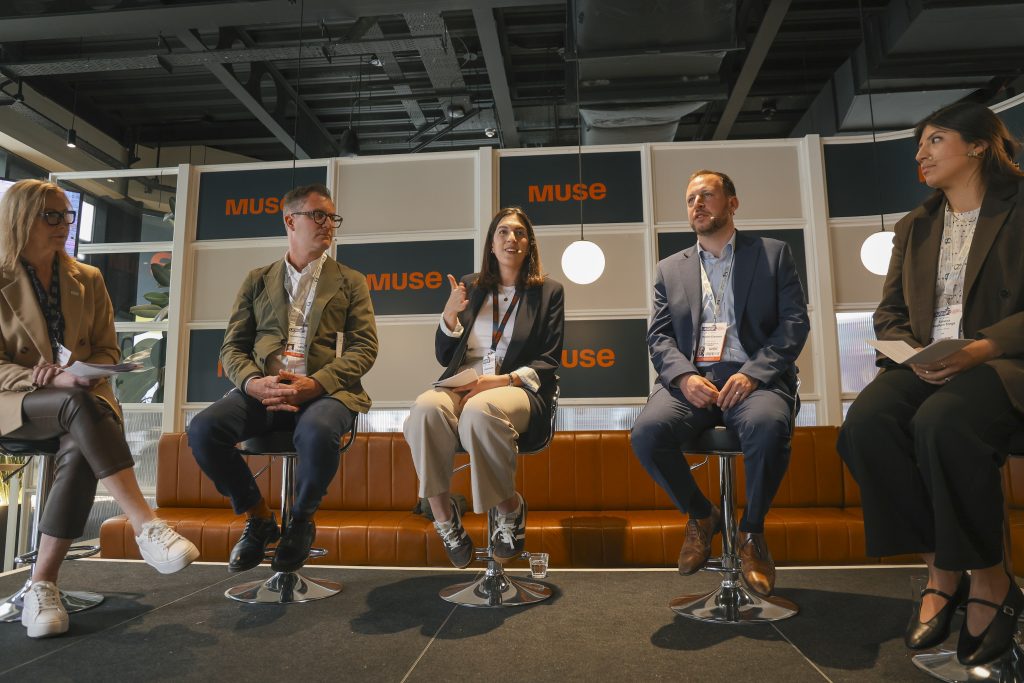
Affordable homes panel session at UKREiiF 2026
What we shared
Isabelle Asante opened by challenging the assumption that high levels of affordable housing are simply undeliverable on London’s brownfield sites. A strong example of this is the newly completed 50% affordable neighbourhood Stroudley Walk, and the 50% affordable Manor Road Quarter in Canning Town, which are both complex brownfield developments. The question, Isabelle argued, is not whether affordable neighbourhoods can be delivered, but what conditions make this possible, and why those factors are not more widespread.
Hale Wharf in Tottenham was held up as a case study of what genuine partnerships can achieve in terms of affordable housing delivery. 505 new homes were created on a physically isolated waterside island, 191 of which are affordable and now owned and managed by Haringey Council. Muse also delivered three new pedestrian bridges, and the restoration of a neglected nature reserve. Isabelle described how the project set itself two challenges simultaneously: how to deliver quality, affordable homes on a difficult site, and how to give the community back its waterfront. The answer to both was partnerships. Muse worked through its Waterside Places joint venture with the Canal and River Trust to deliver a peaceful waterside habitat for people and nature.
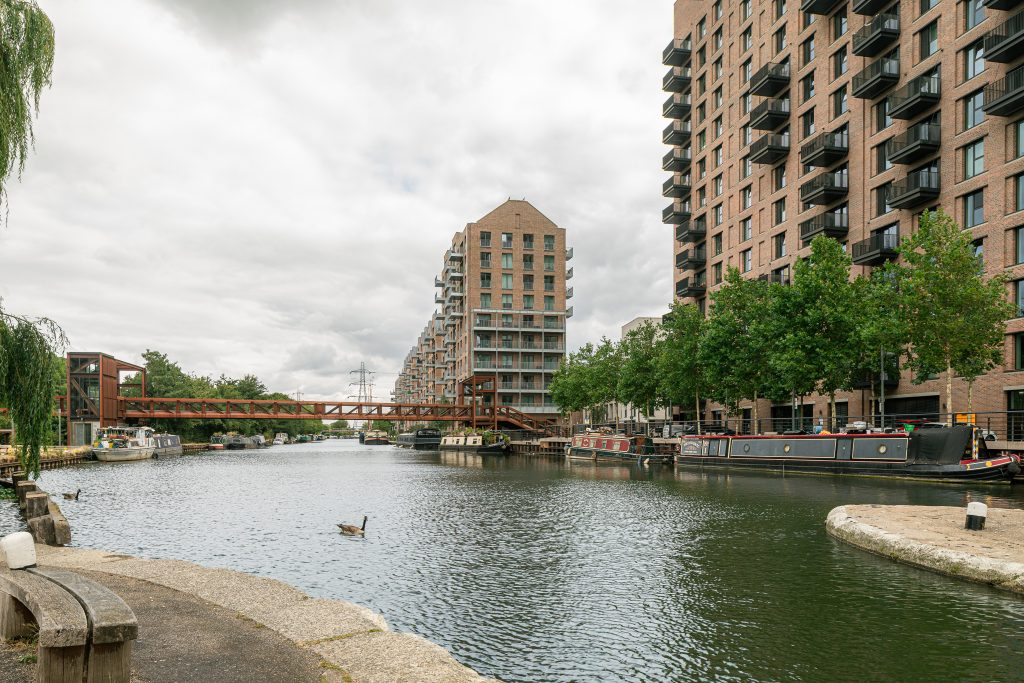
Hale Wharf, Tottenham 50% affordable housing
What we heard
Robbie Erbmann spoke to the scale of need, with 13,000 households currently on Haringey’s housing waiting list alone. The council chose to acquire all six affordable buildings at Hale Wharf as its long-term steward. That model of direct council ownership, he argued, is powerful when the council has both the conviction and the partnerships in place to support it.
The panel explored what political change, including Haringey’s recent shift to no overall control, means for long-term, affordable regeneration programmes. The shared view was that schemes structured with communities from the outset, designed with people rather than just for them, are resilient to changes in political leadership.
Ximena Redfern Tongs set out what institutional capital needs to see before it can commit to delivering affordable homes: long-term tenure certainty, planning clarity and the right partnership structures. Pension Insurance Corporation’s launch of Verda Living, its new for-profit registered provider, means that it can now act as developer, funder and long-term RP within a single structure, reducing the barrier between capital and the delivery of affordable homes.
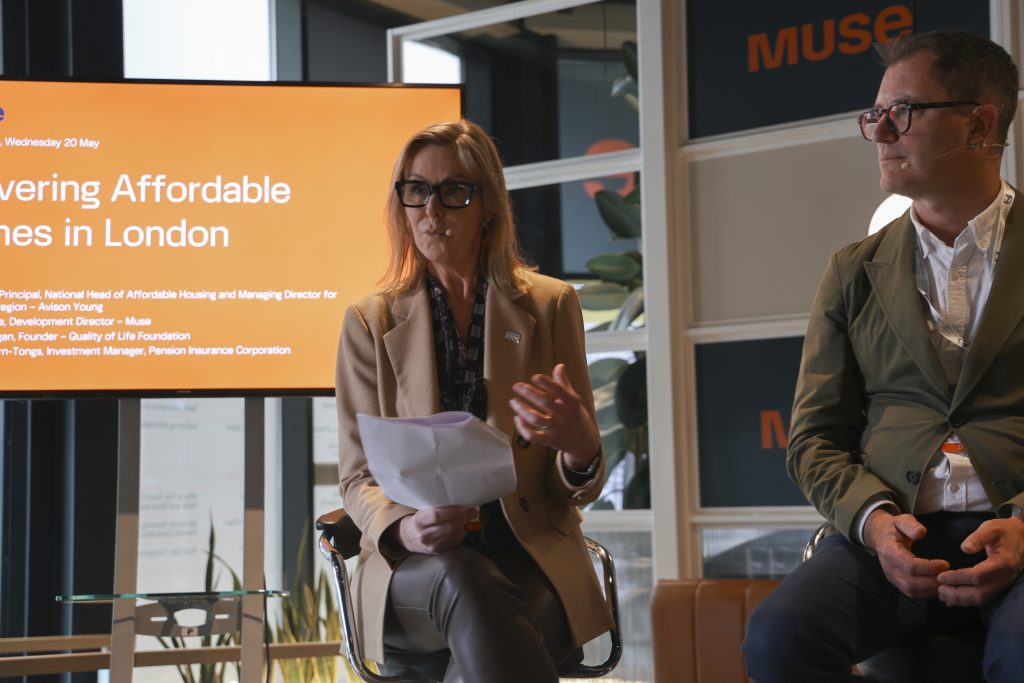
Helen Collins, Principal & Managing Director - Avison Young
Habiko, the joint venture between Muse, Pension Insurance Corporation and Homes England which is targeting a minimum of 75% affordable homes, was also discussed as a potential template for London, with the panel exploring what would be needed to make that model work given London’s specific viability challenges.
Matt Morgan brought the Quality of Life Foundation’s perspective on what is at stake: not units delivered, but whether the people who live in them are better off. Community infrastructure, including public realm, play space, ground floor uses and connectivity, is not a nice-to-have. It is inseparable from affordable housing, and the cost of not investing in it shows up in physical and mental health, in public services and in social cohesion.
The panel was clear that delivering affordable housing at scale and delivering the community infrastructure that makes for happy, healthy places are not separate ambitions. The question is who pays for it, and how. This is where partners like Muse, and models like Habiko come into their own. By convening the right partners and taking a long-term, phased approach to delivery, placemaking is never treated as an afterthought.
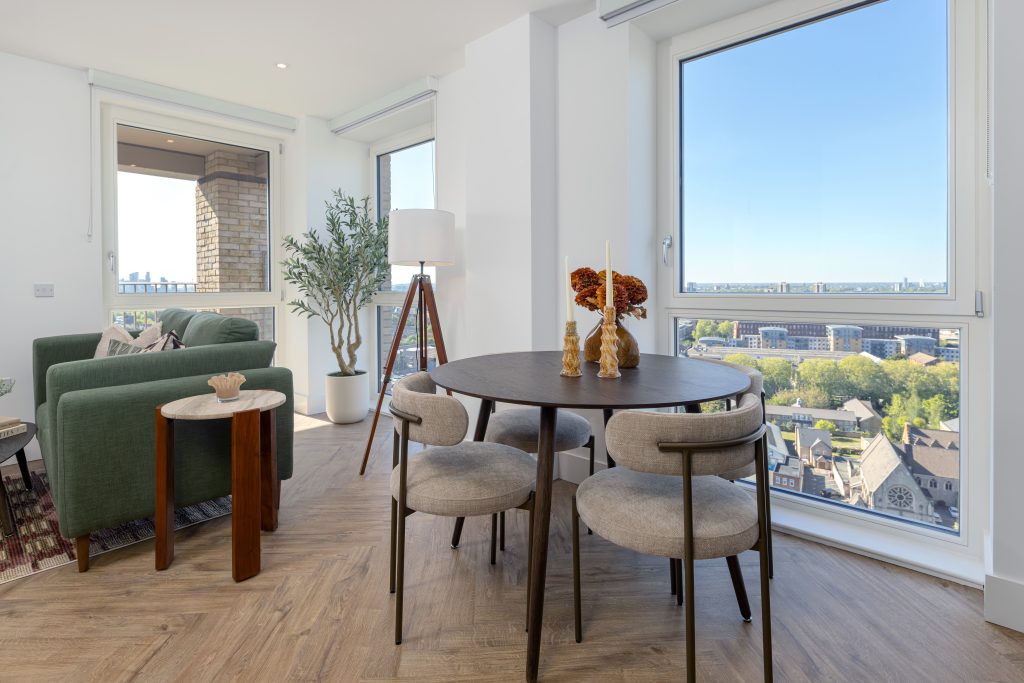
Stroudley Walk, Bromley-by-Bow 50% affordable housing
What we took away
For Muse, the session reinforced convictions we have built over more than four decades of large-scale regeneration. Delivering affordable homes in London at scale requires patience, long-term partnership structures and a willingness to be flexible in the face of change without compromising on quality and vision. The financing tools are there. The frameworks exist. What turns them into places people are proud to live in is the depth of partnership behind them.
As Isabelle put it on the panel: Muse approaches every partnership knowing it can be done. The question is never whether. It is always how.