Highlights from Our UKREiiF Southern Panels
10.06.26 3 min read
A week at UKREiiF: what we shared, what we heard and what it means
UKREiiF 2026 brought together the people and organisations shaping the built environment for the next generation. For Muse, it was one of our biggest years at the conference, with six panels from our Southern teams across two days, covering affordable housing in London, station-led regeneration, coastal communities, the role of the master developer and the future of Bristol Temple Quarter.
The sessions covered a lot of ground, but the same arguments surfaced on the underlying challenges and opportunities for regeneration and growth in the UK.
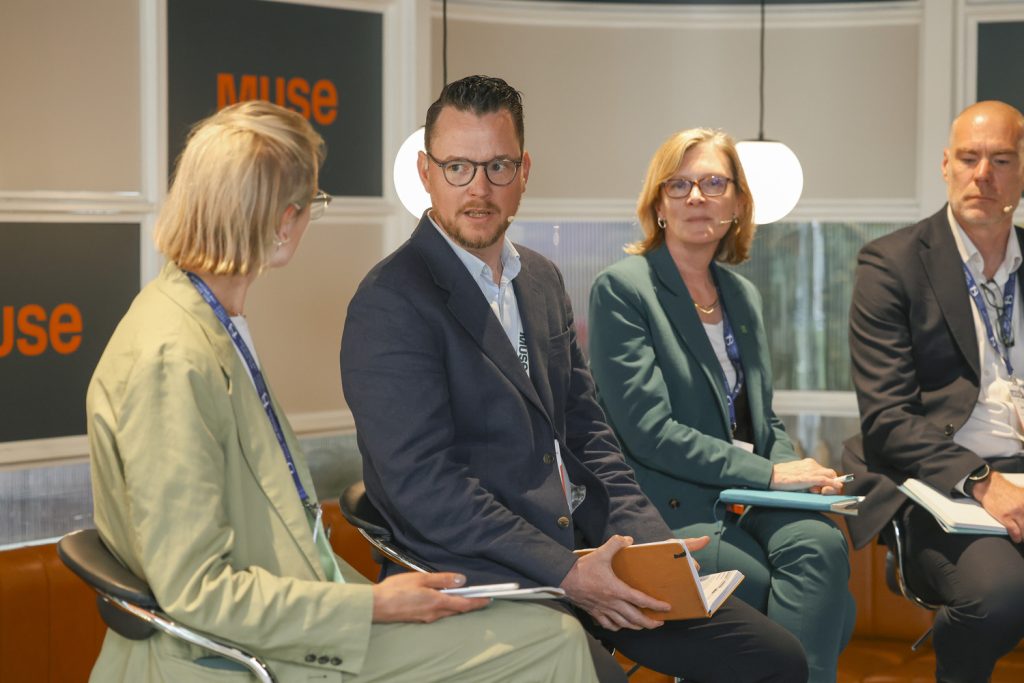
James Stockdale, Development Director - Muse, Tracey Lee, Chief Exec - Plymouth City Council
Partnerships to unlock long-term viability
Every panel returned to this. Whether the conversation was about delivering 50% affordable homes in Bromley-by-Bow, unlocking an unused waterfront in Plymouth or building a global innovation district in Bristol, the conclusion was the same: no single organisation can do this alone.
ECF, Muse’s 25-year partnership with Legal & General and Homes England, was held up as proof that this model works across political and economic cycles. Habiko, the most recent joint venture with Pension Insurance Corporation and Homes England targeting a minimum of 75% affordable homes, represents the next iteration of this thinking.
The importance of partnerships was also reinforced during the session on station-led regeneration. These are some of the most complex partnerships, which require close and ongoing collaboration between the public and private sector. For partnerships of this scale and complexity to succeed, the vision must be clear and established from the start. This means that design quality and ambition aren’t compromised when obstacles arise.
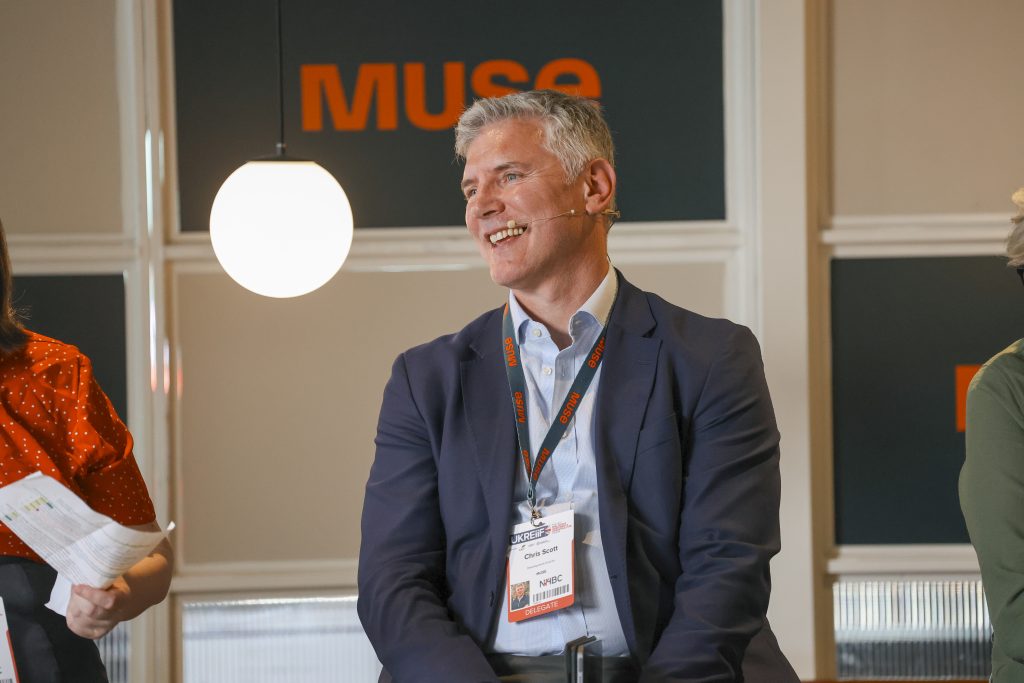
Chris Scott, Development Director - Muse
Patient and long-term thinking
Sir Michael Lyons made the case for “patient effort”, or a large-scale, long-term approach to the master development role. Though there are few players that take this approach, it’s essential to unlock the scale of housing development needed on urban sites in the UK.
This long-term and patient view should also consider the challenges of a brownfield first approach. Despite the benefits in terms of sustainability and efficient land use, there are certain cost trade-offs that have to be accepted first, as brownfield land is expensive, often contaminated, infrastructure-heavy and structurally unviable without patient capital and the right partnerships.
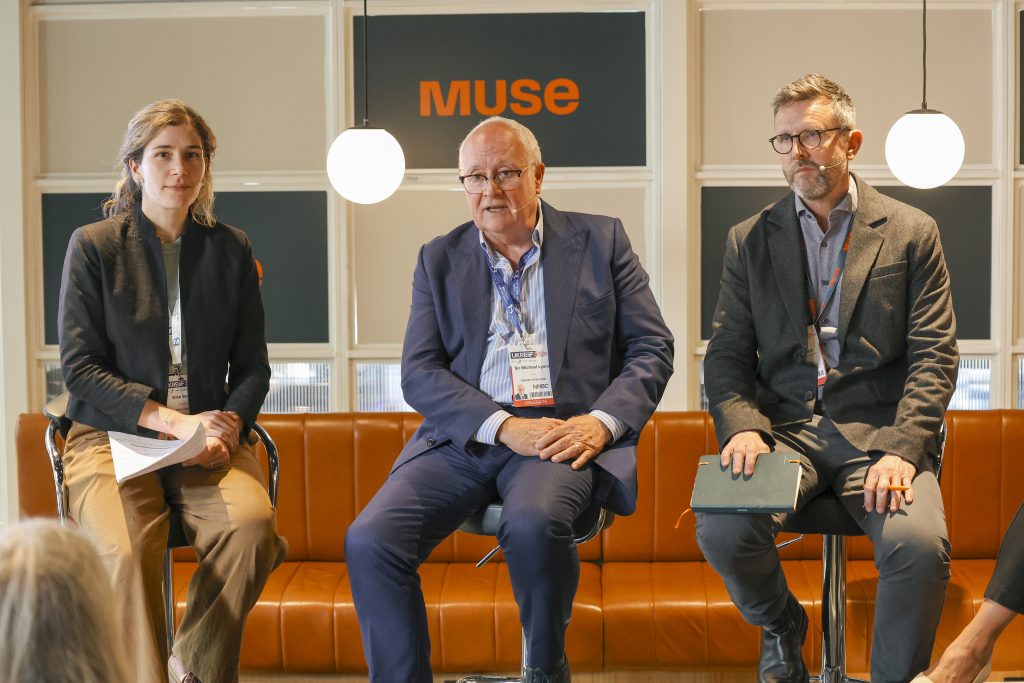
Elise Baudon, Managing Director - Prior & Parnters, Sir Michael Lyons, Chair - ECF, Duncan Cumberland, Director of Development Management - Muse
Communities at the heart of design
Every panel recognised the value of consultation that goes beyond planning requirements. Neighbourhoods shaped by the communities they serve are more resilient to political change, more attractive to long-term investors and more likely to deliver places people are proud to live in.
At Stroudley Walk, that meant co-designing homes with families of autistic children. At Hale Wharf, it meant asking not just how to build 505 homes on an isolated waterside island, but how to reconnect an entire community to a waterfront that had been inaccessible for decades. At Lambeth Civic Quarter in Brixton, it meant understanding whose history the development was working within, and honouring it.
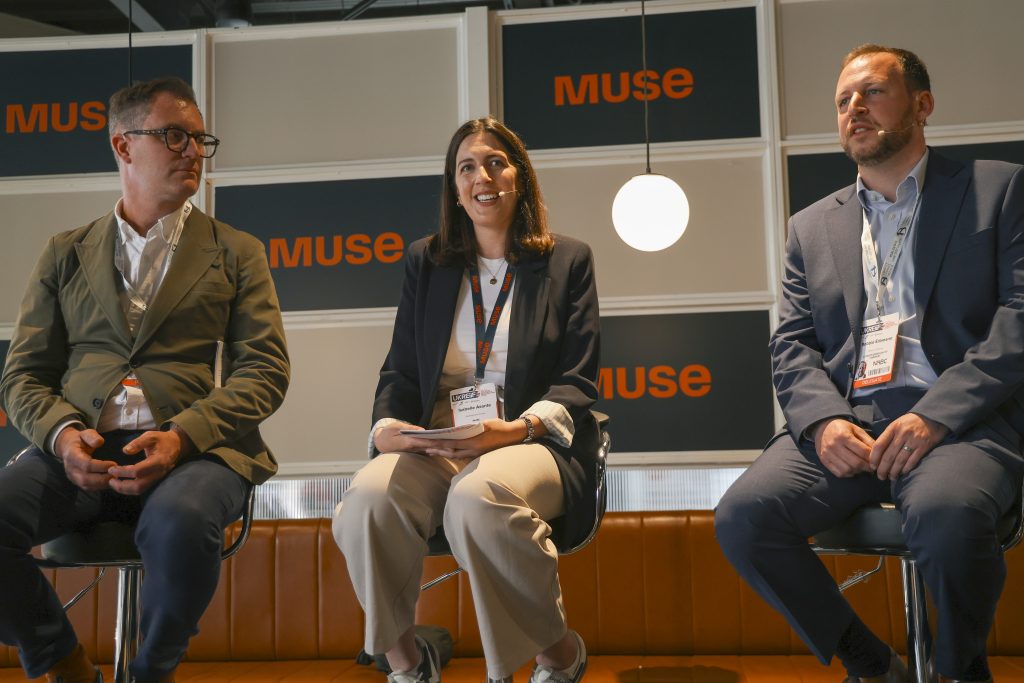
Matthew Morgan, Partner - Quality of Life Foundation, Isabelle Asante, Development Director - Muse, Robbie Erbmann, Director of Delivery - Haringey Council
Political change is a feature, not a barrier
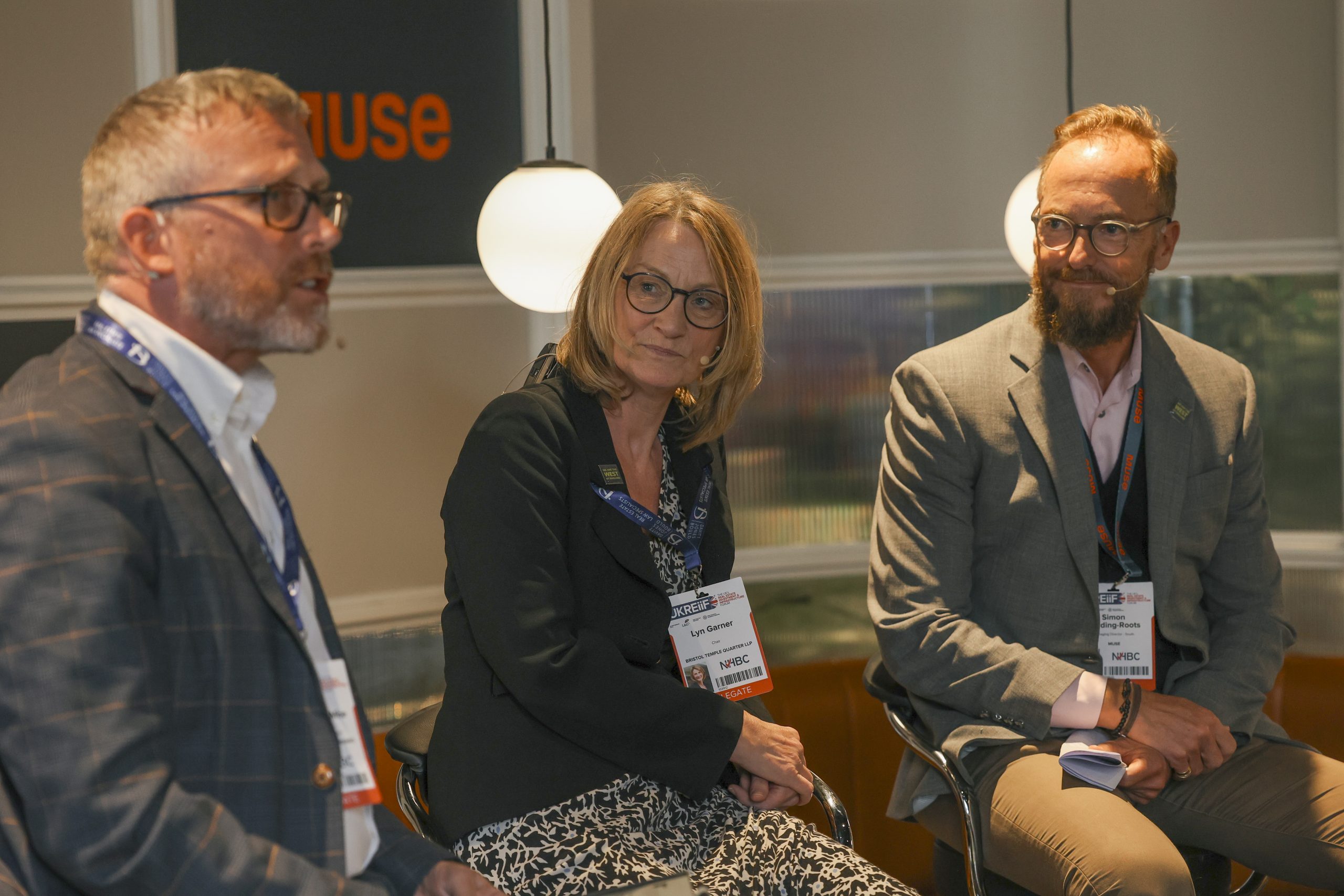
The local elections in the days before UKREiiF produced some of the most significant political shifts in London for a generation. The response to what impact this will have on development was consistent: regeneration programmes structured correctly from the outset do not become political footballs. When communities have shaped what is being built, programmes hold their momentum. Simon Harding-Roots made the same point during the discussion on Bristol Temple Quarter: twenty-five years is a long time. The partnerships Muse builds are designed to absorb political and economic change.
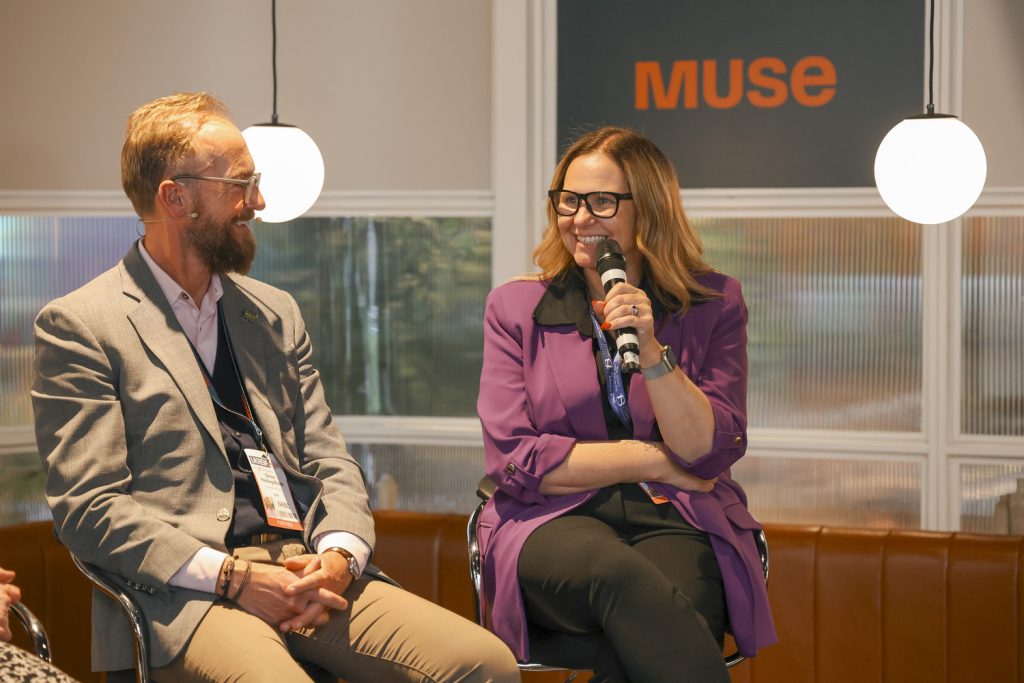
Simon Harding-Roots, Manging Director - Muse South, Mayor Helen Godwin - West of England
What we took away
Six panels, two days, hundreds of conversations. The conclusion from UKREiiF 2026 is that the UK has the tools, the capital and the partnerships to deliver the homes and places it needs. To continue to turn ambition into delivery, the policy and funding environment needs to reflect the real cost and the real value of doing this work properly.